The unveiling of the Kribi deep-water port 15 years ago sparked one of Africa’s most debated infrastructure projects. Once a sleepy fishing hamlet, Mboro has been thrust into the spotlight as a symbol of Cameroon’s economic ambitions and public scrutiny over foreign-led development. Today, local reactions remain deeply divided between admiration for newfound opportunities and concerns over long-term sustainability.
The transformation of Mboro: from sand and reefs to industrial promise
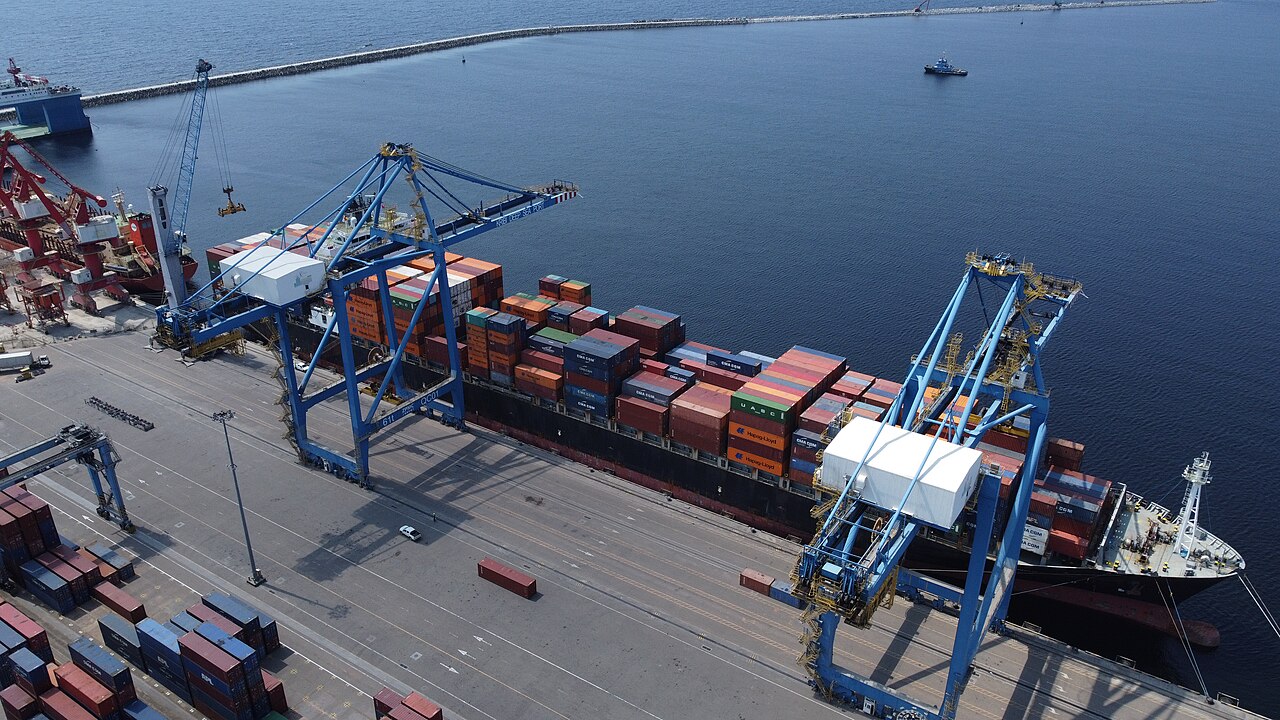
Fifteen years ago, Mboro was little more than a cluster of huts clinging to the southern Cameroonian coast, accessible only by winding dirt paths. Today, it anchors one of Central Africa’s most advanced deep-water ports—a $700 million Chinese-engineered gateway that has ignited fierce debate across the continent.
Gu Gaobai, who arrived in 2011 as part of the Chinese Harbour Engineering Company (CHEC) team, still remembers the site’s barren landscape. “We saw only sand, reefs, and the vast ocean. There were no roads, no buildings—just nature deciding the port’s location,” he recalled. In just over a decade, those same shores now host 455 hectares of operational port facilities, a four-lane highway, and a burgeoning skyline of warehouses, hospitals, and shopping centers.
Voices from the ground: pride, progress, and lingering questions
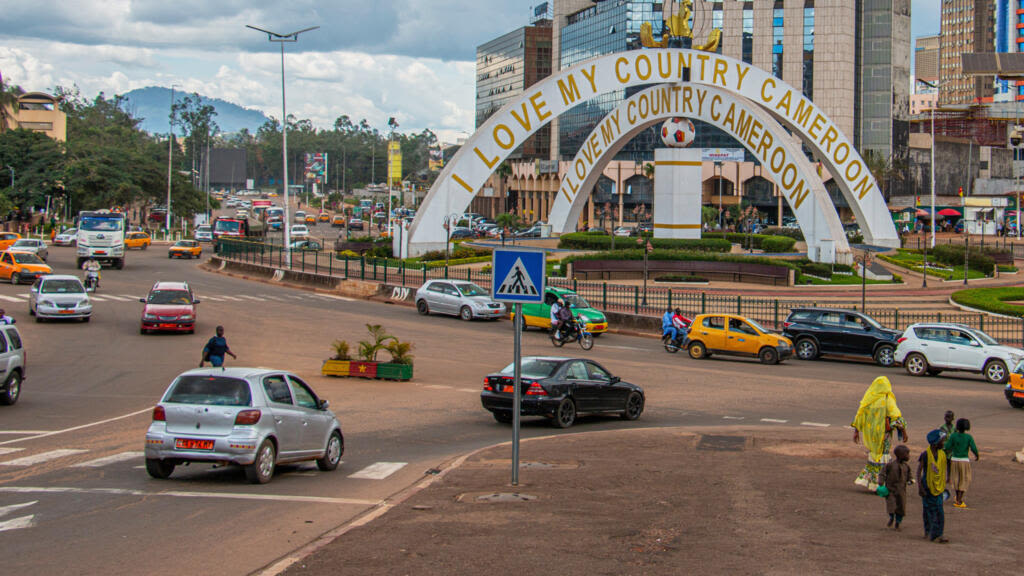
For longtime residents like Jean-Kalvin Assembe, the changes have been life-altering. “Kribi feels like a city of the future,” he said. “My children now have schools and hospitals nearby. Even the smallest shops in my neighborhood see steady customers every day.” Yet not all reactions are celebratory. Critics point to uneven job distribution and environmental strains on coastal ecosystems, demanding clearer policies for local participation.
Drivers redefine commercial horizons
Long-haul trucker Yaya Aboubakar, who has crisscrossed Central Africa for decades, frames the port’s impact differently. “Before Kribi, transporting goods meant days of delays. Now, my trips are shorter, and payments arrive faster,” he shared. His perspective underscores how the port has redefined trade flows—yet questions persist about equitable access for smaller Cameroonian businesses.
Kribi Port Zone: a bet on industrialization amid skepticism
Officials tout the port’s 4,000-hectare industrial zone as proof of Cameroon’s economic leap. According to Patrick Mpila Ayissi, infrastructure chief for the zone, $900 million in investments and 50,000 direct jobs are anticipated over the next 15 years. “From 555,000 TEUs in container traffic in 2018 to over 12.7 million tons of cargo in 2024, the numbers speak for themselves,” he stated.
Yet skeptics note that only 18 companies currently operate in the zone, with foreign firms dominating. “We need to see more Cameroonian entrepreneurs at the helm,” argued Patrice Melom, director-general of the Kribi Port Authority. “Foreign partnerships must empower local industries, not replace them.”
Skills for the future: training or temporary gains?
Since 2013, CHEC has trained over 2,000 Cameroonian workers, with veterans like Ngatugirius Ndenya transforming from welders to supervisors. “Before Kribi, I worked on basic platforms. Now, I handle every step of shipyard welding projects,” he said proudly. Still, critics argue such programs often lead to short-term roles with limited upward mobility for locals.
From wages to wealth: lasting change?
Armand Guehoada’s story encapsulates the debate. Starting with a $1,500 monthly salary in 2011, he now owns three vehicles and supports his family. “I can afford school fees, medicine, and a house,” he said. Yet economists caution that without structured entrepreneurship policies, such individual success stories may not translate into broader community prosperity.
Regional ripple effects: trade flows and geopolitical stakes
Kribi’s rise has drawn neighbors into a complex web of opportunity and dependency. The port now serves Gabon, Chad, Equatorial Guinea, and the Central African Republic, with MSC shipping lines expanding routes. “Regional integration is no longer theoretical—it’s happening here,” stated Emmanuel Nganou Djoumessi, Cameroon’s public works minister. Yet analysts warn that over-reliance on foreign capital may leave Cameroon vulnerable to shifting global tides.
Looking ahead: can Kribi deliver on its promise?
As both Cameroon and China celebrate 55 years of diplomatic ties, Kribi remains a litmus test for Africa’s infrastructure ambitions. Melom envisions the port as “a catalyst for sustainable growth,” but insists the path forward demands transparent governance and inclusive policies. For residents like Assembe, optimism battles with caution: “We have new roads and schools, but will our children have stable jobs? That’s the question we’re still asking.”
One thing is certain: Kribi’s story continues to unfold, its true legacy yet to be written in the ledgers of Africa’s economic future.