Civilian massacres linked to counterinsurgency operations in central Mali
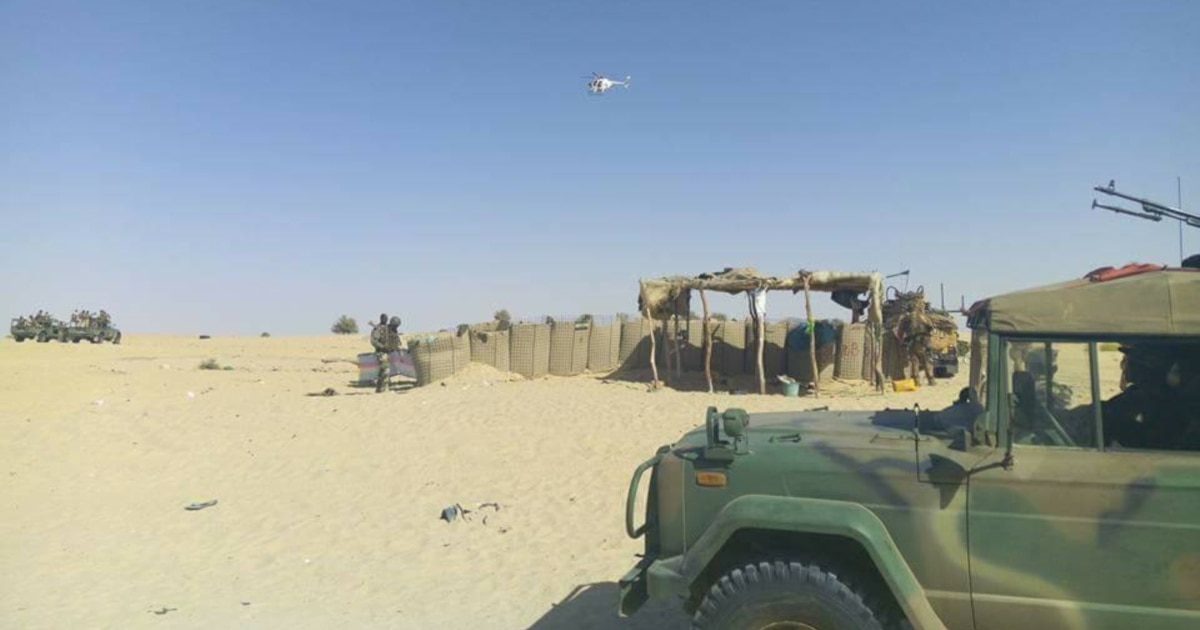
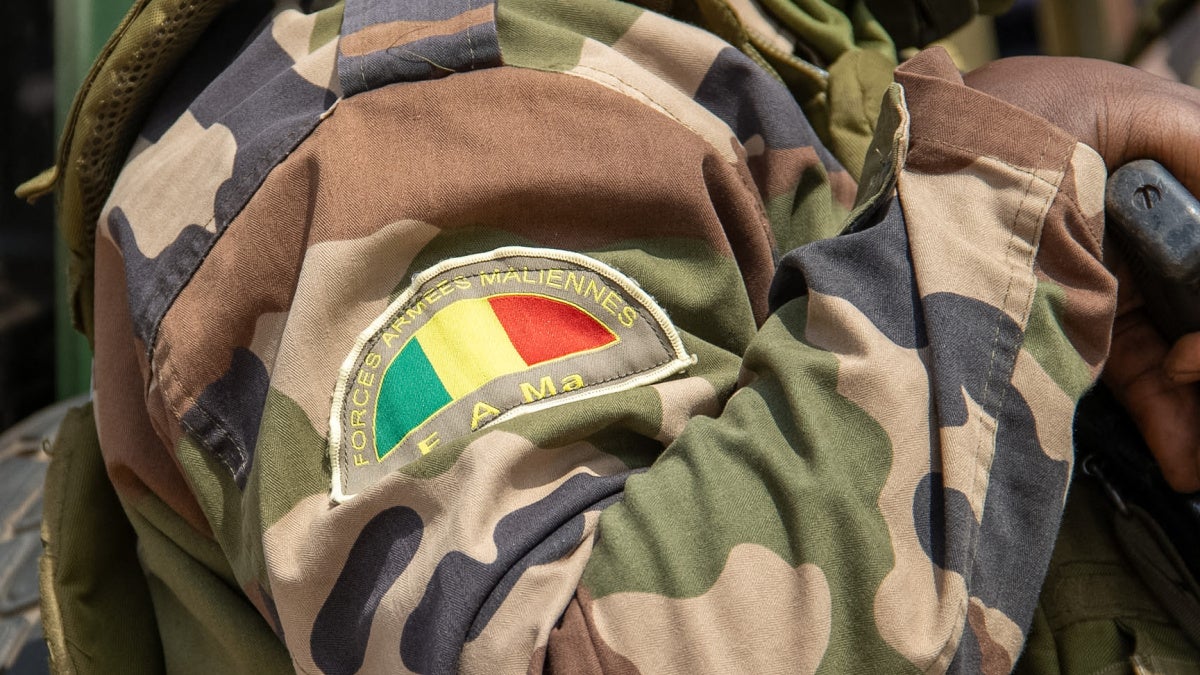
Soldiers of the Malian Armed Forces and allied militias have been accused of executing at least 31 civilians and burning homes during two separate raids in the Ségou region in early October. The attacks targeted villages under the control of the Group for the Support of Islam and Muslims (Jama’at Nusrat al-Islam wal-Muslimeen, JNIM), an Al-Qaeda-affiliated group operating in central Mali.
On October 2, military units accompanied by dozos—traditional hunters from the Bambara ethnic group who have collaborated with the army for a decade—entered the village of Kamona. Witnesses reported that soldiers and militiamen rounded up local men, accusing them of collaborating with JNIM. At least 21 men were summarily executed, and 10 homes were set ablaze. Survivors described how those unable to flee were gathered and shot. A 40-year-old shepherd recounted finding 17 bodies under a tree, including one with a crushed skull, and bullet casings scattered nearby.
Witnesses confirmed that JNIM fighters had warned residents of the army’s advance, prompting many to flee. No direct clashes between the army and militants were reported in Kamona. Locals believe the killings were retaliation for recent JNIM attacks in the area, including an assault on the Siribala sugar factory in August.
On October 13, a second raid targeted the village of Balle, about 55 kilometers from Kamona. Soldiers in five pickup trucks and dozos on at least 30 motorcycles stormed the village, forcing some residents to flee. Survivors described soldiers going door-to-door, assaulting men and opening fire. Ten civilians, including a 55-year-old woman, were killed, and over 100 cattle were stolen. A 33-year-old resident found the bodies of the victims scattered in the village center, some with broken limbs.
The woman’s daughter, aged 21, recounted how her mother confronted the soldiers, accusing them of abuse, before being dragged away and shot. Residents of Balle, which has been under JNIM control for years, explained that they pay Islamic taxes to the group and rely on its courts for dispute resolution, as government forces are absent.
International law violations and accountability gaps
Both incidents violate international humanitarian law, which prohibits attacks on civilians, extrajudicial killings, and collective punishment. The Malian military has not responded to requests for comment, and no investigations into the killings have been publicly announced. The army’s chief of staff previously claimed the October 13 operation in Balle resulted in the neutralization of “around 20 terrorists” and the seizure of military equipment, though witnesses deny any armed confrontation.
Since 2012, Mali’s conflict has displaced over 400,000 people and claimed thousands of civilian lives. Human rights organizations have documented abuses by both government forces and armed groups, including JNIM. The recent siege of Bamako by JNIM in September disrupted fuel supplies and forced the closure of schools nationwide.
While Mali withdrew from the International Criminal Court (ICC) in September, it remains bound by the Rome Statute until 2026. The ICC opened an investigation into alleged war crimes in Mali in 2013. The African Union’s Peace and Security Council has yet to take meaningful action beyond issuing statements of concern.
Calls for justice and regional intervention
Human rights advocates urge Mali’s authorities to conduct transparent investigations and hold perpetrators accountable. The African Union has been criticized for its inaction despite the escalating crisis. Analysts stress the need for coordinated regional and international efforts to address impunity and protect civilians in central Mali.