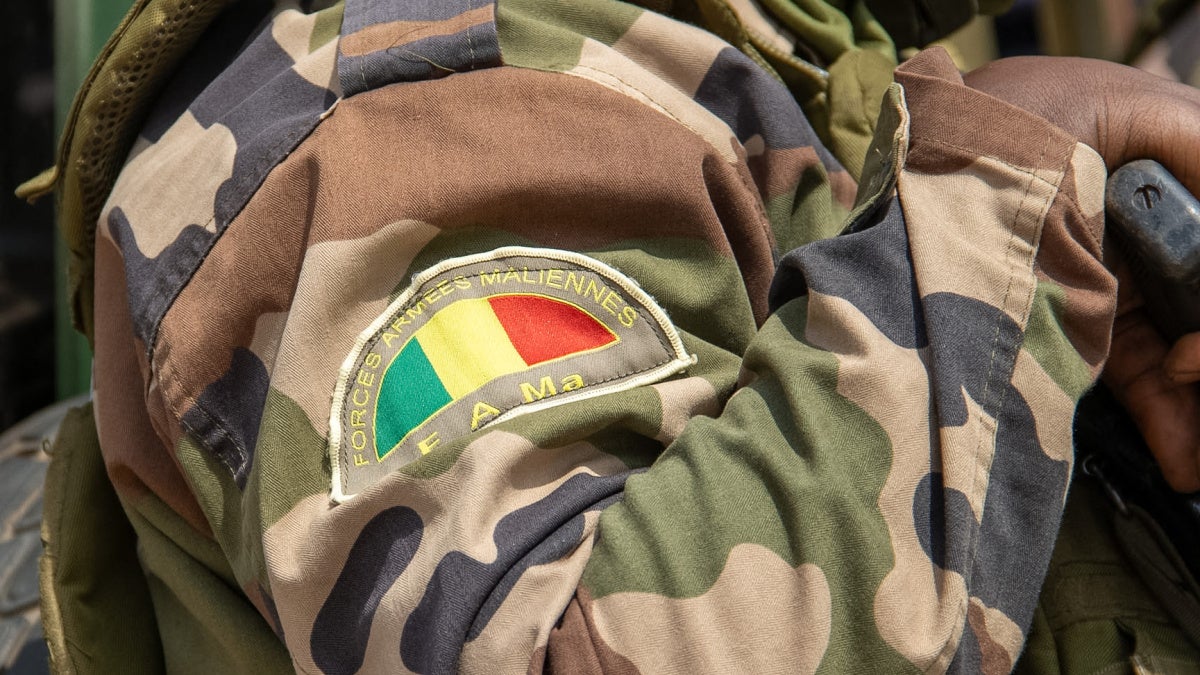
In the heart of central Mali, two villages in the Ségou region have become the latest sites of horrific violence. On October 2 and 13, soldiers from the Malian Armed Forces and allied militias carried out coordinated attacks, resulting in the deaths of at least 31 civilians and the destruction of homes.
Deadly raids in Kamona and Balle
On October 2, Malian troops and Dozos militiamen—traditionally clad in distinctive attire and amulets—arrived in Kamona around 10 a.m. in seven pick-ups and three armored vehicles, accompanied by motorized militiamen. The attackers, who accused residents of collaborating with the Group for the Support of Islam and Muslims (GSIM), a Jama’at Nusrat al-Islam wal Muslimeen affiliate linked to Al-Qaeda, targeted men in the village. Many residents had already fled after receiving warnings from GSIM fighters, but those who remained were rounded up and executed.
Witnesses reported finding 17 bodies under a tree and four others north of Kamona. The soldiers set fire to at least 10 huts and three storage buildings belonging to Fulani residents. A 40-year-old shepherd, who had hidden with his 9-year-old daughter, described the scene: “The bodies were riddled with bullets, and one had a completely crushed skull. Spent casings littered the ground.”
The following day, villagers compiled a list of 21 male victims, aged 20 to 65. Some residents claimed additional men had been killed in the surrounding bush, though they dared not verify the numbers out of fear of further violence.
Balle’s tragedy: executions and looting
On October 13, Malian troops and Dozos launched another attack, this time in Balle, located 55 kilometers from Kamona. Around 1 p.m., soldiers in five pick-ups and militiamen on at least 30 motorcycles stormed the village. Some residents fled immediately, while others witnessed soldiers going door-to-door, assaulting men and firing indiscriminately.
Ten civilians were killed, including a 55-year-old woman. The attackers also stole over 100 cattle. A 33-year-old man recounted finding the bodies scattered in the village center: “They lay side by side, riddled with bullets. Some had broken limbs.”
The woman’s 21-year-old daughter described how her mother confronted the soldiers, accusing them of mistreating villagers. “She approached them, and they dragged her to where the men were gathered before shooting her,” she said.
Military denies responsibility amid escalating tensions
The Malian Armed Forces Chief of Staff issued a statement on October 14, claiming a “reconnaissance operation” near Balle had resulted in the “neutralization of around twenty terrorists” and the seizure of military equipment. However, residents disputed this narrative, stating that Balle had been under GSIM control for years. “We pay zakat to them annually,” one villager explained. “They settle disputes, and there are no soldiers or police here. The army doesn’t distinguish between us and them.”
The recent attacks followed a surge in GSIM operations in the Ségou region, including an assault on the Siribala sugar factory in August. The violence has exacerbated Mali’s deepening crisis, with over 400,000 people displaced since 2012.
Calls for accountability and justice
International humanitarian law prohibits attacks on civilians and the killing or torture of detainees. Those responsible for war crimes may face prosecution under the Rome Statute, to which Mali remains bound until September 2026, despite its withdrawal from the International Criminal Court (ICC).
Human rights advocates have criticized the African Union’s (AU) limited response to the crisis. Ilaria Allegrozzi, a Senior Sahel Researcher, urged the AU’s Peace and Security Council to prioritize the conflict: “It must hold regular briefings, strengthen diplomatic efforts, and coordinate regional and international actions to ensure accountability for abuses by all parties.”