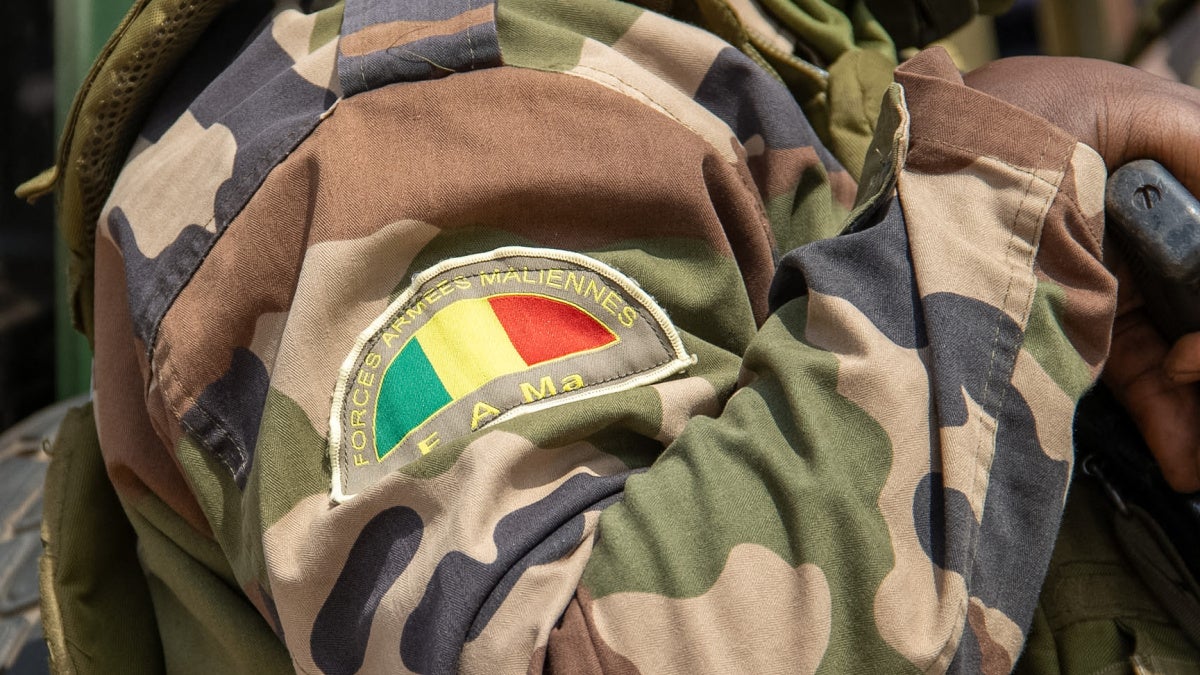
In the volatile heart of Mali, soldiers and allied Dozos militiamen stand accused of executing at least 31 civilians and torching homes during raids in two villages within the conflict-stricken Ségou region on October 2 and 13.
The first incident unfolded in Kamona on October 2, where uniformed troops—operating alongside Dozos, traditional hunters largely from the Bambara ethnic group—allegedly stormed the settlement in seven pickup trucks and three armored vehicles, joined by Dozos on motorcycles. Villagers reported that Jama’at Nusrat al-Islam wal Muslimeen (JNIM), the Al-Qaeda-affiliated insurgent group, had warned of the approaching force, triggering mass evacuations. Those unable to flee were reportedly gathered and summarily killed. At least 10 homes were set ablaze, and 21 men perished, all aged between 20 and 65. Survivors described discovering 17 bullet-riddled bodies beneath a tree and four more scattered north of the village. A local shepherd recounted fleeing with his nine-year-old daughter, only to return hours later to find the victims, their bodies mutilated and ammunition casings scattered nearby.
Witnesses confirmed that JNIM fighters had vacated the area prior to the military’s arrival, with no direct clashes reported. A community leader later shared a list of the deceased, though villagers claimed another 15 men may have been killed in nearby bushland—too dangerous to verify. The Peul ethnic group’s huts and storage sheds were deliberately burned, according to accounts.
On October 13, a second assault targeted Balle, 55 kilometers from Kamona. Five pickup trucks carrying soldiers and at least 30 motorcycles bearing Dozos descended on the village. A 24-year-old resident described soldiers conducting door-to-door searches, assaulting men, and opening fire. The toll: 10 civilians dead, including a 55-year-old woman, and over 100 cattle stolen. A 33-year-old man recounted finding the bodies strewn across the village center, some with broken limbs. The woman’s daughter tearfully described her mother’s final moments—pleading with soldiers before being gunned down alongside the men.
Military officials, in an October 14 statement, claimed the operation in Balle had resulted in the “neutralization” of “around twenty terrorists” and the seizure of weapons. Yet residents refuted this, stating Balle had been under JNIM control for years, with disputes resolved under Islamic law. “We pay the zakat every year,” one villager explained. “The army doesn’t distinguish between us and them.”
The bloodshed follows a surge in JNIM attacks near Bamako, including a siege on the Siribala sugar refinery in August that cut off fuel supplies to the capital. In response, authorities shuttered schools and universities nationwide. International humanitarian law strictly prohibits targeting civilians, executing detainees, or committing acts of cruelty—clear violations if confirmed. While Mali withdrew from the International Criminal Court (ICC) in September, it remains bound by the Rome Statute’s obligations until 2026, with an ongoing ICC investigation into alleged war crimes since 2012.
The African Union’s Peace and Security Council has faced criticism for its muted response to Mali’s escalating crisis. Analysts urge urgent action, including high-level briefings and coordinated regional efforts to hold all parties accountable for atrocities.