Alleged atrocities by Malian forces and allied militias in Ségou region
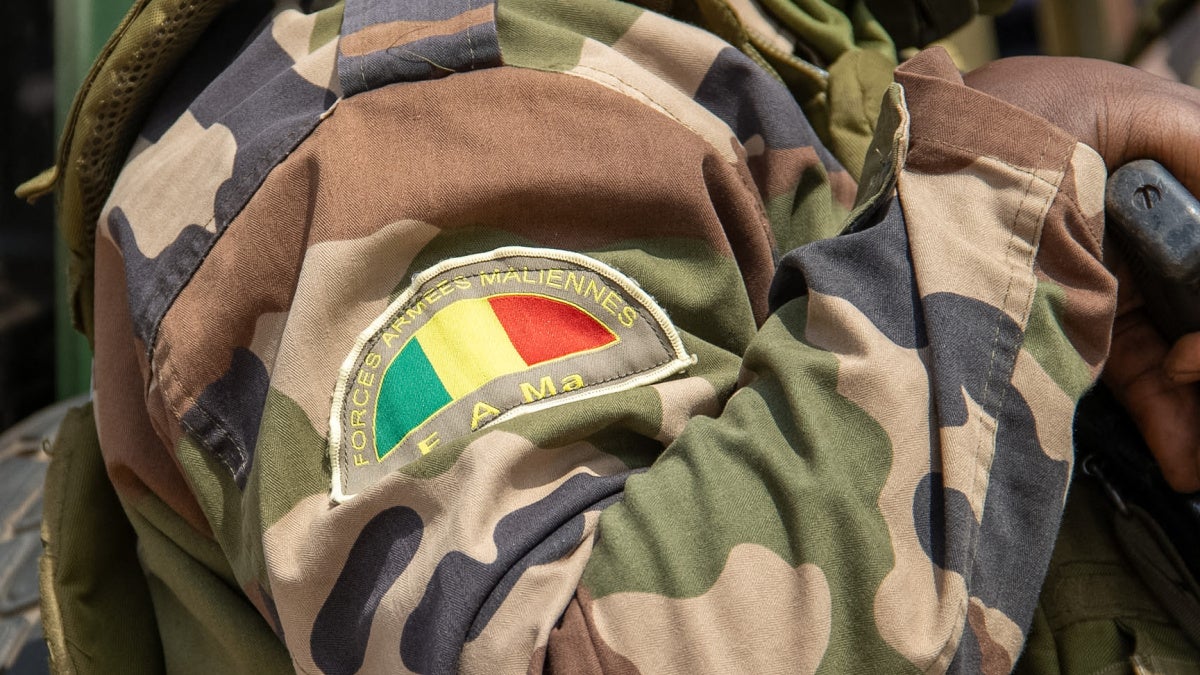
Nairobi – Armed forces of Mali and allied militias have been implicated in the deaths of at least 31 civilians and the burning of homes during operations conducted on October 2 and 13 in two villages within the conflict-stricken Ségou region, according to investigations.
On October 2, soldiers and Dozos militiamen, predominantly from the Bambara ethnic group who have participated in counterinsurgency efforts for over a decade, entered Kamona village. Witnesses reported that they executed at least 21 men and set fire to at least 10 homes. The Dozos, identifiable by their traditional attire and protective amulets, are known for their controversial role in security operations across central Mali.
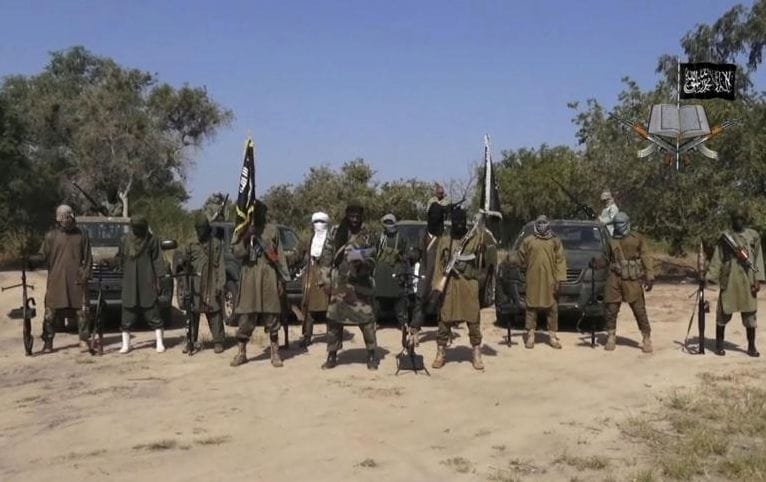
Residents recounted that the Group for the Support of Islam and Muslims (GSIM), an Al-Qaeda-affiliated jihadist group operating in the area, had warned villagers of the approaching military forces. Many fled, but those who remained were systematically killed. No clashes between the military and GSIM were reported during the operation.
« The October massacres in Ségou are merely the latest atrocities attributed to the Malian army and its allied militias, » said a senior Sahel researcher. « Authorities must conduct credible, impartial investigations and hold those responsible to account in fair trials. »
Two villages, two days of violence
In Kamona, survivors described how soldiers and militiamen gathered men before executing them. A 40-year-old shepherd, who hid with his 9-year-old daughter, later discovered 17 bodies under a tree. « People had been riddled with bullets, » he stated. « One victim’s head was completely shattered. Spent bullet casings littered the ground. »
Local leaders compiled a list of 21 male victims aged 20 to 65. Villagers also reported hearing of at least 15 additional men killed in nearby bushland, though they dared not investigate further due to fear of returning soldiers. Fourteen homes were destroyed in the attack.
On October 13, a similar operation unfolded in Balle, a village approximately 55 kilometers from Kamona. Soldiers in five pickup trucks and Dozos on at least 30 motorcycles arrived around 1 p.m., prompting some residents to flee. Those who stayed witnessed soldiers conducting door-to-door searches, assaulting men, and ultimately killing nine men and one woman aged 22 to 67. Over 100 cattle were also stolen.
A 33-year-old man recounted finding the 10 bodies in the village center. « They lay side by side, riddled with bullets, » he said. « Some had broken limbs. » The daughter of the female victim, aged 21, described how her mother confronted the soldiers, accusing them of abuse before being executed.
Villagers in Balle have lived under GSIM control for years, paying Islamic taxes and relying on jihadist authorities to resolve disputes. « The army doesn’t distinguish between us and them, » one resident explained. « They assume everyone here is a GSIM fighter. »
Accountability and international response
Since 2012, Mali’s successive governments have waged armed conflicts against various Islamist armed groups, resulting in thousands of civilian deaths and displacing over 402,000 people. Both state forces and allied militias, as well as jihadist groups like GSIM, have been documented committing grave abuses.
In response to the escalating violence, Malian authorities claimed the October 13 operation in Balle was a « reconnaissance offensive » that « neutralized around twenty terrorists » and seized military equipment. However, residents and witnesses refuted these claims, stating Balle had been under GSIM control for years with no state presence.
Mali’s withdrawal from the International Criminal Court (ICC) in September does not absolve it of obligations under the Rome Statute until September 2026. The ICC has investigated alleged war crimes in Mali since 2012. Meanwhile, the African Union has faced criticism for its limited action amid the deteriorating security situation. Analysts urge the AU’s Peace and Security Council to prioritize Mali, enhance diplomatic efforts, and coordinate regional actions to ensure accountability for abuses by all parties.
The Geneva Conventions and customary laws of war prohibit attacks on civilians, executions, and cruel treatment. Violations with criminal intent may constitute war crimes, for which commanders and perpetrators can be prosecuted.