
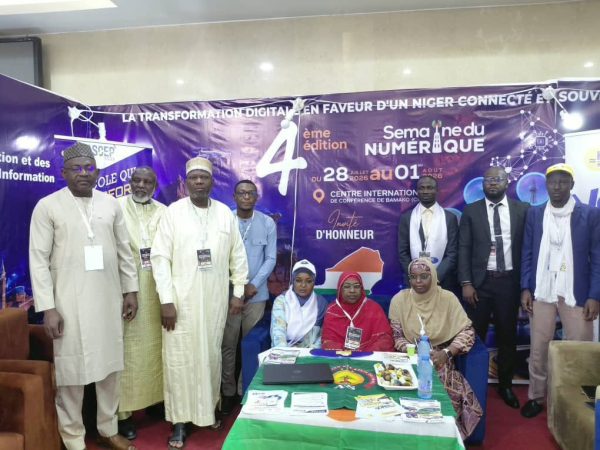
BAMAKO, 31 JULY 2026 — Digital transformation is reshaping the Sahel’s economic and administrative landscape, and Niger is stepping into the spotlight at Mali’s fourth National Digital Week (SENUMA). Running from 28 July to 1 August 2026, the event has drawn delegates from across the region to explore the future of governance, business, and public services.
The theme, “The digital ecosystem in Mali: status, challenges, and opportunities for successful digital transformation,” frames discussions on how governments, private enterprises, and citizens can harness technology to drive progress.
Niger’s participation goes beyond symbolic representation. Within the framework of the Alliance of Sahel States (AES), both Niger and Mali are prioritising digital cooperation as a cornerstone of national sovereignty and development. By sharing expertise, the two nations aim to build resilient, self-reliant digital infrastructures that can withstand regional pressures.
Multi-sector delegation highlights regional commitment
Niger joins Mali’s event as a guest of honour, alongside Burkina Faso. The Nigerien delegation comprises key institutions at the forefront of the country’s digital agenda: the Ministry of Communication and Digital Technologies, the National Agency for Information Society (ANSI), the Regulatory Authority for Electronic Communications and Post (ARCEP), Niger Poste, and the National School of Electronic Communications and Post (ESCEP-Niger).
This broad representation underscores the cross-cutting nature of digital development, uniting regulators, educators, and service providers under one shared mission: to advance the digital agenda for the benefit of all.
Exchange of expertise strengthens Sahelian digital strategies
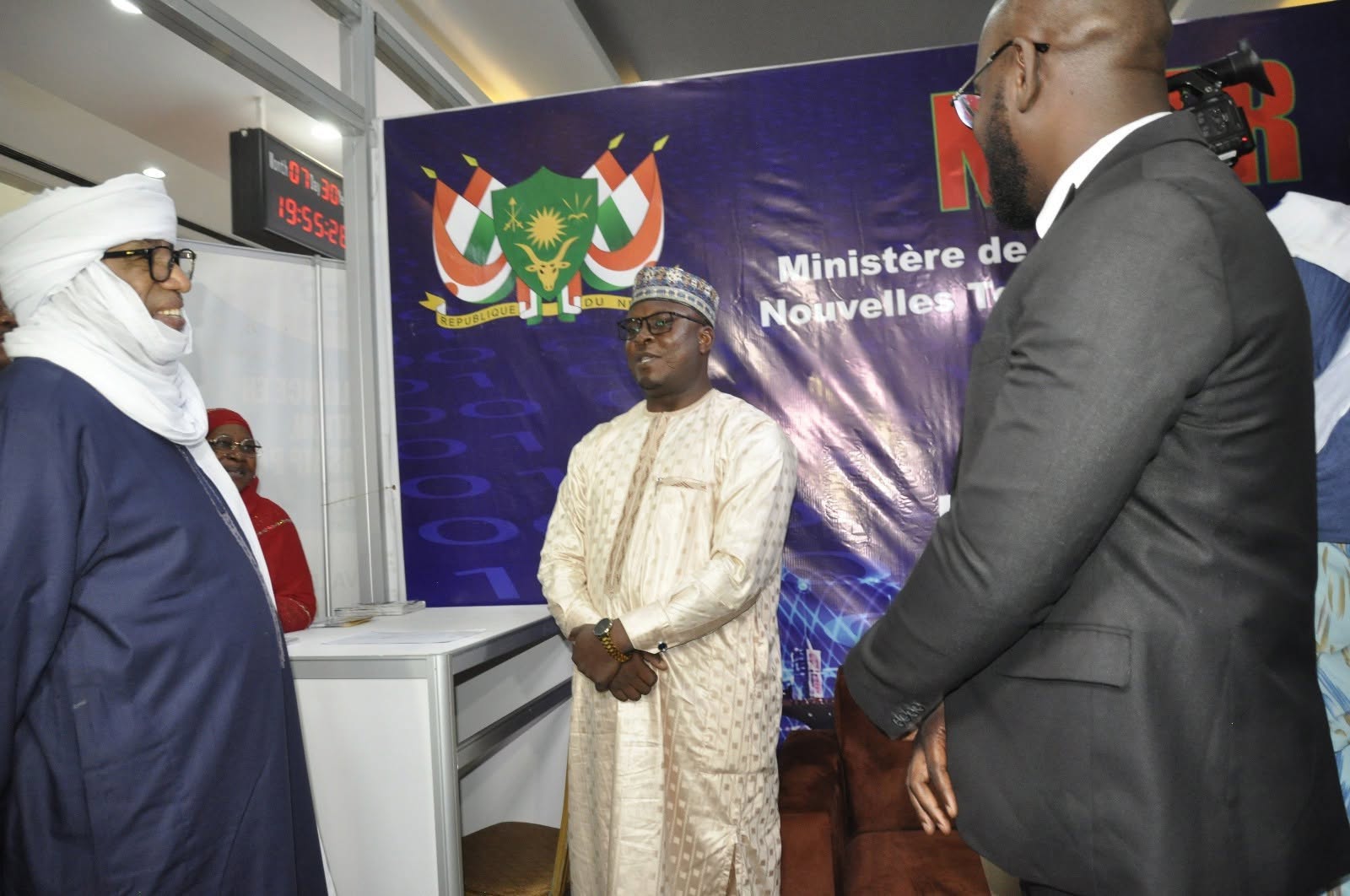
During the sessions, Niger and its Sahelian partners are comparing digital strategies shaped by shared challenges: economic constraints, administrative hurdles, and security concerns. In this context, digital tools are no longer optional—they are essential enablers of state resilience and citizen empowerment.
The exchange in Bamako is fostering regional alignment, allowing participants to harmonise best practices, upgrade skills, and co-develop solutions that reflect the realities of AES member states. For Niger, the forum is also an opportunity to showcase its own progress and learn from Mali’s most advanced initiatives.
Towards deeper digital collaboration in the Sahel
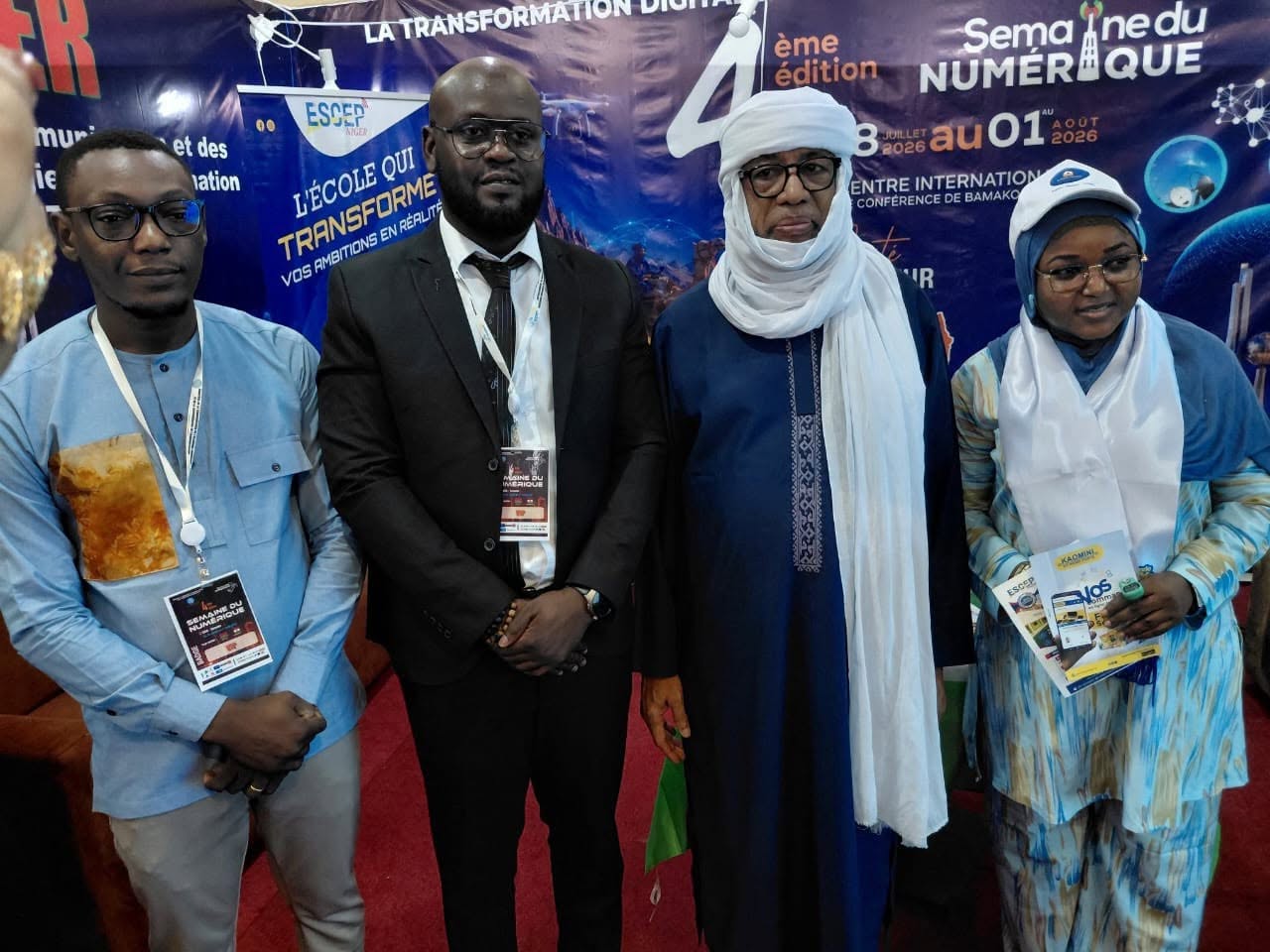
As the Sahel’s governments intensify efforts to strengthen their technological independence, the stakes are clear: digital innovation must translate into tangible benefits for public administration, private enterprise, and ordinary citizens alike. The SENUMA 2026 platform is designed to turn those ambitions into actionable plans.
Niger is leveraging its presence to deepen regional partnerships and advocate for digital transformation models that are both inclusive and adaptive. When the curtains fall on 1 August, the exchanges in Bamako will have set the stage for a new phase of Sahel-wide digital cooperation, rooted in shared challenges and collective progress.
Digital sovereignty at the heart of Sahelian progress
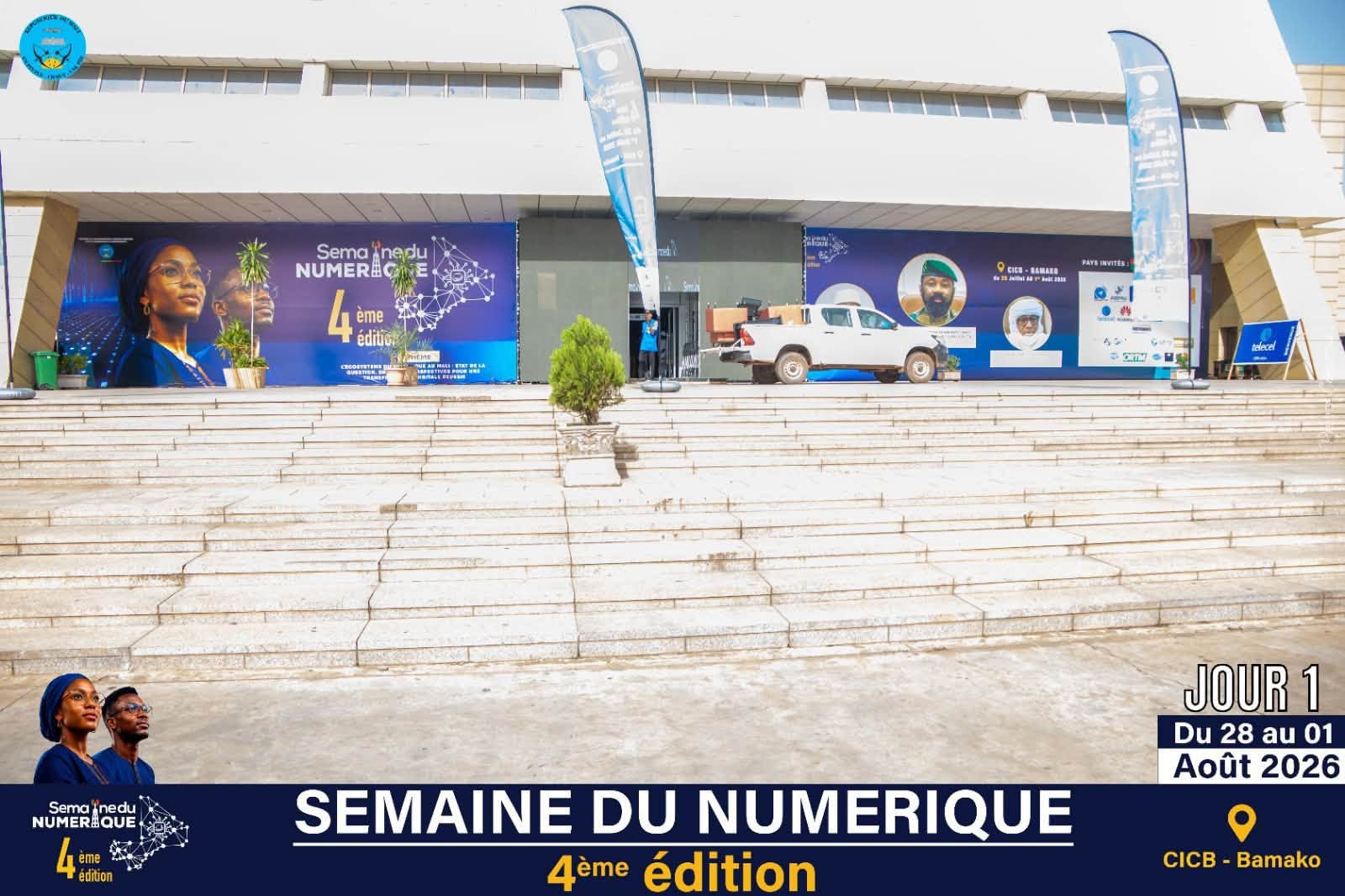
Digital sovereignty is becoming a defining priority for Sahelian states as they navigate a complex geopolitical and economic environment. By pooling expertise and resources, Niger, Mali, and their AES partners are redefining what it means to build resilient, future-ready digital ecosystems.
The conversations in Bamako are more than academic—they are laying the groundwork for practical, home-grown solutions that can drive sustainable growth across the region.

More Stories
Free digital skills training in Togo: launch your tech career by 2026
Atlanta e-sinistre la nouvelle plateforme digitale d’Atlanta Assurance Côte d’Ivoire
Senegal unveils its AI factory at Tokyo’s global stage