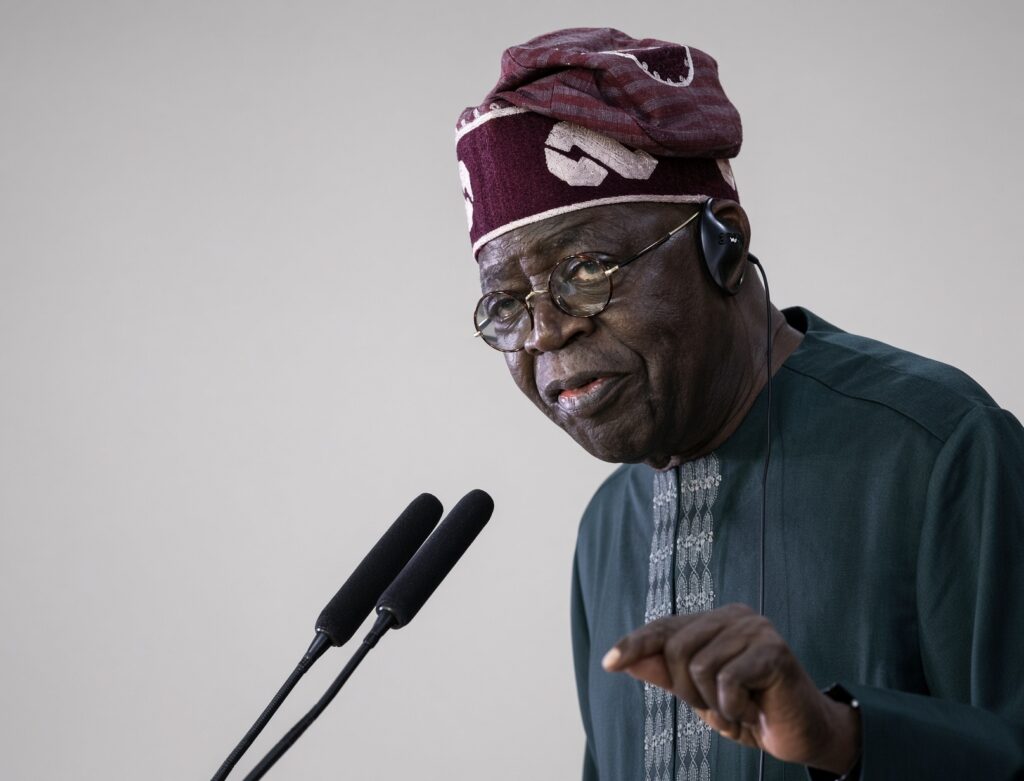
As Nigeria moves closer to its next presidential election, the safety of the ballot has become the single most debated issue across the country. Citizens, business owners and international observers are all asking the same question: will polling day be peaceful, or will the vote be overshadowed by violence, fraud and insecurity in several regions? Against that backdrop, the top brass of the Nigeria Police Force (NPF), operating under President Bola Ahmed Tinubu, has gone on a charm offensive, issuing a steady stream of reassuring statements.
Why ordinary Nigerians are watching the police more closely than ever
The stakes could hardly be higher for everyday people. A chaotic or disputed election would not only undermine the democratic process but also hit traders, transporters and small businesses that depend on stability to operate. Insecurity on the roads, threats at polling units and the fear of intimidation have, in past cycles, kept many voters at home and disrupted economic activity in entire communities. This time, the police insist things will be different.
A pledge of strict impartiality
The Inspector-General of Police, Olatunji Disu, and his regional commands have publicly committed to delivering a poll that is “free, fair and transparent”. Mindful of longstanding accusations that officers have favoured the ruling party or turned a blind eye to abuses, the force leadership now promises that its personnel will remain strictly neutral from the campaign trail all the way through to the counting of ballots. An internal audit mechanism, overseen by police spokesperson DCP Anthony Placid, has been announced, alongside the threat of tough disciplinary measures for any officer who fails to uphold impartiality.
A bigger footprint on the ground — and what it means for communities
To calm the vote in a vast country criss-crossed by pockets of instability — banditry in the North-West, jihadist insurgency in the North-East and separatist or criminal tensions in the South-East — the police are promising:
- A heavy presence around polling units: an exceptional mobilisation of officers to prevent ballot stuffing, theft of electoral material and voter intimidation, which in turn should allow more people to cast their ballots without fear.
- More mobile patrols: securing major highways and strategic collation centres, a move that could reduce disruption to transport and commerce on election day.
- Joint operations with other agencies: closer coordination with the armed forces led by the Chief of Army Staff, General Waidi Shaibu, the Nigeria Security and Civil Defence Corps (NSCDC) and intelligence services directed by National Security Adviser Nuhu Ribadu to lock down high-risk areas.
Technology, surveillance and a crackdown on vote-buying
The NPF is also keen to project an image of modernisation. With the Minister of Police Affairs, Ibrahim Gaidam, pushing the agenda, the authorities promise to deploy digital surveillance tools and boost operational intelligence to dismantle vote-buying networks — a practice that has marred previous elections and distorted results in favour of those with deep pockets. Specialised anti-corruption units will be sent in to back up investigators. For voters, the hope is that a cleaner process will produce leaders who genuinely reflect their choices, while for businesses, a credible election could restore confidence in an economy that has often been shaken by political uncertainty.
Public hope versus deep scepticism
These solemn commitments are intended to rebuild trust in state institutions. Yet civil society groups and opposition leaders remain wary. They argue that the true test will be on the ground, where the security environment is highly volatile and where promises have historically struggled to translate into action. Observers stress that the credibility of the upcoming election will hinge largely on whether the police can protect every citizen who turns out to perform their civic duty — and on whether that protection holds up in the face of real-world pressures, from crowded markets to remote rural polling stations. Until then, Nigerians are left weighing the assurances of the force against the memories of past elections, well aware that the consequences of failure would be felt far beyond the ballot box.
More Stories
What Mali’s US-Russia balancing act means for citizens and the economy
Mali’s drone campaign: the human cost of 731 civilian deaths and a crisis of accountability
Benin’s online tax expansion: how Parakou, Comè and Lokossa businesses will feel the shift from 21 September 2026