Public sector wage reform in DRC sparks mixed reactions after union approval
Kinshasa, November 11, 2026 — After months of negotiations, the Intersyndicale Nationale de l’Administration Publique (INAP) has formally endorsed the Democratic Republic of Congo’s new public sector wage policy. But with celebrations muted, stakeholders now turn their attention to whether the government will follow through on its commitments.
What the union agreement means for Congolese civil servants
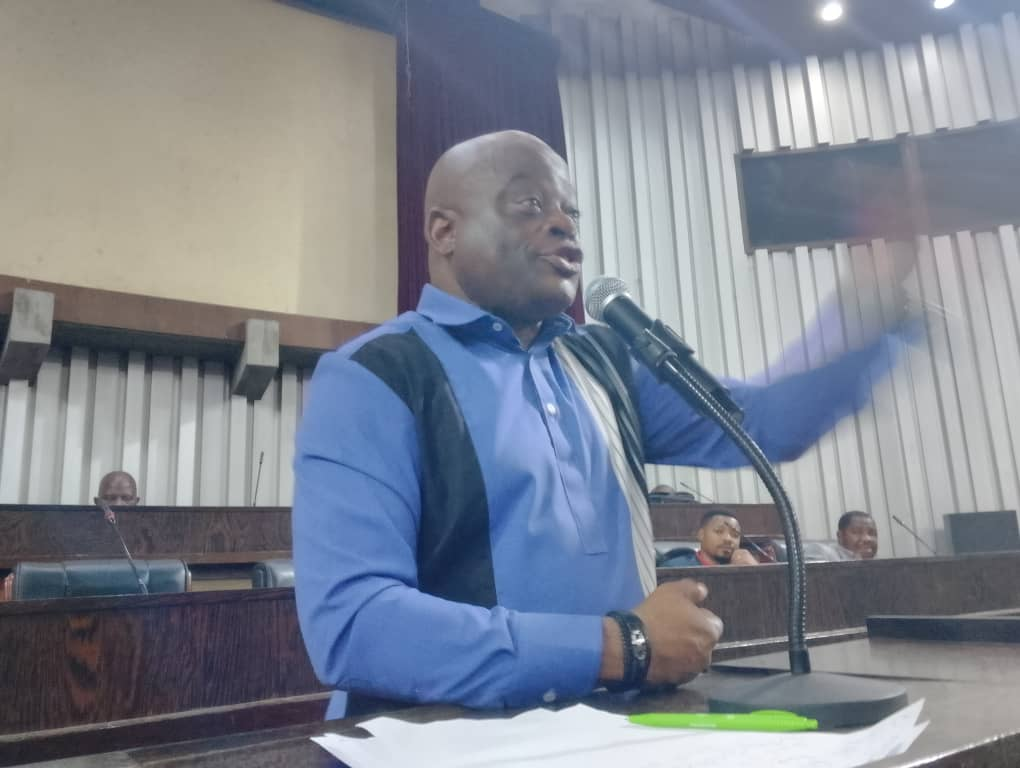
Speaking to delegates in Kinshasa, INAP president Fidèle Kiyangi confirmed that 600 union representatives from across central government ministries had validated the new salary framework. The accord, described as “just and equitable,” addresses long-standing grievances over wage disparities among civil servants, teachers, security forces, and elected officials.
Key benchmarks of the wage reform
- Target salary for junior officials: Minimum base salary for court ushers set to reach 800,000 Congolese francs within a decade, pending national budget growth to $100 billion
- Scope of coverage: Includes all public sector employees—from the President to entry-level staff, encompassing teachers, security personnel, and parliamentarians
- Gradual implementation: Requires legislative measures, including decrees and ministerial orders, to translate policy into practice
Government action now under scrutiny
While unions celebrate the breakthrough, concerns linger over implementation. Kiyangi emphasized the need for President Félix Tshisekedi to instruct government agencies to honor the agreement. “We are satisfied with the validation, but real progress depends on enforcement,” he noted.
Transparency and fiscal realism at the core
The reform places three priorities at its heart: fairness, transparency, and fiscal sustainability. Union leaders argue that the current system disproportionately benefits certain grades while leaving others behind—especially in education and public security. The new structure aims to correct these imbalances, ensuring that compensation reflects roles and responsibilities.
Looking ahead: Challenges and expectations
Public debate is intensifying as civil society groups and opposition figures weigh in. Critics question whether the government can sustain such increases amid fluctuating oil revenues and rising public debt. Supporters, however, see it as a step toward rebuilding trust in public service and reducing brain drain in essential sectors like health and education.
With legal frameworks yet to be adopted, the coming months will test the government’s resolve. Will the President’s directives translate into action? Can the administration deliver on promises without destabilizing macroeconomic stability? These questions are now driving the national conversation.