Libreville’s streetlight crisis: public outrage grows over urban renewal oversights
Libreville, November 12, 2026 — The dismantling of illegal structures in Libreville, while aimed at urban renewal, has triggered an unexpected crisis: the collapse of a critical streetlight network. Public reaction is fierce as residents and officials question the lack of foresight in these operations.
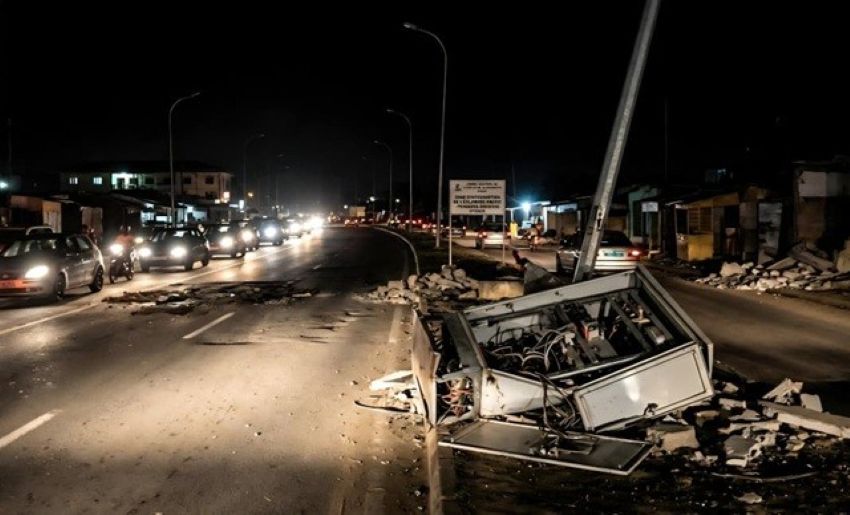
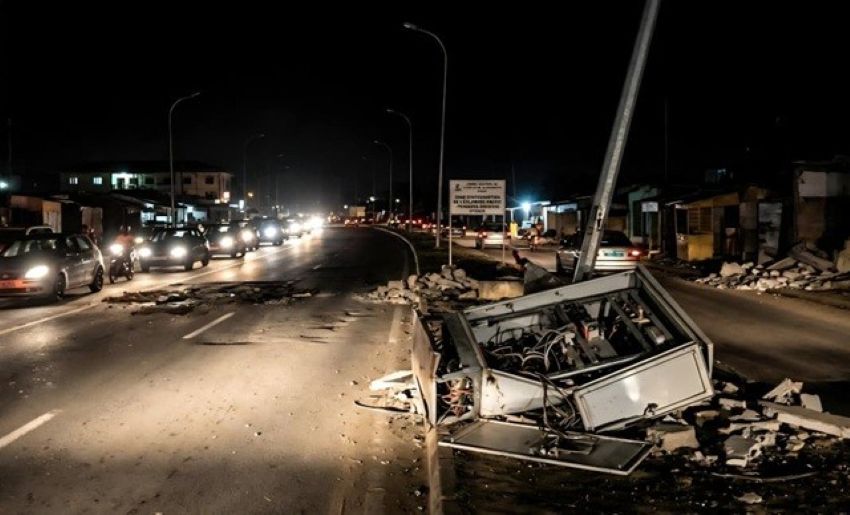
On Tuesday, November 10, 2026, the National Water and Electricity Council (CNEE) issued an urgent alert via its Facebook page, warning motorists and residents of a complete blackout along the key Democracia Interchange to Charbonnages Interchange corridor. The cause? The destruction of a main electrical cabinet that powered the streetlights during demolition activities in the area.
CNEE officials confirmed that emergency repair crews are on-site, conducting urgent assessments to restore power. In the meantime, drivers are urged to exercise extreme caution after dark, as the absence of streetlights significantly increases risks for all road users—especially motorcyclists and pedestrians.
What went wrong? A breakdown in coordination
The incident has exposed glaring flaws in urban planning execution. How could demolition teams unknowingly destroy a critical piece of public infrastructure? Why weren’t utility services consulted or notified before operations began? These are the questions now circulating among city officials and the public.
Urban liberation projects, particularly in densely populated cities like Libreville, require meticulous planning. They demand collaboration between demolition teams, urban planners, utility managers (including electricity, water, and telecommunications), and local authorities. Proper identification, protection, and, if necessary, relocation of essential infrastructure must precede any demolition activity that could compromise them.
The ripple effects of mismanagement
Beyond the immediate blackout, this oversight highlights deeper concerns. Residents face heightened safety risks, emergency repairs divert technical teams from other priorities, and public funds are allocated to fix preventable damage. Critics argue that such missteps undermine the very goals of urban renewal—modernization and improved quality of life.
Rather than accelerating development, these uncoordinated actions risk eroding public trust. Libreville’s progress depends not only on clearing illegal structures but also on preserving the functionality of existing systems that residents rely on daily.
Demanding accountability and better planning
Public debate is intensifying. Citizens and experts alike are calling for stricter oversight and accountability in urban renewal initiatives. The incident serves as a stark reminder: modernization cannot come at the cost of public safety and essential services.
The CNEE’s swift response to address the outage is commendable, but the underlying issue—a systemic lack of inter-agency coordination—remains unresolved. For Libreville’s future, the lesson is clear: urban renewal must prioritize both progress and preservation.