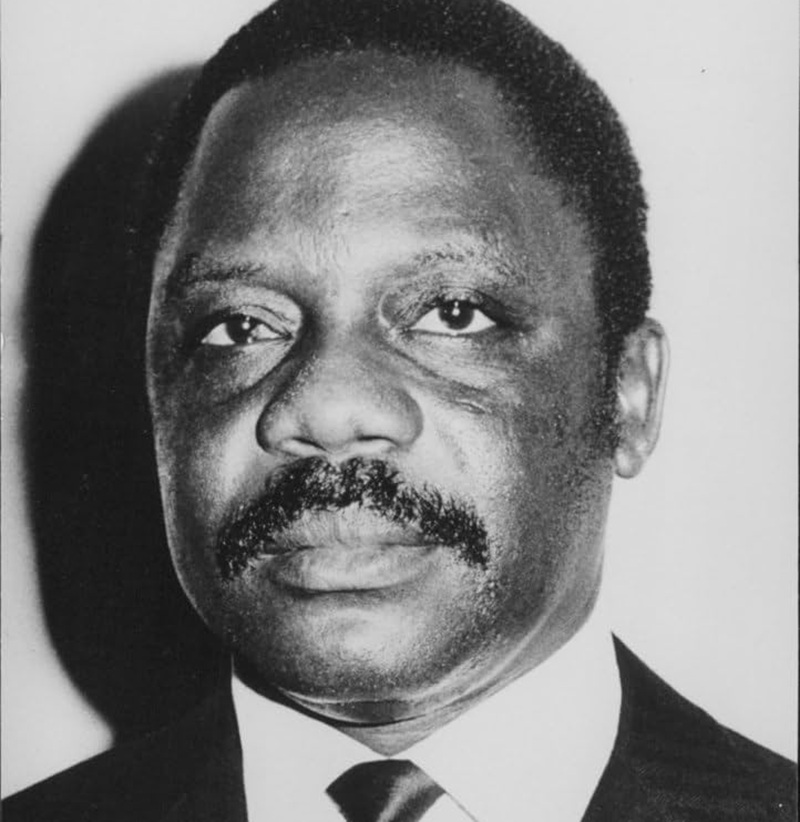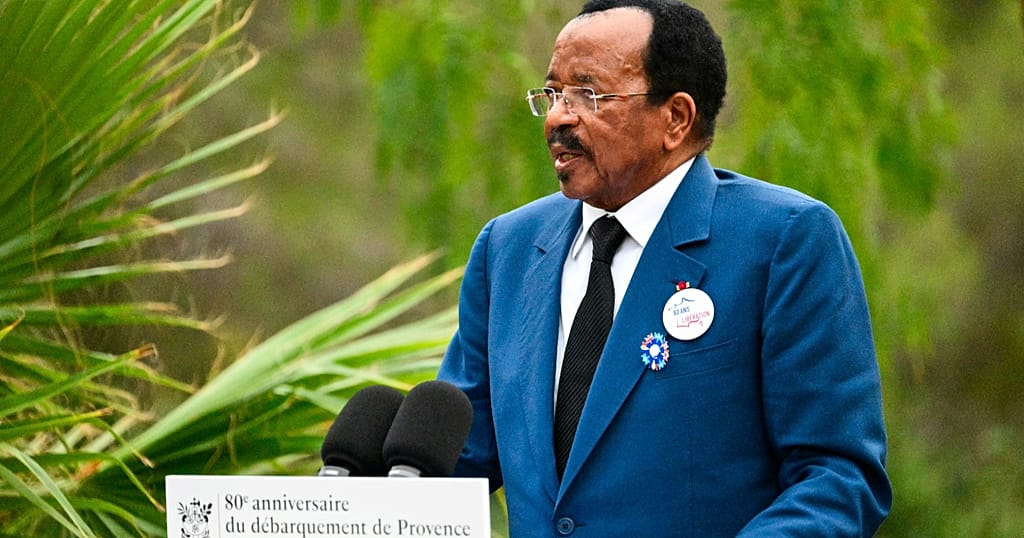

Samuel Mvondo Ayolo stands as a pivotal figure in Cameroon’s political landscape, bridging the gap between Geneva’s diplomatic circles and Yaoundé’s power corridors. His role extends beyond mere representation, shaping the narrative that sustains President Paul Biya’s long-standing administration.
From Geneva to Yaoundé: a diplomatic journey
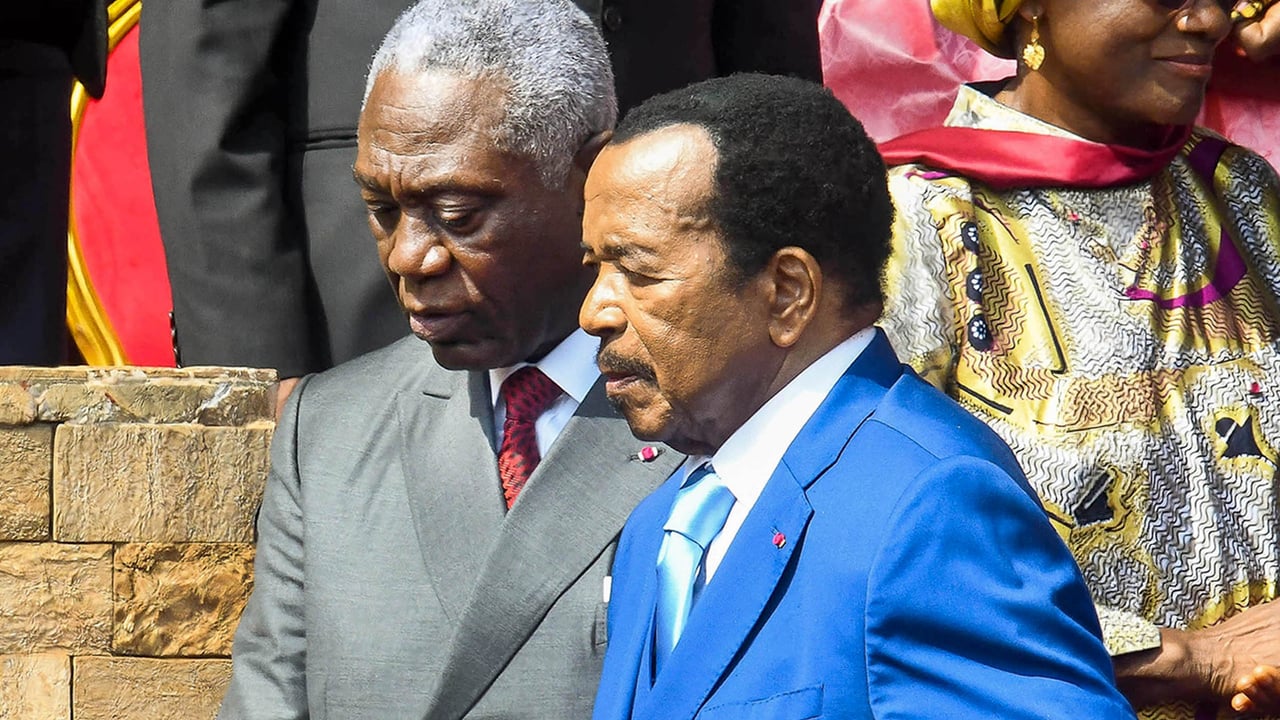
Mvondo Ayolo’s influence is most visible during high-profile engagements, such as the National Day celebrations in May 2026. Standing beside the President, he embodies the continuity of a system that has defined Cameroon’s governance for decades. His presence in international forums underscores the regime’s determination to maintain a strong diplomatic front, even as domestic challenges mount.
The connection between Geneva and Yaoundé is not merely geographical but ideological. Mvondo Ayolo serves as a conduit for policies that prioritize stability, often at the expense of broader reforms. His ability to navigate both spheres—domestic and international—has cemented his reputation as an indispensable ally to the President.
A guardian of Cameroon’s political legacy
At the heart of Mvondo Ayolo’s role lies a commitment to preserving the status quo. Whether in closed-door meetings or public appearances, his actions reflect a steadfast dedication to the ideals championed by Paul Biya since taking office in 1982. Critics argue that this approach stifles progress, yet supporters view it as a bulwark against instability in a region plagued by political turbulence.
The interplay between tradition and modernity within Cameroon’s political framework is nowhere more evident than in Mvondo Ayolo’s career. His dual engagement in African and European capitals allows him to project an image of resilience, reinforcing the perception of Cameroon as a nation that thrives despite internal and external pressures.
The role of Franck Biya in the equation
No discussion of Cameroon’s political elite would be complete without acknowledging Franck Biya, the President’s son. While Mvondo Ayolo operates in the realm of diplomacy and policy, Franck Biya’s influence often extends into the financial and strategic sectors. Together, they form a duo that symbolizes the intersection of power, privilege, and continuity in Cameroon’s governance.
Their collaboration illustrates how Cameroon’s leadership has evolved to adapt to global shifts while maintaining its core principles. Whether through economic partnerships or diplomatic alliances, their combined efforts underscore the regime’s enduring strategy to navigate an ever-changing world.
Challenges and controversies
Despite his prominence, Mvondo Ayolo is not immune to scrutiny. Opposition voices frequently question the transparency of his diplomatic engagements, particularly those involving international financial institutions. Yet, his ability to weather political storms reflects the resilience of the system he represents.
The balance between diplomacy and domestic expectations remains a delicate one. While Mvondo Ayolo champions Cameroon’s interests abroad, critics demand greater accountability at home. This tension highlights the broader challenges facing a nation striving to reconcile its global ambitions with the needs of its citizens.
The future of Cameroon’s political elite
As Cameroon looks ahead, the role of figures like Mvondo Ayolo will continue to be scrutinized. Will their influence wane as new generations of leaders emerge, or will they adapt to the changing tides of public opinion and global politics? One thing is certain: the legacy of Cameroon’s current political architecture is inextricably linked to the choices made by those at its helm today.
In a continent where leadership transitions often spark uncertainty, Mvondo Ayolo’s steadfast presence offers a glimpse into the strategies that have allowed Cameroon to maintain its course—even amid shifting sands.