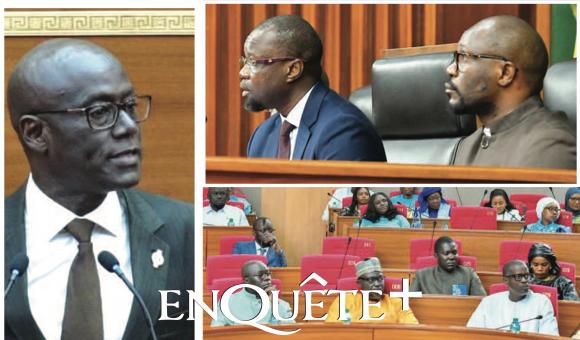
Sonko clarifies extraordinary session amid opposition challenges
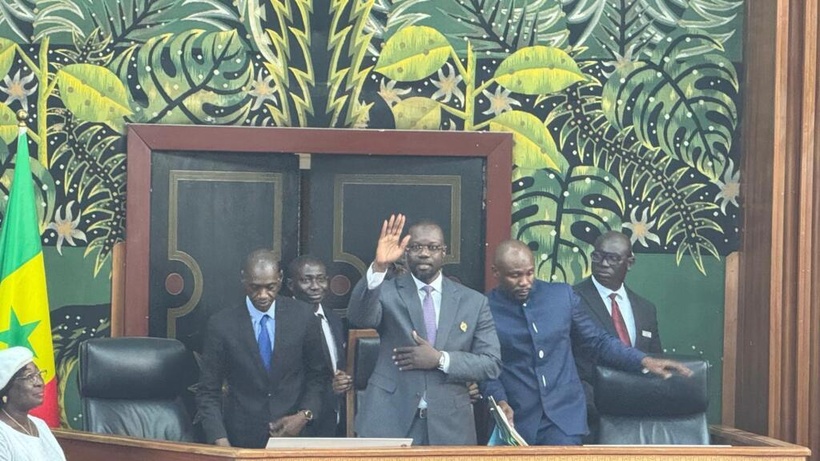
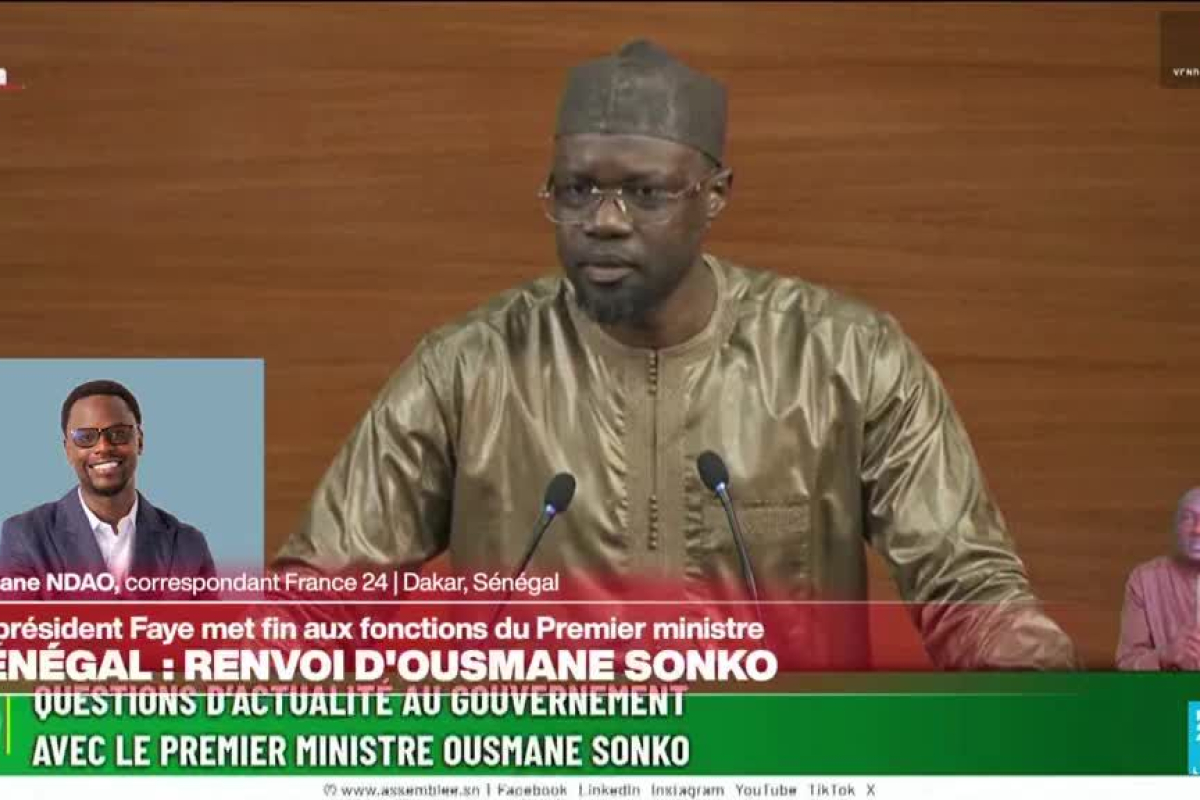
The President of Senegal’s National Assembly, Ousmane Sonko, took center stage this week to address mounting criticism surrounding the convening of an extraordinary parliamentary session. With tensions running high, Sonko outlined the session’s legal framework, detailed its agenda, and dismantled what he described as misleading claims. At the heart of the debate: five major legislative texts and the establishment of six inquiry commissions, all poised to ignite intense discussions.
Five pivotal legislative texts take center stage
Sonko, presiding over the opening plenary of the 2026 extraordinary session, set the tone for the proceedings. The session’s agenda includes three government-backed bills and two proposed by parliamentarians. Key among them are:
- Bill No. 15-2026: Proposing a comprehensive revision of the Labor Code to modernize employment regulations.
- Bill No. 16-2026: Introducing reforms to the Social Security Code, aimed at enhancing worker protections.
- Bill No. 25-2026: Focusing on safeguarding critical infrastructure and strengthening digital security measures.
Equally contentious are two proposals slated for urgent consideration: Bill No. 33-2026, which seeks to amend Article 37 of the Constitution, and Bill No. 34-2026, addressing the legal framework for special budget allocations. The Conference of Presidents will finalize the detailed work schedule.
Six inquiry commissions to investigate governance concerns
The extraordinary session also greenlights the creation of six parliamentary inquiry commissions, each tasked with probing deeply sensitive issues:
- Management discrepancies in land allocation.
- Improper sale of state-owned real estate assets.
- Misuse of financial mechanisms such as the TRS system.
- Irregularities in the “One Student, One Laptop” program.
- Revenue losses due to tax exemptions and abandoned fiscal policies.
- Conditions surrounding the awarding and renewal of fishing licenses.
Clarifying the timeline for inquiry commissions
Sonko firmly corrected misconceptions about the duration of the commissions’ work. “No one has suggested these commissions will conclude their investigations in just two weeks,” he stated. According to the Assembly’s internal regulations, each commission will consist of a maximum of eleven deputies, proportionally representing parliamentary groups. Following a majority vote in plenary without debate, the commission will elect its leadership—a president, two vice presidents, and a rapporteur.
The president emphasized that each commission will have six months to complete its work, with the possibility of extending proceedings beyond the session’s official dates, as permitted by Article 58 of the regulations. “These clarifications were necessary to dispel confusion,” Sonko insisted.
Legal grounds for the extraordinary session
Addressing accusations that the National Assembly’s Bureau lacked the authority to convene the session, Sonko invoked the Constitution and the Assembly’s rules. Article 7 of the latter explicitly states that extraordinary sessions can be called by the Bureau, a written request from a majority of deputies, or a presidential initiative. “Those claiming otherwise have misunderstood the legal provisions,” he asserted.
Opposition voices escalate criticism
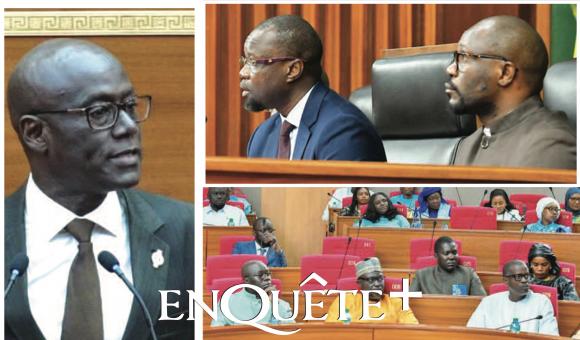
Despite Sonko’s clarifications, opposition figures doubled down on their objections. Thierno Alassane Sall, an independent deputy, seized the floor to challenge the government’s stance on local elections, accusing it of attempting to delay the process. “The entire opposition, including the FDR, demands elections to be held on schedule. Transparency requires dialogue with political actors to address delays—not backroom deals to catch everyone off guard,” he declared.
Sall also highlighted concerns over the opacity surrounding decisions by the Constitutional Council, particularly its refusal to publicly disclose rulings related to the 2024 Assembly dissolution. “The Council has the answers. They must publish their decisions,” he demanded.
Political infighting intensifies
On another front, presidential advisor Aldiouma Sow launched a scathing critique of the majority’s performance, framing the 34% absenteeism during the session as a symptom of deeper discontent. In a fiery statement, Sow described the Assembly’s leadership as a “messianic regime” in decline, warning of an irreversible rejection of its governance style. “Patriotic and republican deputies must take a stand. The future of former ministers, careerists, and shadow advisors—all Sonko-dependent opportunists—hangs in the balance,” he warned.