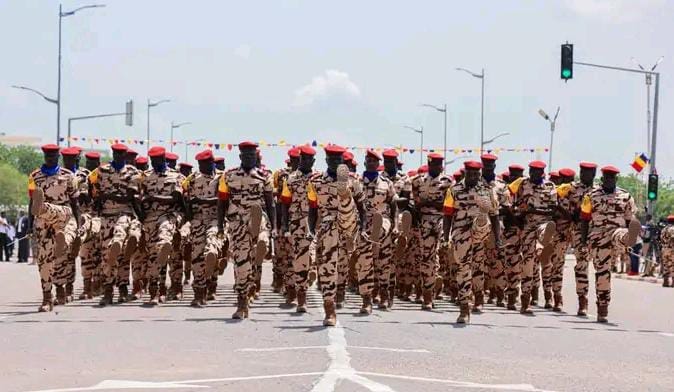
In N’Djamena, the 66th anniversary of Chad’s independence unfolded as a predictable military parade, a spectacle of discipline and national pride. Yet beneath the polished ranks and synchronized movements, the pulse of celebration remained curiously absent. The day passed much like any other, with markets bustling and commerce continuing as usual.
Where is the people’s celebration?
Every August 11th, Chad commemorates the day it broke free from colonial rule in 1960. The capital city prepares for a formal display of patriotism, centered on a military parade that showcases the country’s defense forces. While the ceremony conveys solemnity and respect for history, it struggles to ignite the enthusiasm of ordinary citizens. The streets, though adorned with flags, do not echo with the energy of a true national festival.
Unlike celebrations in other African capitals, where independence day often blends culture, sport, and public entertainment, N’Djamena’s observance remains largely institutional. There are no large-scale concerts, no open-air festivals, no inclusive events that invite the public to participate. The day’s rituals are confined to protocol, leaving little room for collective joy or cultural expression.
The weight of daily survival
For many in N’Djamena, the 11th of August is not a day of rest or reflection—it’s another working day. Small traders, street vendors, and informal workers cannot afford to pause, even for a national holiday. The loss of a day’s income can have immediate consequences for families already navigating economic hardship.
This reality casts a shadow over the festivities. While the government and military honor the nation’s sovereignty, a significant portion of the population is focused on meeting basic needs. The contrast is stark: one group celebrates in uniform, another labors to survive.
Could culture bridge the gap?
Chad’s youth represent a vibrant, creative force. Musicians, artists, athletes, and entrepreneurs are eager to contribute to the country’s identity. Independence Day could serve as a platform for their talents—through free concerts, sports tournaments, art exhibitions, or talent showcases. Such initiatives would not only enrich the celebration but also foster a deeper sense of national pride and unity.
The challenge is clear: how can Chad transform its independence anniversary from a state-led ceremony into a true people’s celebration? The answer may lie in blending tradition with innovation—honoring the past while embracing the energy of its citizens.
Sixty-six years later: reimagining national pride
Independence Day is more than a military display or a formal address. It is an opportunity to reflect on history, celebrate culture, and strengthen social bonds. Chad has the chance to redefine what this day means—not just for the government, but for every citizen. The path forward involves inclusion, creativity, and a shared commitment to building a nation where sovereignty is felt in daily life, not just in ceremonies.