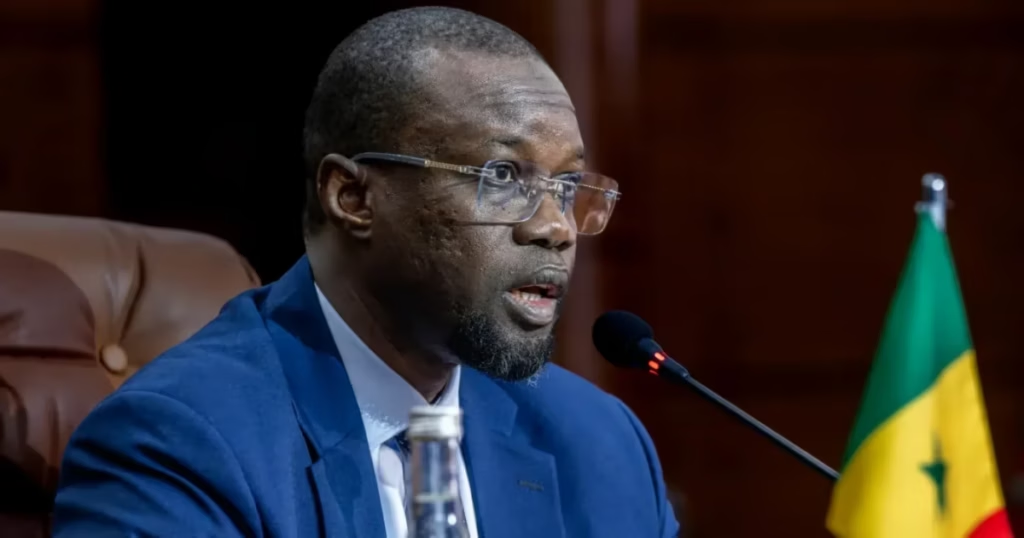
Lawmakers in the Senegal National Assembly are set to convene for a pivotal extraordinary session, marking a critical juncture in the 2026-2027 legislative calendar. The Bureau of the Assembly has officially scheduled the session to commence next Monday at 10:00 AM, with an agenda packed with eleven key items poised to reshape the nation’s legislative landscape.
Among the most consequential items on the docket are two proposed laws and three draft bills, alongside six requests for parliamentary inquiry commissions. The proposed reforms, including a highly anticipated bill to amend Article 37 of the Constitution regarding presidential asset declarations, underscore the Assembly’s renewed focus on governance and institutional transparency.
Reforms and inquiries: a legislative agenda under scrutiny
The legislative session arrives at a time of heightened public scrutiny over financial governance, with one proposal aiming to regulate special credits and secret funds—a recurring flashpoint in debates about fiscal transparency. These bills, already deemed admissible by the Assembly Bureau in July, signal a concerted push toward stricter oversight of public finances.
Additionally, the session will address demands for parliamentary inquiry commissions, reflecting growing calls for accountability in public administration. The combination of institutional reforms, legislative scrutiny, and investigative demands positions this extraordinary session as a defining moment for Senegal’s democratic processes.
What’s at stake for Senegal’s democracy
The eleven items slated for review are more than procedural; they represent a broader reckoning with transparency, governance, and the balance of power within the Assembly. As deputies prepare to debate these measures, the session could set precedents that influence political dynamics for years to come. With stakes this high, the outcomes of these deliberations will be closely watched by citizens, civil society, and international observers alike.

More Stories
Behind the violence: how the M23’s control of DRC mines fuels a cycle of abuse
Unpacking the surge: why Nigeria’s farmer-herder clashes are driving 600 refugees into Cameroon’s Northwest
Why Paris Saint-Germain’s midfield dominance sank Marseille in Ligue 1