When Senegal’s National Assembly convened on November 3, it wasn’t a traditional opposition showdown but a rebellion from within the ruling majority itself. With 109 deputies voting against, just 20 in favor, and 3 abstentions, legislators approved a preliminary motion tabled by their own Pastef party colleagues—effectively shelving the 2026 supplementary budget bill without any substantive debate. The proposal had already been rejected twice in October by the finance committee. Even though the ruling coalition holds 130 of the 165 parliamentary seats, an internal deadlock has now overshadowed standard political confrontations between government and opposition.
The internal fracture that threatens Dakar’s economic agreements
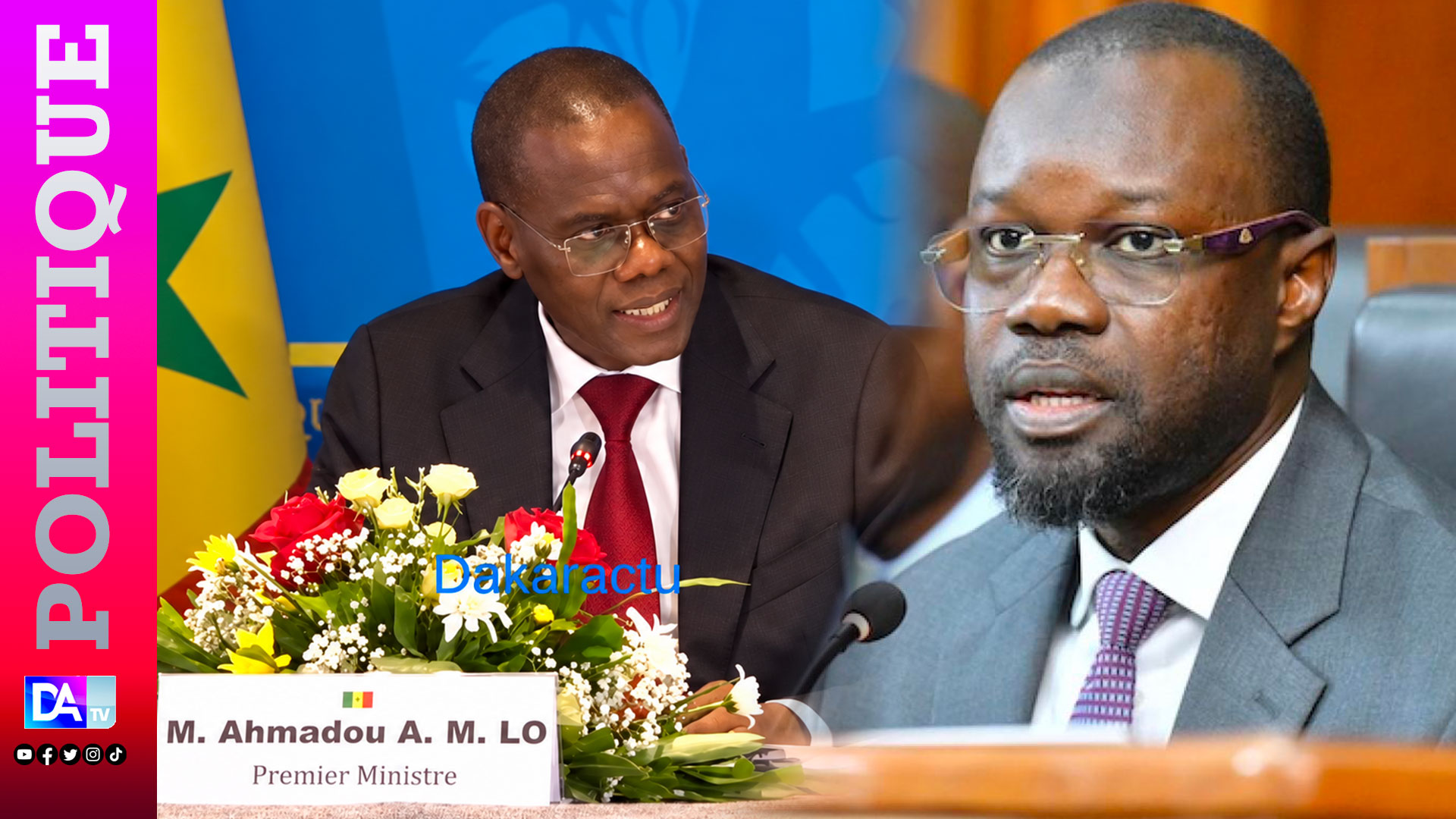
As early as October 19, Moussa Sonko, President of the National Assembly and leading figure in the Pastef movement, had drawn a clear red line: no vote on the 2026 supplementary budget—or the 2027 initial finance bill—would pass unless legal restrictions were first placed on special funds. This procedural hurdle, compounded by disputes over how best to target household assistance programs, has deprived the government of the essential budgetary tool needed to adjust revised public data after the revelation of hidden debt from the previous administration. Yet it is precisely this financial rehabilitation that the International Monetary Fund (IMF) insists on before submitting its technical agreement—signed on September 1 and worth $2.2 billion over 36 months—to its executive board for approval.
Abdourahmane Sarr, Senegal’s Minister of Economy, has publicly urged compromise but has not ruled out dissolving parliament as a fallback option if no agreement can be reached. Bassirou Diomaye Faye, speaking during the United Nations General Assembly in New York last September, left all possibilities on the table. Meanwhile, the silence from private creditors holding Senegal’s eurobonds looms large, especially after multiple rating agencies downgraded the country’s sovereign credit rating to speculative grade back in 2024.
Countdown to December 2 and the looming March 2027 payments cliff
Come December 2, 2026—exactly two years after the current legislature began—President Faye gains the constitutional power to dissolve the National Assembly. History offers a clear precedent: in 2024, the president issued a dissolution decree on September 12, followed by elections on November 17, and a new assembly seated on December 2—a cycle lasting roughly 80 days. Applying the same timeline to a potential dissolution on December 2, 2026, the earliest possible snap elections would fall on a Sunday in February 2027, within the constitutionally permitted 60-to-90-day window. In the interim, the president would govern via ordinance, while the 2027 budget would be extended through the same mechanism starting January 1.
This sequence carries significant financial consequences. By March 13, 2027, Senegal must meet a €400 million repayment obligation—covering one-third of a 2028 eurobond tranche along with two coupon payments. Without an initial IMF disbursement, accessing international markets would become prohibitively expensive, and negotiations under the G20 Common Framework could quickly come into play. Zambia’s experience since 2021 demonstrates that reaching a comprehensive agreement with an official creditor committee can take over three years of negotiations, while Ghana, which defaulted in December 2022, only finalized its eurobond restructuring in the fall of 2024.
Three possible routes—one decisive judge
The first path requires amending the supplementary budget before December 2, adopting the 2027 finance bill before year-end, and securing IMF board approval between late December and January—unlocking the first tranche and formally opening restructuring talks with eurobond holders. The second route leads to snap elections, trading parliamentary debate for a two-to-three-month period of governance by ordinance. A third, middle-ground option could involve passing a minimal bill focused solely on regulating special funds, satisfying Sonko’s objections without reopening a full-scale budget debate before December 2.
Across all three scenarios, one arbiter ultimately decides the financial fate of Senegal: the bond markets. Investors will continuously reassess the country’s political course, adjusting the yield spread they demand to keep financing Dakar’s obligations afloat. Senegal’s domestic politics now hinge at the crossroads of its constitution, the IMF memorandum of understanding, and the long-dormant covenants of a eurobond issued nearly a decade ago.