
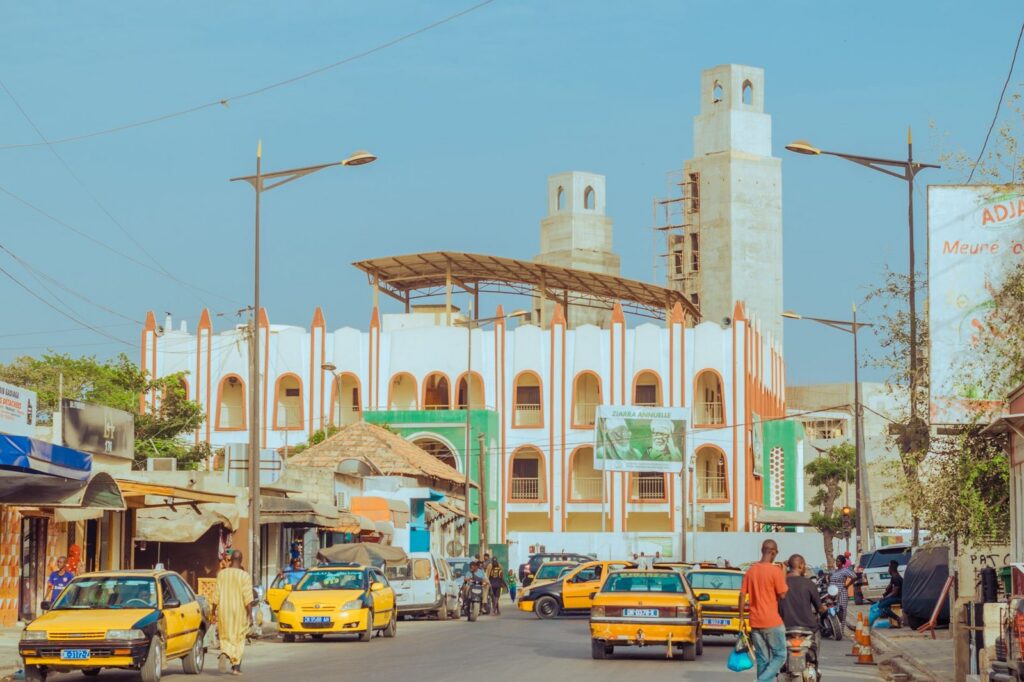
Political friction is mounting in Dakar. Tafsir Thioye, a prominent civil society figure and vocal critic of the ruling administration, has openly refuted the latest allegations made by Prime Minister Ousmane Sonko, who also leads the Pastef party. This public confrontation occurs amidst escalating disputes between the executive branch and its opponents, adding fuel to the ongoing Senegal political debate several months after the Diomaye-Sonko leadership took charge of the country.
Direct opposition to the prime minister’s assertions
Tafsir Thioye intends to set the record straight regarding the claims put forward by the Senegalese Prime Minister. The political analyst, known for his frequent media appearances, accuses Ousmane Sonko of presenting inaccurate information to the public. His rebuttal, shared widely across digital networks, marks another chapter in the ongoing friction between the Pastef administration and sections of civil society.
This intervention highlights a consistent trend in the country’s public discourse since the democratic transition of March 2024. Every major declaration by the head of government now meets with structured counterarguments, where opponents use data and documents to challenge official statements. This pattern indicates a deepening polarization within a nation celebrated for its robust democratic engagement.
Tense political atmosphere since Pastef assumed power
Since taking office in April 2024, Ousmane Sonko has delivered several assertive speeches, particularly targeting the governance of the former Macky Sall administration. The Prime Minister has repeatedly called for audits of past management, promising to expose discrepancies in public finances and the execution of strategic projects. These highly publicized remarks have sparked regular debates with the previous ruling coalition and independent analysts.
Tafsir Thioye is among the commentators who, despite not aligning with the former ruling party, question the methodology and accuracy of the Prime Minister’s declarations. In his latest address, the analyst accused the executive of using imprecise public data, pointing to a broader challenge concerning the quality of economic and institutional discussions in Senegal, where citizens hold high expectations for transparency.
A high-stakes battle of narratives in Dakar
Beyond the personal dispute between the two figures, this clash reflects a broader struggle over the political narrative shaping Senegal. On one side, the new administration seeks to establish a clear break from the past by highlighting the failures of its predecessors. On the other, independent observers and critics, including Tafsir Thioye, demand greater factual rigor and scrutinize the substance of government announcements.
This confrontation unfolds as the Pastef-led government prepares to launch major structural initiatives, such as renegotiating mining and oil contracts alongside tax reforms. In this environment, the credibility of official statements is highly strategic, as media challenges can influence public support for these major reforms.
Nevertheless, the intensity of these exchanges demonstrates the vitality of Senegalese democracy, where dissenting voices remain free to challenge a newly elected government. For international partners and investors tracking the country’s trajectory, the reliability of official data and the clarity of state communications will remain crucial indicators in the coming months. In his detailed response, Tafsir Thioye systematically dissected the points he identified as erroneous in Ousmane Sonko’s address.

More Stories
Is Chad truly heading towards political appeasement?
Bradley Barcola will adapt faster than Florian Wirtz at Liverpool, says Jermaine Pennant
Togo eyes nuclear power to secure future energy sovereignty