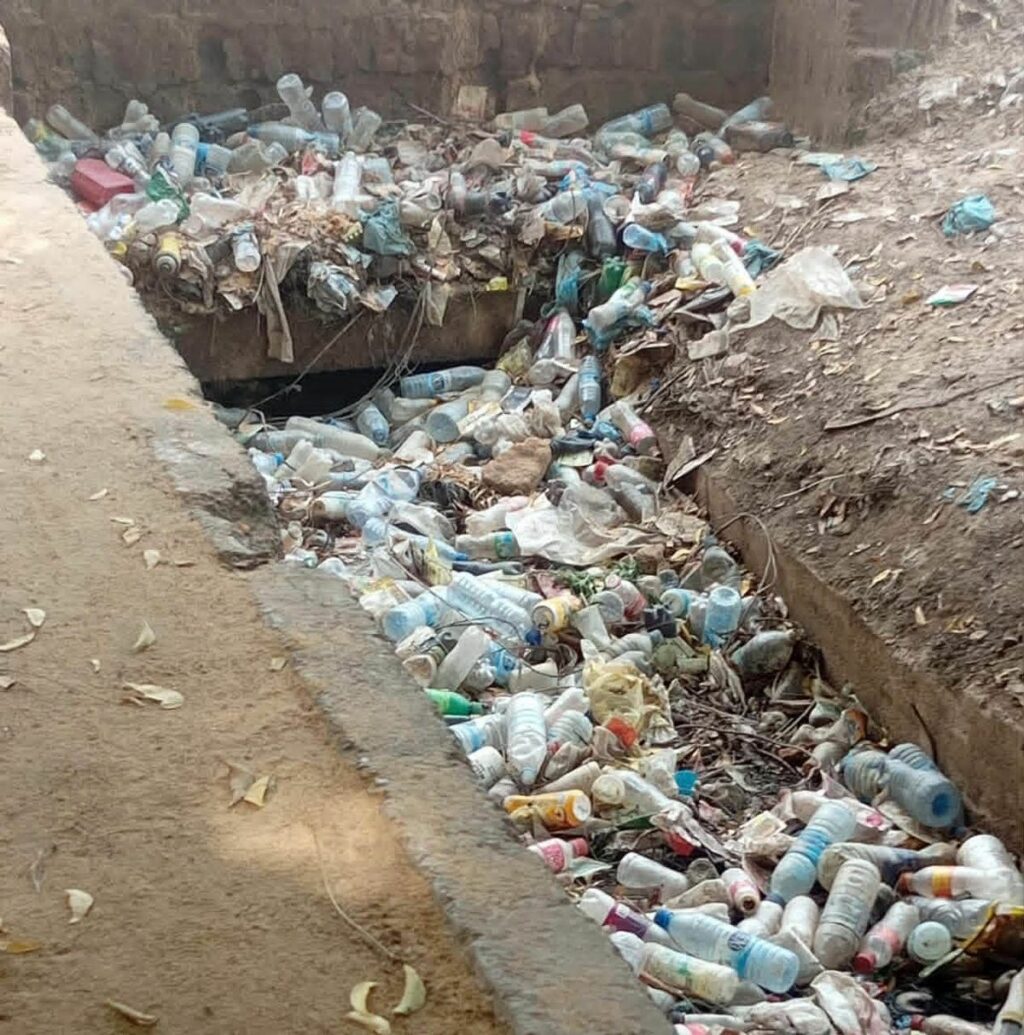
The streets of N’Djamena tell a striking tale of convenience versus sustainability. Every day, residents discard thousands of plastic bags, bottles, and packaging—convenience that comes at a steep environmental cost. With an estimated 20,000 tonnes of plastic waste generated annually in the Chadian capital, the need for a robust recycling framework has never been more urgent.
Why recycling in Chad remains a distant dream
The primary hurdle lies in the lack of an organized waste collection system. In most neighborhoods, household waste—plastics, organic matter, metals, and glass—ends up in the same piles or littered across streets. Without source separation, the potential for recovery and recycling is severely diminished. Compounding the issue is the near absence of specialized infrastructure. Chad’s recycling sector is still in its infancy, with only a handful of private and community-led initiatives attempting to convert plastic waste into reusable materials. These efforts, however, are constrained by limited funding, outdated equipment, and a lack of market access for recycled products.
As a result, most plastic waste either accumulates in open dumps or is incinerated, releasing toxic fumes that pose serious health risks. The informal sector plays a crucial but underappreciated role in mitigating this crisis. Hundreds of women and young people earn a living by collecting and reselling recyclable plastics, yet they operate without formal support, social protections, or fair working conditions. Their contribution to waste reduction is undeniable, but their exclusion from structured recycling programs limits the sector’s scalability.
From trash to treasure: the economic promise of recycling
In many African nations, plastic waste has evolved into a valuable economic resource. Recycled materials are transformed into paving stones, furniture, pipes, and construction materials, creating jobs and fostering local industries. Chad, however, has yet to unlock this potential. The absence of targeted investments, technical training, and tax incentives for recycling enterprises stifles innovation and growth. Without a clear regulatory push to reduce single-use plastics and promote circular economy models, the sector remains stagnant.
Public awareness is another critical missing link. Many citizens remain unaware of the long-term environmental consequences of plastic pollution. During the rainy season, discarded sachets clog drainage systems, worsening floods in vulnerable neighborhoods. Plastic waste also drifts into waterways, endangering aquatic ecosystems and wildlife. The slow degradation process—taking centuries in some cases—means these pollutants leave a lasting environmental scar.
Turning the tide: strategies for a sustainable future
Efforts to address this challenge are underway, but they lack the cohesion and scale required for meaningful impact. Authorities have launched cleanliness campaigns and called for greater civic responsibility, yet these initiatives falter without a comprehensive national strategy. A sustainable recycling ecosystem demands a multi-pronged approach: mandatory source separation, enhanced local government capacity, financial incentives for recyclers, and strict regulations on single-use plastics.
International partners could play a pivotal role by providing technical expertise and funding to jumpstart Chad’s recycling industry. Beyond environmental benefits, this sector offers a pathway to economic resilience. It could generate thousands of jobs, stimulate local entrepreneurship, and diversify income sources while improving urban living conditions. The question is no longer whether recycling can work in Chad, but how quickly the country can mobilize the will, resources, and innovation needed to make it a reality. Until plastic waste is viewed not as a burden, but as an opportunity, the recycling revolution in Chad will remain stalled.



More Stories
Behind the violence: how the M23’s control of DRC mines fuels a cycle of abuse
Unpacking the surge: why Nigeria’s farmer-herder clashes are driving 600 refugees into Cameroon’s Northwest
Why Paris Saint-Germain’s midfield dominance sank Marseille in Ligue 1