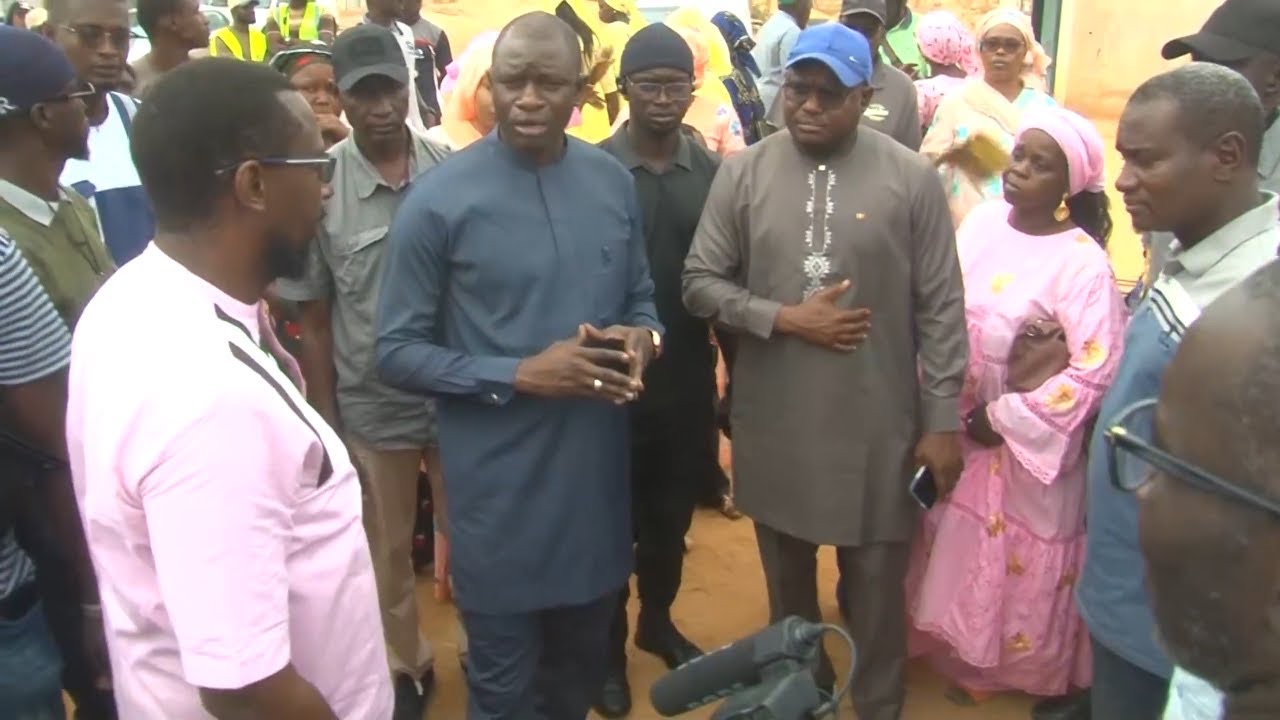
In the wake of a bold proposal from Senegal’s Thiès, the future of cross-border cultural diplomacy is under scrutiny as cities debate what comes next. At the heart of the conversation: a new medal honoring hospitality, proposed by Mayor Babacar Diop during a high-profile forum in Abidjan’s Treichville district.
How a railway history fuels a modern dispute
The idea emerged from a shared past. Thiès, once a railway hub, drew families from across Africa—including Mali, Ivory Coast, Burkina Faso, Benin, and Cape Verde—whose descendants now call the city home. Treichville, too, has long been a gateway for migrants and travelers, weaving a tapestry of cultures. Mayor Diop argues this interconnected history deserves recognition. But not everyone agrees on how—or even if—it should be celebrated.
Public figures and citizens now weigh in: some praise the initiative as a bridge between communities, while others question its feasibility or motives. As debates intensify, one question looms: What does hospitality truly mean in today’s Africa—and who gets to define it?
A medal with high ambitions—and unanswered questions
Diop’s proposal is ambitious. The medal would annually honor individuals or institutions that champion hospitality and integration, with Senegal’s President Bassirou Diomaye Faye and Ivory Coast’s President Alassane Ouattara as honorary patrons. But details remain scarce. Who will select the winners? When will the first awards be handed out? Without clear guidelines, skeptics wonder if the honor will live up to its promise—or fizzle out as empty symbolism.
Beyond the medal, Diop envisions broader ties: student exchanges, artist collaborations, and sports partnerships. The goal? To foster grassroots connections between Thiès and Treichville. But as critics point out, such initiatives often stall without sustained funding or political will. Will this proposal break the cycle—or add to the noise?
Urban renewal takes center stage
The forum that sparked the debate also tackled pressing urban issues: renovating neighborhoods, beautifying public spaces, and ensuring equitable access to amenities. Diop emphasized free, accessible meeting places—sports fields, libraries, youth centers, and parks—as vital for social cohesion. Yet he raised a critical point: where are these spaces located, and who really benefits from them?
He pointed to marginalized groups: youth, women, the elderly, and residents of outlying districts. Too often, he argued, public resources cater to the privileged few. His challenge to local leaders: Design cities for everyone, not just the visible.
What’s next for the hospitality medal?
The ball is now in both governments’ courts. Will Ouattara and Faye lend their support? Will Thiès and Treichville’s councils draft a concrete plan—or let the idea gather dust? Meanwhile, public opinion remains divided. Optimists hail the medal as a bold step toward pan-African unity. Skeptics dismiss it as political grandstanding. One thing is certain: the fallout from this proposal will shape discussions on cultural diplomacy for years to come.