Senegal’s government has delivered a decisive blow to one of its most critical port projects, terminating the concession agreement with Leduc Senegal at the Bargny mineral port in exchange for a hefty compensation of 4.752 billion CFA francs—roughly 7.2 million euros. The move strips the multinational operator of its operating rights at a facility poised to become a linchpin in West Africa’s mineral logistics network.
Bargny’s strategic pivot in Senegal’s port expansion
Located about 40 kilometers east of Dakar along the Petite Côte, the Bargny-Sendou complex was conceived in the early 2010s as an essential offshoot for the congested and landlocked capital port. The 2012-launched megaproject, priced in the hundreds of billions of CFA francs, was designed to prioritize bulk solids, hydrocarbons, and mineral exports, particularly zircon and phosphate, while easing pressure on Dakar’s aging docks.
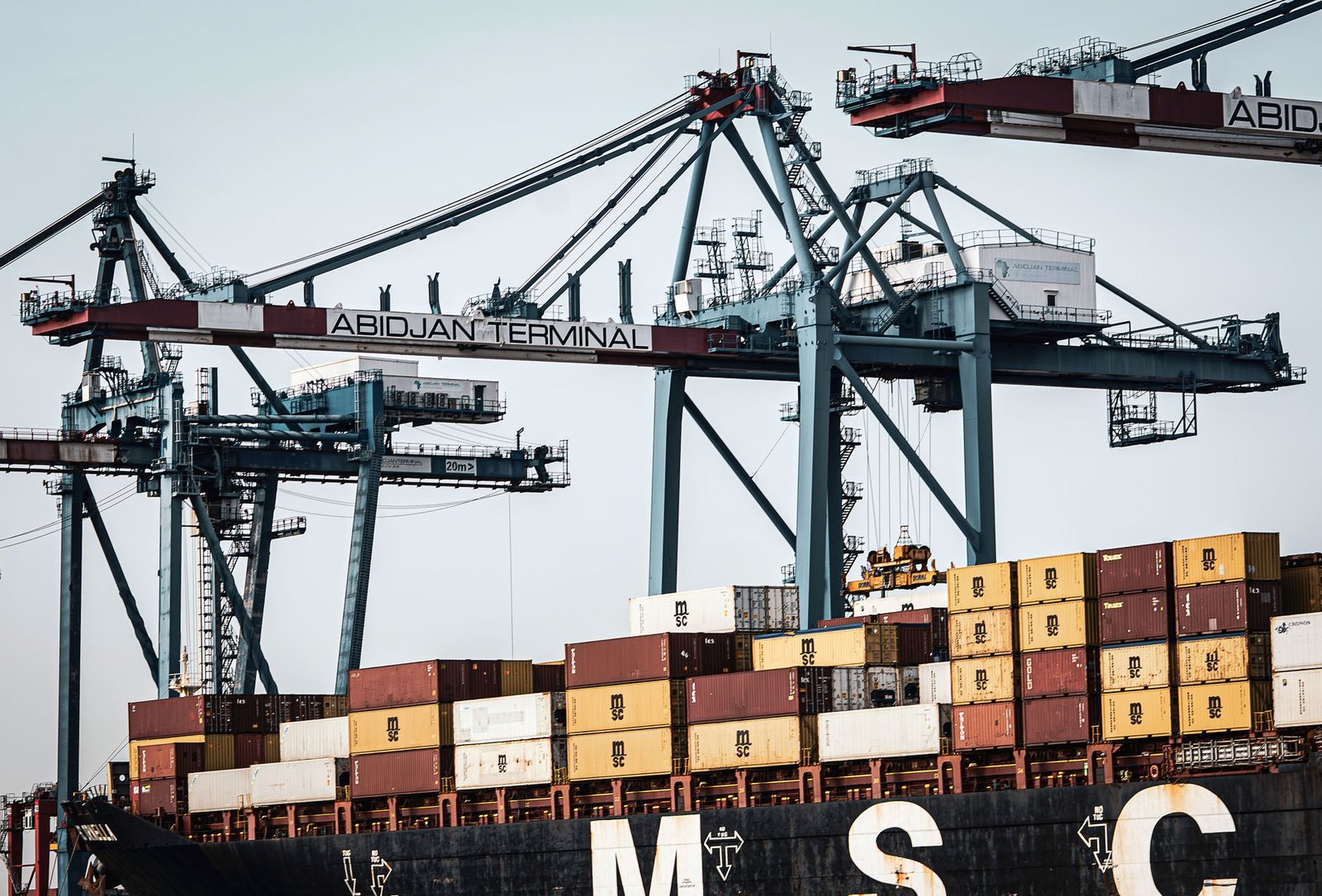
As regional rivals like Abidjan and Nouakchott expand capacity, Dakar has long eyed Bargny as a strategic pivot—handling roughly 20 million tons of cargo annually, a figure constrained by the historic harbor’s physical limits. Diverting bulk traffic to Bargny was framed a decade ago as a strategic imperative to secure Senegal’s logistical edge.
Diomaye Faye’s governance: redefining public-private contracts
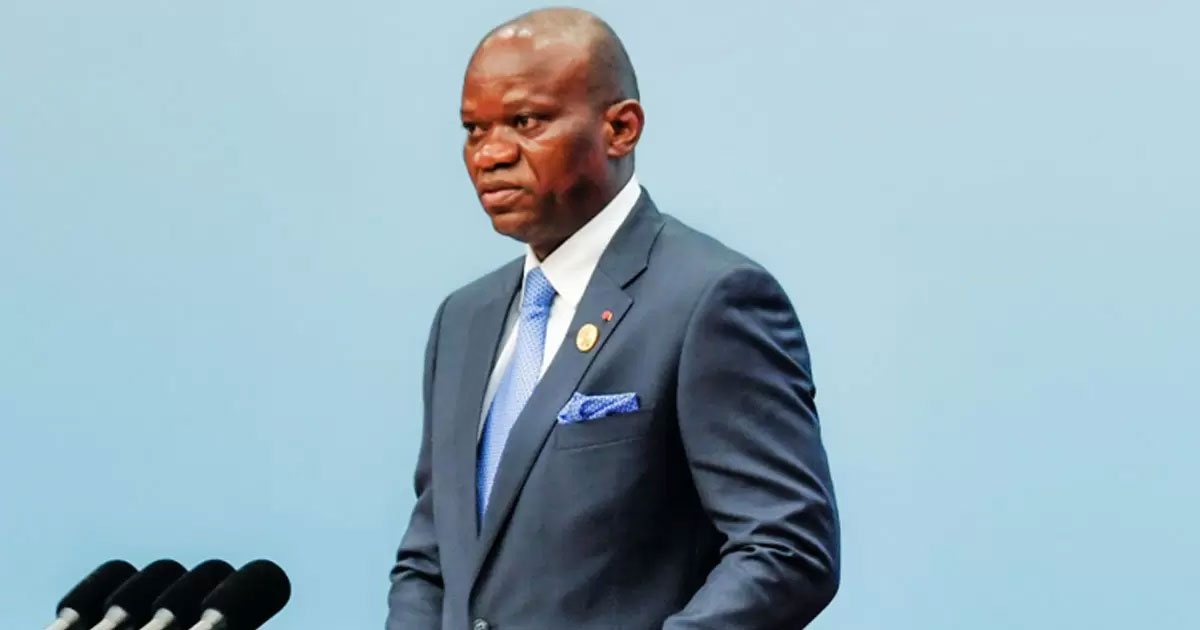
The decision against Leduc Senegal is the latest in a sweeping review of inherited contracts by President Bassirou Diomaye Faye and Prime Minister Ousmane Sonko, who took office in April 2024. Through audits across hydrocarbons, mining, and public concessions, the administration aims—quoting official communications—to reclaim revenues deemed lost to unfair terms, positioning itself as a champion of sovereign asset control.
Similar moves have echoed across the Sahel. Niger’s post-coup government in July 2023 voided several foreign mining permits, while Mali’s transitional regime renegotiated gold conventions with majors like Barrick Gold in 2023–24, securing back taxes in the hundreds of billions of CFA francs. Senegal’s approach distinguishes itself through institutional rigor, yet shares the broader goal of reclaiming infrastructure rents.
Foreign operators face unprecedented penalties
The 4.8 billion CFA franc penalty imposed on Leduc Senegal is more than symbolic—it eclipses the annual turnover of many regional port SMEs. Authorities invoke standard contractual breaches, including unpaid royalties, undelivered investments, or operational deviations from the agreed terms. The penalty sends a clear message to all foreign concessionaires: compliance and transparency are non-negotiable under the new dispensation.
Regional trade rivalry hinges on Senegal’s port strategy
The dispute arrives at a pivotal juncture in the transatlantic port competition. In 2024, DP World expanded into Dakar via the Ndayane port complex, launched in January 2022 with a price tag exceeding 1.1 trillion CFA francs. Yet clarity is now critical: how will Bargny, Ndayane, and the historic Autonomous Port of Dakar coexist within a unified strategy?
For Leduc Senegal, legal avenues remain open, from commercial arbitration to domestic administrative court challenges. Observers will closely watch the proceedings, gauging Dakar’s resolve to enforce its terms against private partners and shaping the confidence of financiers backing the region’s next-generation port infrastructure.