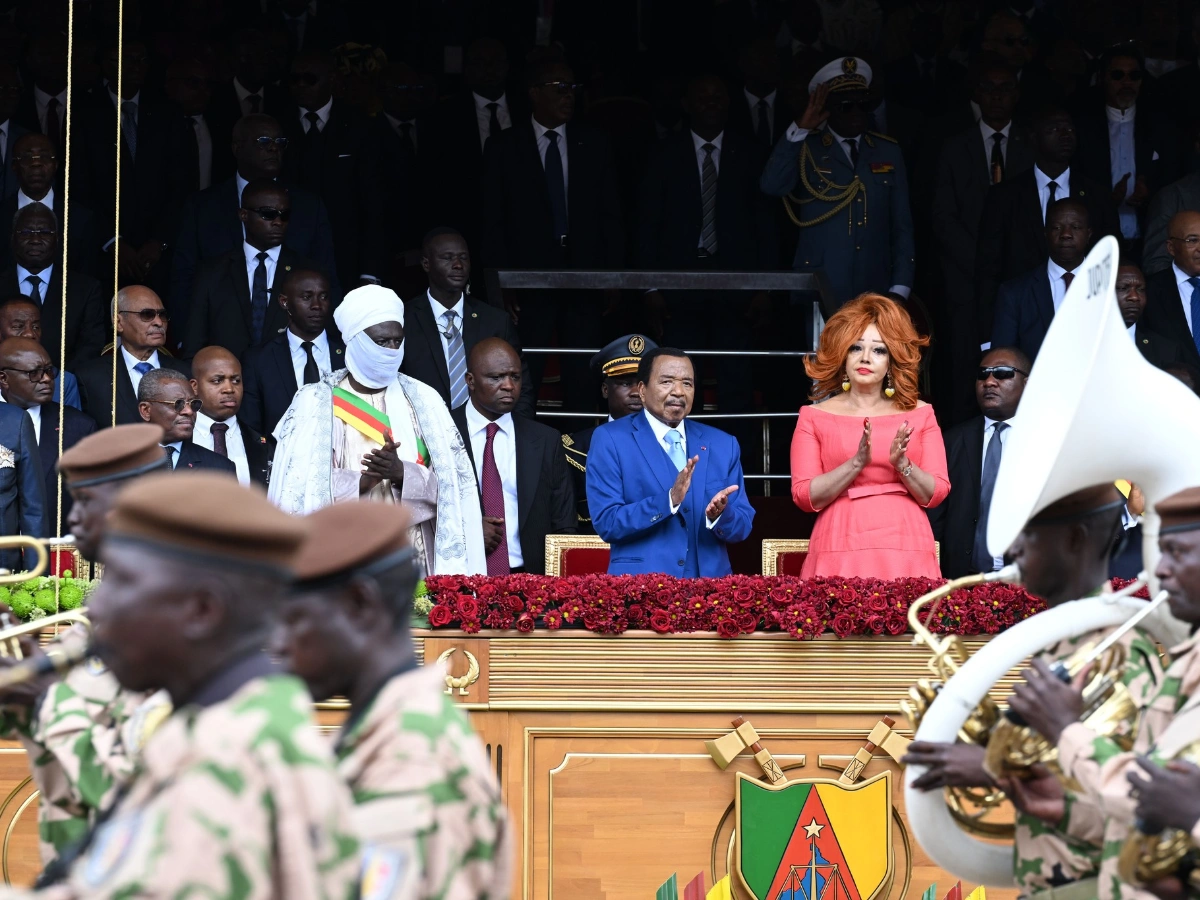
Recent weeks have seen a wave of disclosures on highly sensitive topics in Cameroon, coming notably from two figures who once held key strategic positions within the state’s security apparatus: Maxime Eko Eko, former director-general of the DGRE, and Captain Effoudou, former head of intelligence at the president’s special military staff.
According to statements attributed to these two individuals, a coup attempt was allegedly being prepared against President Paul Biya in 2023.
During a recent court confrontation in the trial of Martinez Zogo, Maxime Eko Eko reportedly stated that he was arrested just after submitting a report to the president about this alleged coup plot.
Three years after Martinez Zogo’s death and the events the former DGRE chief referred to, these details are now coming to light publicly.
Some observers, however, note a striking coincidence: these revelations surface at a time when the security and military apparatus is being progressively tightened, with new generals appointed and deployed, shifts within military justice, and changes in the armed forces’ logistics chain.
The Maxime Eko Eko case: victim or holder of sensitive information?
As former head of the DGRE, Maxime Eko Eko occupied one of the most critical roles in Cameroon’s security structure.
The circumstances of his arrest, as emerging from recent court proceedings, raise questions. He was reportedly taken into custody shortly after handing over a report to authorities about an alleged plot to destabilise the government. A week later, a source close to the security apparatus allegedly claimed he would soon be released.
Three years on, he remains behind bars.
For some observers, this situation might be explained by a deliberate strategy to allow details about the Martinez Zogo case and the alleged coup attempt to surface gradually through judicial processes. This is, of course, a political interpretation that is yet to be proven.
Captain Effoudou directly implicates the SGPR
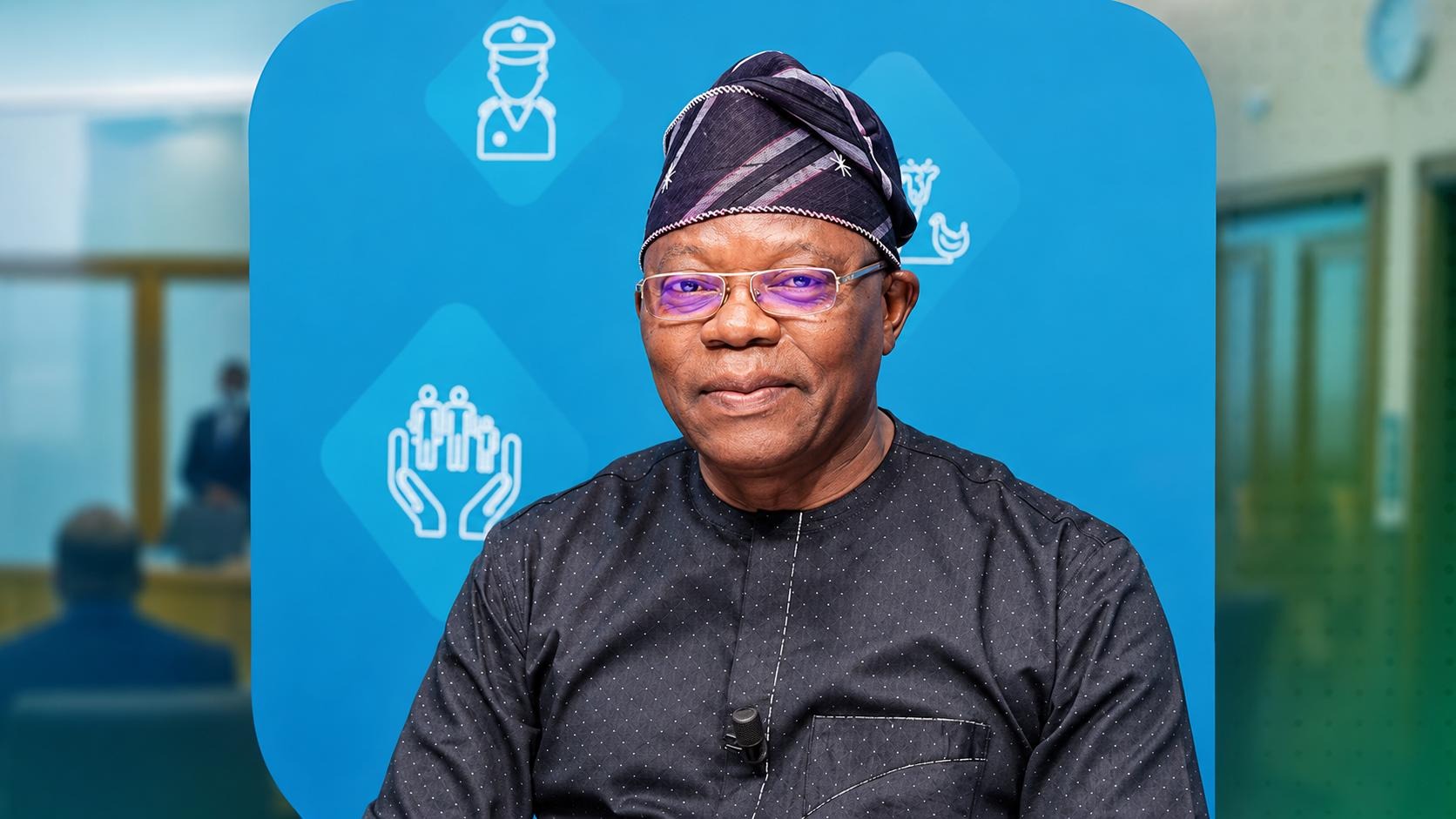
Unlike the former DGRE chief, Captain Effoudou, in an interview with Morgan Palmer, is said to have named a specific individual he claims was involved in the coup attempt: the secretary-general of the presidency (SGPR).
This is a particularly serious accusation that begs a key question: if the SGPR were truly implicated in a coup plot and intelligence services had informed President Paul Biya, how is it that he later entrusted him with such strategic responsibilities?
The SGPR notably led consultations at the presidential palace to prepare for the presidential election. He is also said to have played a significant role in managing the post-election crisis.
More recently, his name has surfaced in connection with the possibility of creating a vice-presidential post.
Guilty or victim?
This backdrop may explain why some public opinion is puzzled by the continued trust the head of state seems to place in him.
The recent movements within the security and military apparatus are, at any rate, fuelling speculation about a possible reconfiguration of power around President Paul Biya.
Some see the early signs of an institutional transition that could eventually lead to the creation of a vice-president role, tasked with stepping in if the president is unable to serve, and potentially completing the presidential term.
For now, none of these hypotheses has been officially confirmed.
The only certainty is that Paul Biya remains the master of Cameroon’s political game, and future developments at the top of the state may reveal the true intent behind these moves.
In recent days, social media has been flooded with photos of Franck Biya showcasing his role as a devoted father with his children.