Lomé is quietly reshaping its security partnerships as jihadist threats intensify across the Sahel. Recent years have seen the Togolese government forge discreet but strategic ties with Ankara, securing vital aerial support and military assistance to counter regional insurgencies. Meanwhile, Moscow’s Africa Corps has emerged as another key player since 2025, signaling a potential realignment in West Africa’s security landscape.
From Ankara to Moscow: Togo’s evolving defense strategy
For over a decade, the Togo government has operated behind the scenes to strengthen its counterterrorism capabilities. Faced with the growing influence of armed groups operating near its northern borders, authorities in Lomé have pursued a two-pronged approach: bolstering local defense mechanisms while seeking external alliances.
The most visible result has been an increasing reliance on Turkey, whose drones and military advisors have become a cornerstone of Togo’s clandestine operations. Reports from 2023 and 2024 highlight how these partnerships provided critical reconnaissance and strike capabilities, particularly in the Savanes region where suspected jihadist cells have been active.
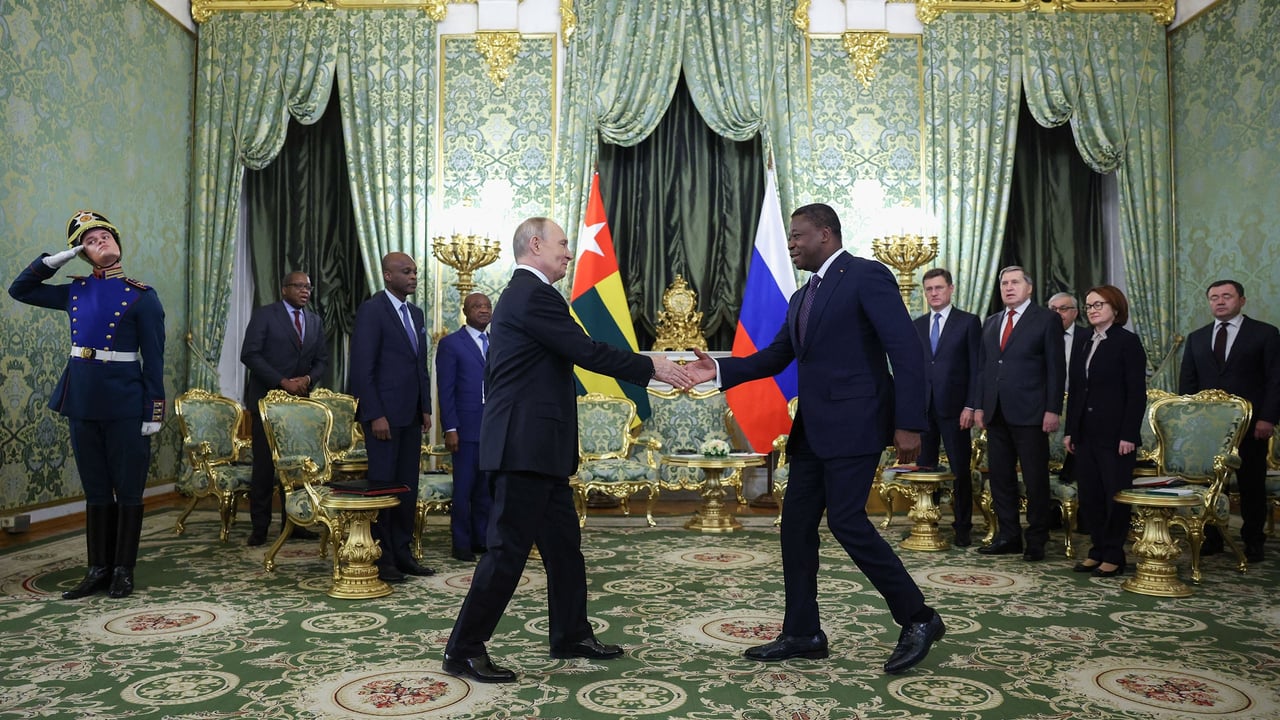
Yet the arrival of Russia’s Africa Corps in 2025 marks a potential inflection point. While details remain sparse, intelligence suggests that Moscow’s expeditionary force has begun offering logistical, advisory, and possibly combat support to Togolese forces. This development underscores a broader trend: African nations are diversifying their security partners beyond traditional Western allies.
Faure Gnassingbé’s balancing act
Faure Gnassingbé, Togo’s long-serving president, has long prioritized stability through pragmatic diplomacy. His government has maintained cordial relations with both Western powers and emerging actors like Ankara and Moscow, avoiding overt alignment while maximizing benefits.
Under his leadership, Togo has hosted joint military exercises, received advanced defense equipment, and even permitted foreign troops to operate on its soil. These moves, though controversial among some domestic observers, reflect a calculated risk: leveraging geopolitical competition to secure national security.
The president’s approach has drawn criticism from opposition figures who argue that such alliances could compromise Togo’s sovereignty. Yet proponents counter that the absence of robust indigenous capabilities leaves few alternatives in the face of escalating regional instability.
What’s at stake for West Africa
The shifting dynamics in Lomé carry broader implications for the Sahel and beyond. As African nations increasingly turn to non-traditional partners—be it Ankara, Moscow, or others—the traditional security architecture of the continent faces unprecedented stress.
For Togo, the gamble could pay off if the alliances deliver tangible results in combating terrorism. But the long-term consequences remain uncertain, particularly as new actors bring their own agendas and conditions into play. One thing is clear: the era of exclusive Western security partnerships in West Africa is drawing to a close.