The West African nation of Togo is quietly recalibrating its approach to regional security, forging controversial partnerships with global powers to counter rising jihadist threats. Under President Faure Gnassingbé’s leadership, Lomé has expanded military cooperation with Turkey, Russia’s Africa Corps, and other actors, raising questions about long-term implications.
Intelligence sources indicate these alliances, some formalized as early as 2024, include clandestine security arrangements that extend beyond traditional defense agreements. The shift reflects a growing sense of urgency among coastal states to address spillover violence from the Sahel’s volatile heartlands.
Turkey’s expanding footprint in West African security
Togo’s collaboration with Ankara has intensified significantly over the past eighteen months. Reports from military observers in the Savanes Region confirm Turkish technical teams have assisted in upgrading drone surveillance capabilities and training local forces to detect cross-border infiltration by armed groups. High-resolution imagery now supports real-time monitoring of known jihadist staging areas along the northern frontier.
These efforts are part of a broader Turkish strategy to expand influence across Francophone Africa. Lomé’s willingness to host Turkish advisors and equipment underscores a pragmatic departure from historical partnerships with former colonial powers.
Russia’s Africa Corps enters the Togolese equation
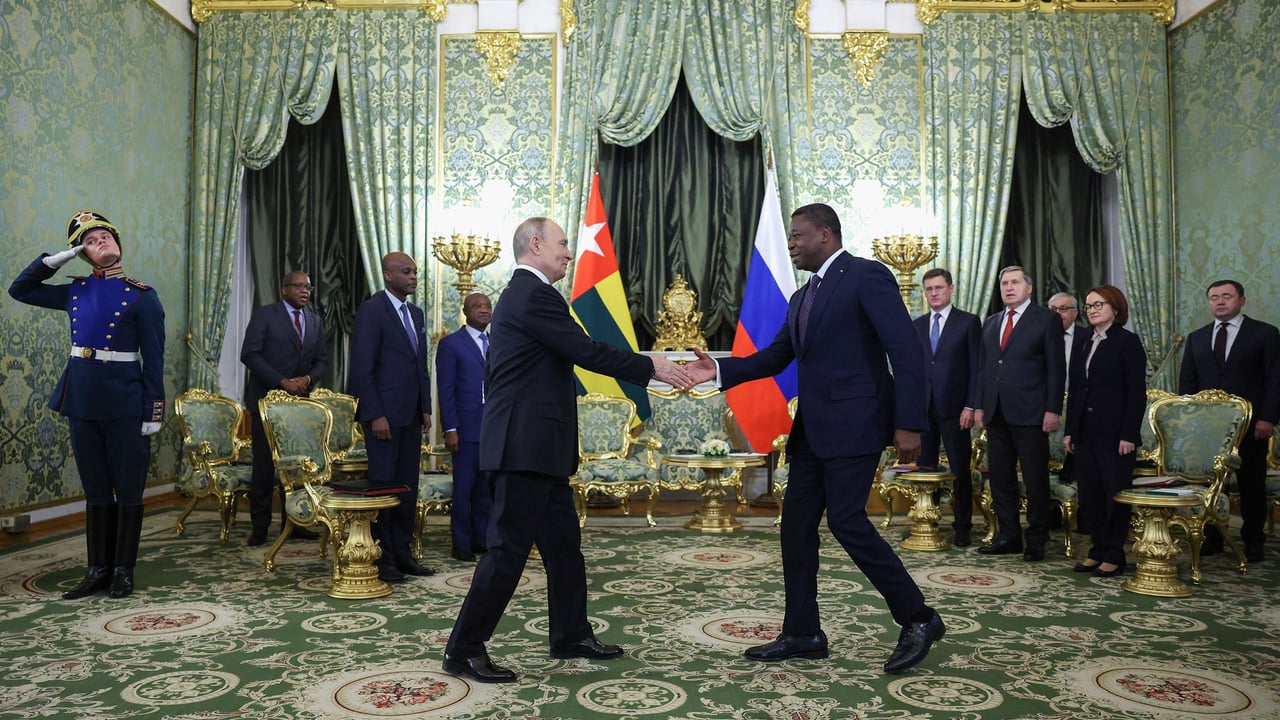
Since early 2025, Moscow’s Africa Corps has emerged as another key player in Togo’s evolving security calculus. Military personnel from the Russian formation have reportedly conducted joint exercises with Togolese units, focusing on rapid response tactics and logistical coordination. The cooperation aligns with President Vladimir Putin’s stated objective of reinforcing Russian engagement in African defense sectors.
Analysts note the Africa Corps presence represents more than symbolic support. Private contractors linked to the group have been linked to training programs for elite Togolese counterterrorism battalions, raising concerns about accountability and oversight in sensitive operational areas.
Naval expansion signals broader ambitions
Beyond land-based initiatives, Togo has invested in a modest naval modernization program. Recent acquisitions include patrol vessels designed for coastal surveillance and interdiction operations. Defense officials cite the need to protect critical maritime routes and deter smuggling networks that potentially fund extremist activities.
These moves coincide with regional efforts to establish a shared maritime security framework among Gulf of Guinea states. While modest in scale, the naval expansion signals Lomé’s intent to play a more active role in collective defense against transnational threats.
Balancing act: sovereignty vs. security
The growing foreign military presence has sparked debate within political and civil society circles. Some analysts argue the partnerships provide urgently needed capabilities, while others warn of eroding national autonomy and potential entanglement in geopolitical rivalries.
President Gnassingbé has defended the strategy as pragmatic adaptation to a deteriorating regional security environment. Yet the opaque nature of some agreements leaves citizens and neighboring governments alike seeking clarity on the long-term costs and consequences of this realignment.
Looking ahead: what’s next for Togolese defense?
With jihadist groups maintaining pressure on Sahelian borders, Lomé appears committed to diversifying its security partners. Future developments may include expanded cooperation with European Union training missions or additional bilateral agreements with Gulf states.
One certainty remains: Togo’s security landscape is no longer shaped solely by historical alliances. The entry of non-traditional actors has transformed the equation, creating both opportunities and challenges for a nation striving to secure its future.