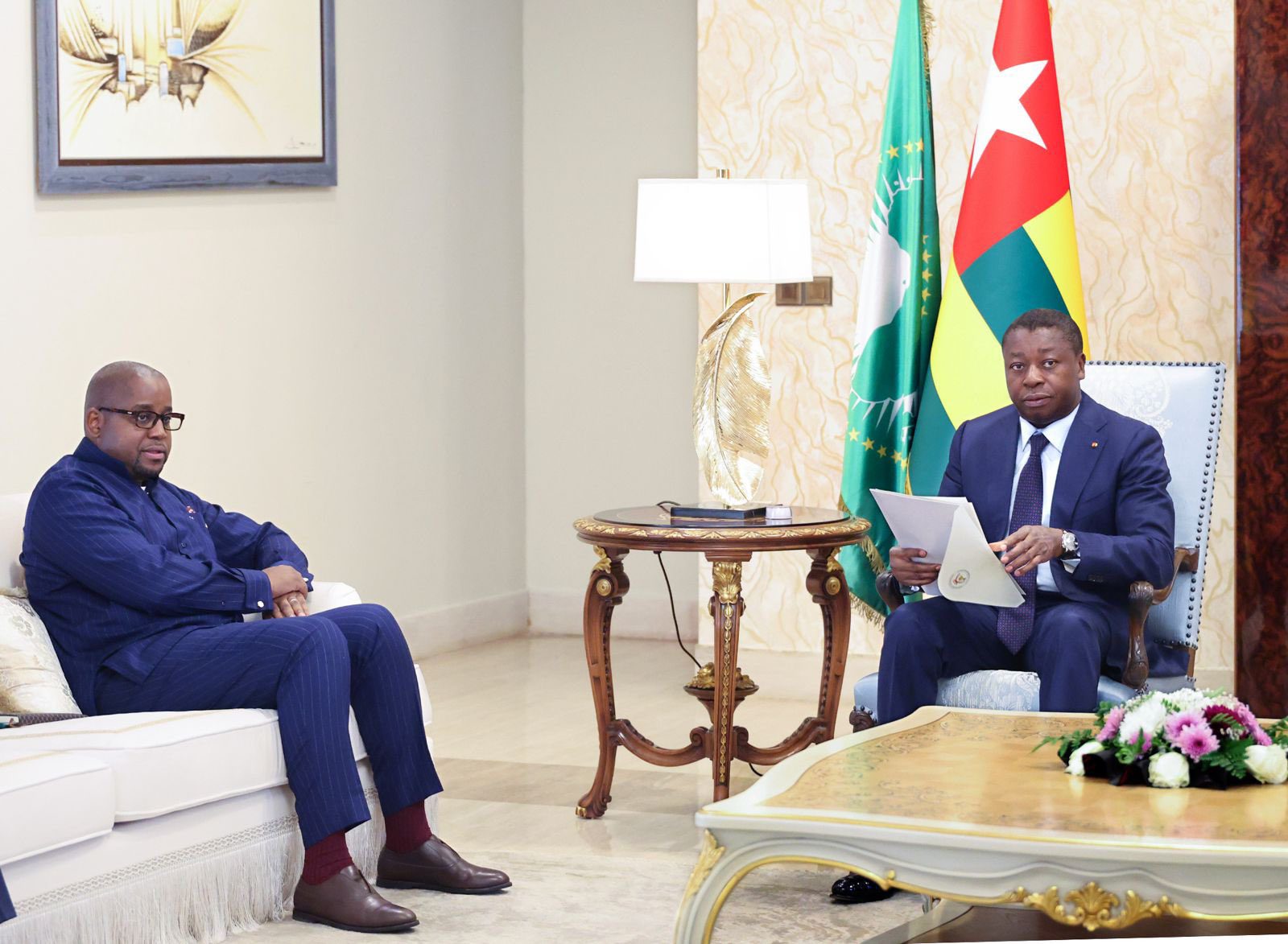
On September 29, 2026, Togolese President Faure Gnassingbé held a high-stakes meeting in Lomé with Floribert Anzuluni, Democratic Republic of the Congo’s (DRC) Minister of Regional Integration, as part of an intensified diplomatic push to address the escalating crisis in eastern Congo.
The Congolese envoy, dispatched by President Félix-Antoine Tshisekedi, presented a sealed letter to Gnassingbé outlining critical proposals for accelerating the peace process in eastern DRC. Speaking to reporters after the closed-door discussions, Anzuluni emphasized the “strategic importance” of Togo’s role in fostering African-led solutions to a conflict destabilizing the Great Lakes region.
What’s unfolding in Lomé? The meeting follows weeks of behind-the-scenes diplomacy, with Kinshasa urging swift action to curb violence in mineral-rich provinces like North Kivu, where clashes between armed factions and government forces have intensified. Gnassingbé, now in his second year as African Union mediator, has positioned Lomé as a neutral hub for negotiations, hosting regional leaders and rebel representatives alike.
The Congolese minister also briefed Gnassingbé on progress in disarmament programs targeting non-state armed groups, a key pillar of Kinshasa’s reconciliation strategy. These initiatives aim to dismantle militant networks amid accusations—swiftly denied by the government—of foreign interference fuelling instability.
Analysts note that the timing of Anzuluni’s mission reflects mounting pressure on regional mediators to deliver tangible results before the crisis spirals further. With civilian casualties rising and economic activities in eastern Congo grinding to a halt, the stakes for a breakthrough have never been higher.
Why Lomé has become the diplomatic battleground for Congo’s peace
The Togolese capital’s emergence as a negotiation hub didn’t happen accidentally. Since assuming the AU mediator role in April 2025, Gnassingbé has orchestrated a series of closed-door summits, leveraging Togo’s diplomatic neutrality to bridge divides between Congo’s warring parties. His approach contrasts with earlier failed mediation efforts, which struggled under the weight of geopolitical rivalries and shifting alliances.
Key milestones in this evolving strategy include:
- Multi-party consultations: Gnassingbé has convened grassroots leaders, civil society groups, and rebel factions—often in high-security venues outside mainstream media glare.
- Confidence-building measures: Recent weeks have seen localized ceasefires, humanitarian corridors for displaced populations, and prisoner exchanges between belligerent groups.
- Economic incentives: Regional stakeholders are exploring trade agreements to incentivize rebel groups to lay down arms, mirroring successful models from Rwanda’s post-genocide era.
Critics argue that progress remains fragile, citing reports of continued violations in the Ituri and South Kivu provinces. However, proponents of Gnassingbé’s approach highlight the “quiet diplomacy” model as a rare source of optimism amid years of stagnation.
Public reaction and the road ahead: what’s next for Congo’s peace process
The Lomé meeting has ignited a wave of speculation across African capitals—some praise it as a “turning point”, while skeptics warn of overhyped expectations. In Kinshasa, where political factions remain deeply divided, the envoy’s message is being dissected for hidden clauses or new concessions to rebel leaders.
Social media feeds in eastern Congo brim with mixed reactions: displaced families share stories of dwindling hope, while local traders in Goma and Bukavu cautiously celebrate any lull in fighting. Meanwhile, diplomats in Addis Ababa and Pretoria—key AU partners in the process—are closely monitoring Lomé’s next moves.
Gnassingbé’s office has hinted at a regional summit in October, aimed at finalizing a roadmap for disarmament and power-sharing. Yet, obstacles loom large, including:
- Fragmented rebel groups: Splinter factions, some allegedly backed by neighboring states, reject any negotiations lacking foreign troop withdrawal guarantees.
- Economic sabotage: Armed groups continue to extort miners and farmers, turning peace efforts into a secondary priority compared to immediate survival.
- Regional fatigue: After decades of failed accords, international donors are tightening purse strings for conflict resolution programs.
For now, all eyes remain on Lomé. Whether Gnassingbé’s gamble on “slow, steady mediation” can outpace the region’s cycle of violence remains an open question—but the Congolese envoy’s visit has at least shifted the narrative from deadlock to cautious dialogue.
Will Congo’s eastern peace hold?
The coming weeks will reveal whether the Togolese mediator can broker even modest gains. With civilians caught in the crossfire, the world waits to see if Lomé’s diplomatic choreography translates into real relief for the embattled provinces of eastern DRC.