
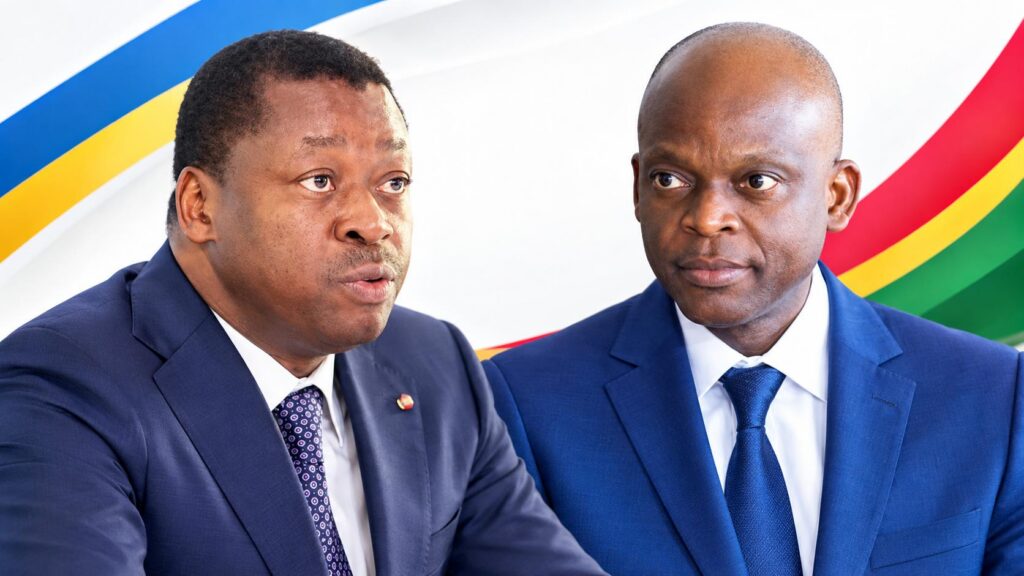
While Togolese citizens contend with a suffocating economic crisis and relentless increases in living costs, government spending on diplomacy has sparked considerable anger. Analysis of sovereignty budgets and international influence contracts suggests the effort to pass and promote the ‘new map of Africa’ at the UN cost Togolese taxpayers around US$2 million.
For months, Togo’s foreign ministry engaged in intense lobbying to push this cartographic initiative forward. But behind the triumphant rhetoric about Togo’s diplomatic influence, the financial record of the campaign reveals just how much public money was spent on what was essentially a symbolic achievement.
Breaking down the $2 million bill
Where exactly did these funds go? A close look at logistics and diplomatic operations reveals the allocation:
- International lobbying and advisory firms: To secure a spot on the UN General Assembly’s agenda and gain support from Western and Asian capitals, Lomé enlisted influence specialists in business diplomacy and crisis communication. These included public relations firms based in Paris that typically work for African presidencies and American lobbying firms in Washington, D.C., registered under the Foreign Agents Registration Act to open doors among English-speaking decision-makers. These contracts, paid in foreign currency, ran into the hundreds of thousands of dollars.
- Diplomatic tours by Robert Dussey: The foreign minister made repeated first-class trips and stays at luxury hotels in New York, Paris, Geneva, and various African capitals for direct lobbying. Private flights, generous per diems, and representation expenses for official delegations formed a substantial chunk of the spending.
- Ceremonial diplomacy and support events: Official dinners, diplomatic gifts, and hosting international delegates and experts during preparatory meetings drove up ancillary costs as the government sought to secure favourable votes.
- Communications agencies and influence media: The government funded targeted press relations campaigns in international media, sponsored opinion pieces, and organised tailor-made conferences to give the initiative academic legitimacy.
Priorities out of step with social needs
For civil society and economic observers, wasting this much money is indefensible given the country’s realities. Two million dollars—more than one billion CFA francs—could have equipped hospitals in Kara, Dapaong, or even Adetikopé that lack basic supplies, built classrooms, or funded assistance programmes for the most vulnerable households.
By prioritising prestige operations and heavy reliance on foreign consulting firms over basic needs, Togo’s leadership again highlights the disconnect between its image ambitions on the world stage and the everyday struggles of its people.
More Stories
Is Chad truly heading towards political appeasement?
Bradley Barcola will adapt faster than Florian Wirtz at Liverpool, says Jermaine Pennant
Togo eyes nuclear power to secure future energy sovereignty