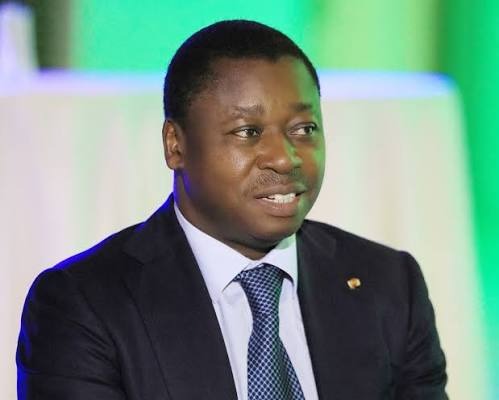
The recent constitutional shift in Lomé, celebrated as a milestone toward a fifth Republic tailor-made for the regime, is overshadowed by a far grimmer economic reality. While officials tout the nation’s macroeconomic stability and infrastructure modernization, the hardships faced by ordinary Togolese tell a starkly different story. Years of financial reliance on foreign aid and domestic mismanagement have left the country teetering on the brink of a deepening financial and social crisis.
Empty coffers and unsustainable debt
The government’s narrative of progress clashes with the mounting evidence of financial mismanagement. For over two decades, regional development banks and international donors have poured billions of CFA francs into ambitious infrastructure projects across Togo. Yet, the promised returns—whether in economic growth, job creation, or debt reduction—remain conspicuously absent.
The bustling port of Lomé often stands as the poster child of the country’s modernization efforts. However, the tangible benefits to the national budget and public debt relief have fallen far short of expectations. Instead of fueling sustainable development, a significant portion of the nation’s resources continues to be diverted to servicing a debt that grows ever more burdensome.
- Debt servicing as a financial black hole: A staggering share of the national budget is consumed by debt repayments, leaving little room for productive investments in education, healthcare, or local industries.
- Overhyped projects with limited impact: Despite repeated announcements of new infrastructure, the reality on the ground reflects a pattern of half-finished or underutilized initiatives that fail to stimulate long-term economic growth or create meaningful employment.
As one regional economist put it, “Foreign partners keep pouring funds into Togo, driven more by geopolitical and security considerations than by confidence in the country’s financial stewardship. The numbers simply don’t add up.”
The widening gap between rhetoric and reality
The disconnect between official proclamations and the lived experiences of Togolese citizens has never been more pronounced. Inflation, rising taxes on informal businesses, and a lack of economic opportunities have collectively eroded the purchasing power of households nationwide. From the crowded markets of Lomé to the remote villages of the Savanes region, families struggle to afford basic necessities, healthcare, and electricity.
The shift toward a parliamentary system and institutional reforms is widely perceived not as a move toward greater accountability but as a strategic redistribution of power within the ruling elite. With little transparency or reckoning for past financial decisions, the population bears the brunt of a system that prioritizes political continuity over economic justice.


More Stories
Mali’s war of narratives: how a once-neutral news site became a megaphone for official military spin
Senegal’s palm oil revival: how Jakarta’s expertise could end a decade of stagnation
Behind the scenes: how Gabon is reshaping EU fishing talks for stronger sovereignty