
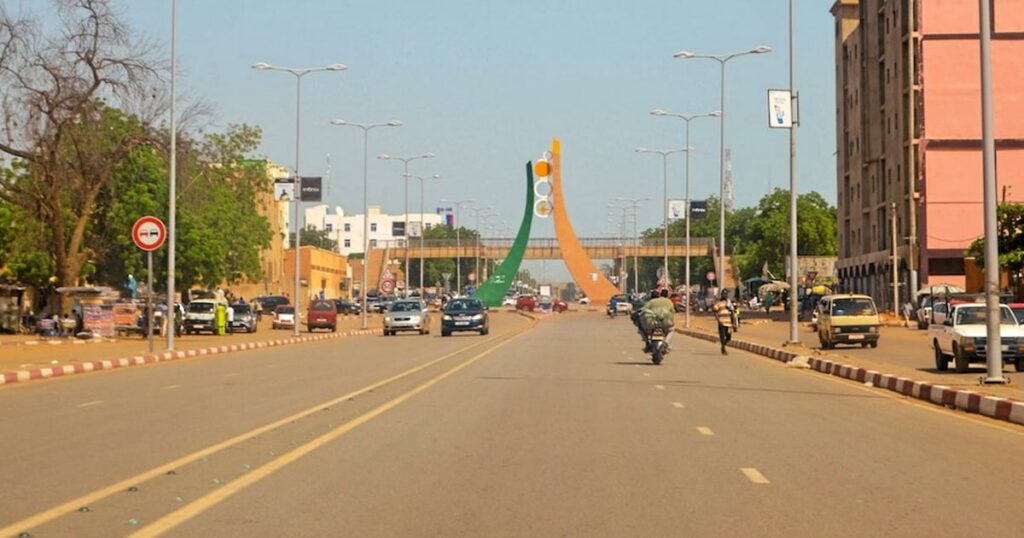
Eighteen months after the military takeover on 26 July 2023, which saw the removal of President Mohamed Bazoum, the CNSP military administration is intensifying its control over Niger. A recent investigation by Amnesty International reveals a troubling landscape of forced disappearances, unlawful detentions, and a systematic crackdown on political opposition and independent media. The report, titled “Niger. Threatened and silenced: Human rights and civic space under pressure since the July 26 coup d’état,” documents significant erosions of civil and political liberties between July 2023 and January 2025.
Critics of the regime and former government officials are facing increasing levels of intimidation. By shrinking the space for public discourse, the military leadership is deepening social divisions within Niger. Although the CNSP initially justified the coup by citing security concerns and poor governance—promising to uphold the rule of law—the current reality suggests those commitments have been abandoned.
The collapse of the rule of law
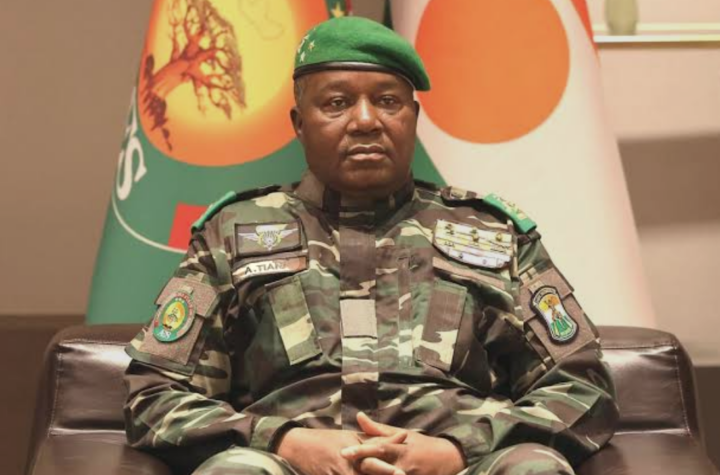
Upon seizing power, General Abdourahamane Tiani pledged to respect international human rights obligations. However, Amnesty International’s regional director for West and Central Africa, Marceau Sivieude, points out that these rights are being ignored in both law and practice. The legislative framework of the country has significantly regressed.
Following the coup, the military suspended the 2010 Constitution and dissolved key institutions like the National Human Rights Commission. This has allowed the CNSP to consolidate both executive and legislative authority, ruling primarily through restrictive decrees. One of the most contentious moves was the reinstatement of a 2019 cybercrime law in July 2024, which allows for the prosecution of citizens for “disturbing public order” through digital content—a vague term often used to target dissenters.
Even more concerning is an August 2024 ordinance that broadens the definition of terrorism and permits the state to strip individuals of their nationality. Since October 2024, 21 people, including former ministers from the Mohamed Bazoum administration, have been affected. Hamid Ngadé, a former presidential advisor, expressed that such measures essentially leave critics stateless in a country where the rule of law no longer exists. Furthermore, political pluralism has effectively vanished as all political parties remain suspended.
A regional shift in the Sahel
Niger’s political shift mirrors a wider trend in the Sahel region, following similar military takeovers in Mali and Burkina Faso. In response to international pressure and sanctions from ECOWAS, these three nations formed the Alliance of Sahel States (AES) in September 2023. This alliance has led to a pivot away from traditional partners like France and the European Union. Most recently, on 17 March, Niger, Burkina Faso, and Mali announced their departure from the International Organization of La Francophonie (OIF), following the organization’s calls for the restoration of democratic order.
Suppression of civil society and the press
The military junta has expanded its toolkit of repression to silence both activists and journalists. Intelligence services have been linked to arbitrary arrests and prolonged detentions without trial. A prominent example is the arrest of civil society leader Moussa Tchangari in December 2024, who faces up to a decade in prison on charges including “undermining state security.”
The administration has fostered a polarized environment, labeling supporters as “patriots” and critics as “stateless” or “traitors.” This climate of fear has paralyzed many non-governmental organizations in Niamey, as activists fear retaliation for any perceived criticism of the authorities.
Media under heavy surveillance
Freedom of the press has also come under direct fire. The national Press House was suspended in early 2024 and replaced by a government-aligned committee. International broadcasters such as RFI, France 24, and the BBC have faced suspensions. Individual journalists and bloggers are not safe either; Ousmane Toudou and Soumana Maïga were arrested for social media posts and, despite being civilians, were brought before military tribunals.
The result is a media landscape dominated by self-censorship. Journalists report that they must now weigh every word carefully, as there are few protections left for those who speak out. As Ousmane Diallo of Amnesty International notes, the suppression of dissent is a critical turning point for Niger. Recent proposals for a five-year transition period suggest the military intends to remain in power for the long term, further delaying any return to a constitutional democracy.
More Stories
Is Chad truly heading towards political appeasement?
Bradley Barcola will adapt faster than Florian Wirtz at Liverpool, says Jermaine Pennant
Togo eyes nuclear power to secure future energy sovereignty