Government submits historic budget to parliament as debate intensifies
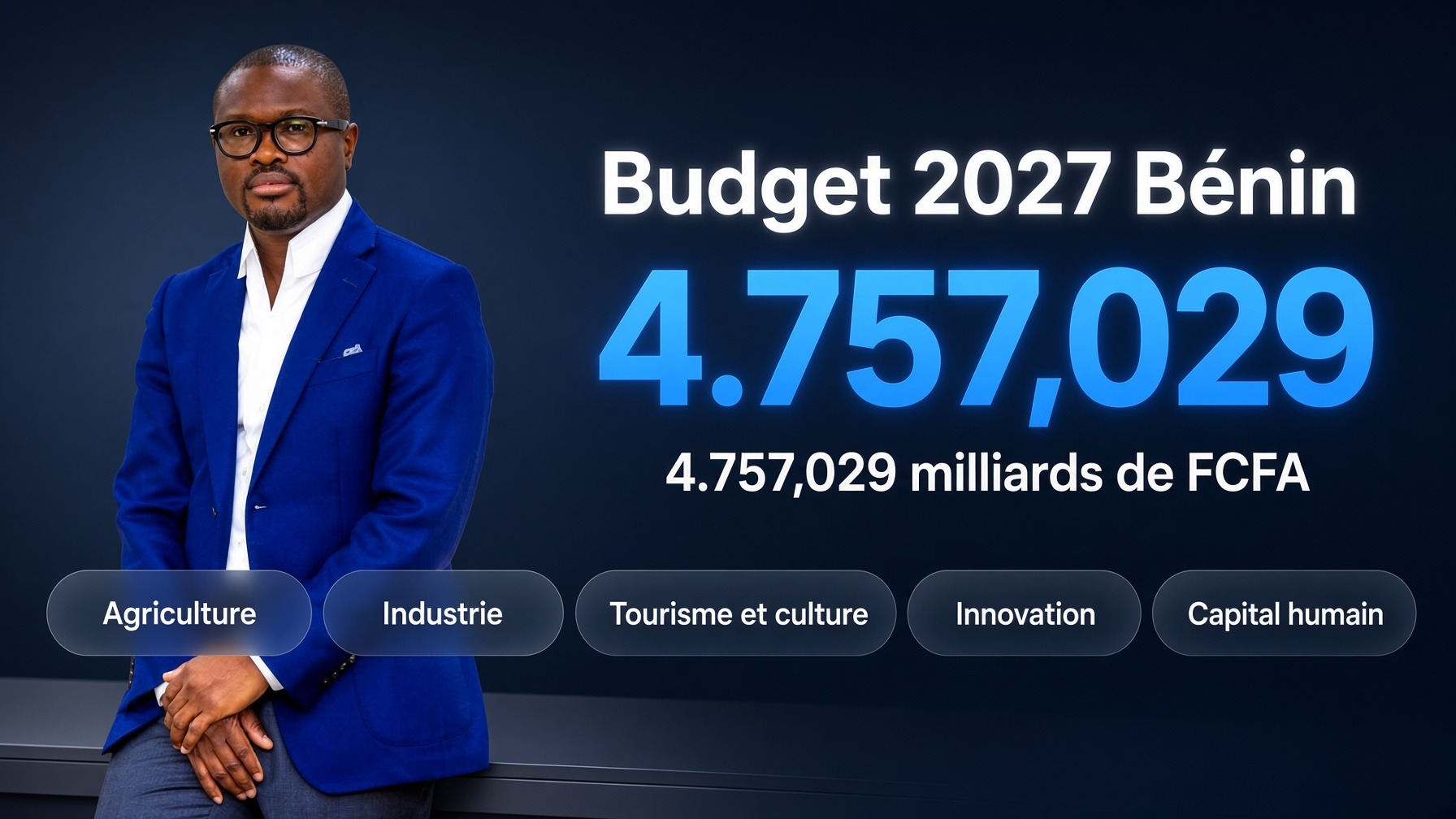
The Benin government has submitted its 2027 draft finance bill to the National Assembly, triggering immediate public discussion about the nation’s economic trajectory. With a total envelope of 4,757.029 billion FCFA—a 14.7% increase from the revised 2026 budget—this spending plan sets ambitious targets including 7.5% economic growth, a deficit capped at 2.8% of GDP, and sustained investment in key sectors. The move has drawn both support and scrutiny as citizens and analysts weigh whether this financial blueprint will deliver tangible improvements in daily life and long-term stability.
Where the budget increases will impact lives and livelihoods
Funding for social programs has risen to 1,597.533 billion FCFA, up from 1,285.37 billion in 2026. This boost targets vulnerable households through expanded cash transfers, free education for girls, school feeding programs, and emergency social support. Meanwhile, health infrastructure is getting a major upgrade with plans for five new area hospitals, nutrition programs, and expanded vaccination drives. Education is also a focus, with school rehabilitation, digital learning expansion, and teacher recruitment initiatives on the table.
Key spending priorities for 2027
- Education: Construction and rehabilitation of secondary schools, university upgrades, expanded digital learning platforms, and revised scholarship systems to align with labor market needs.
- Health: Five new regional hospitals, nutrition and vaccination programs, maternal health support, and emergency care systems.
- Social protection: Continued rollout of cash transfer programs like GBESSOKE, free secondary education for girls, and universal school meal programs.
Economic strategy hinges on five transformative pillars
The government’s approach relies on modernizing agriculture, boosting industrial output, expanding tourism and cultural industries, fostering technological innovation, and strengthening human capital. These sectors are seen as engines for job creation, productivity gains, and economic diversification. Critics point out that execution will be critical, as past initiatives have sometimes struggled with implementation delays or uneven regional impact.
Local governments gain new financial tools
Communes will receive enhanced support through the operationalization of the Municipal Investment Fund and new territorial economic zoning mechanisms. These changes aim to diversify revenue sources beyond state allocations, enabling more predictable, transparent funding for community-led projects. The reforms align with ongoing decentralization efforts to bring decision-making closer to citizens.
Can the numbers translate into real progress?
Stakeholders remain divided over whether the budget’s scale can overcome execution challenges. Supporters highlight the 7.5% growth target and controlled inflation at 2.0% as signs of prudent planning. Opponents question whether fiscal discipline will persist amid ambitious investment goals and social spending hikes. As parliament reviews the bill, all eyes are on whether this financial roadmap will translate into more jobs, stronger infrastructure, and lasting poverty reduction across Benin.
What comes next: the parliamentary process and public expectations
The National Assembly now has responsibility for reviewing, amending, and approving the budget. This phase will test the government’s ability to build consensus on national priorities while addressing concerns about fiscal sustainability and equitable distribution of resources. Public engagement during debates and hearings will shape the final version, with citizens monitoring closely to ensure promises of improved living standards are met.