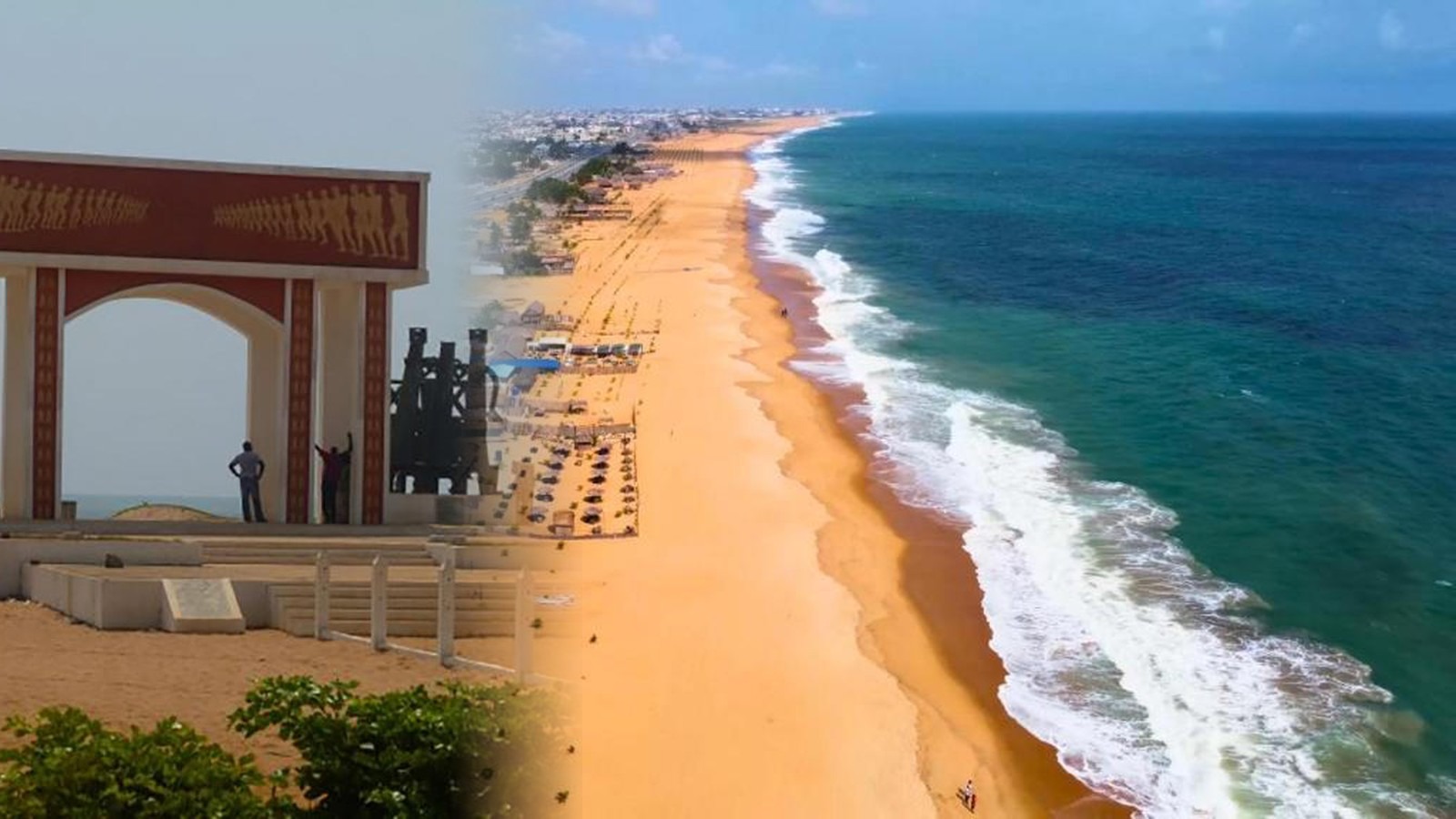
The government of Benin has taken a decisive step toward reshaping a vital stretch of its coastline, sparking public debate over how development and environmental conservation can coexist. The newly established authority tasked with overseeing the stretch between Fidjrossè and Ouidah faces intense scrutiny as stakeholders weigh the promise of economic growth against the risks to fragile ecosystems.
From natural landscapes to a development hotspot
The coastal corridor linking Fidjrossè to Ouidah has long been known for its vital wetlands and thriving local communities. In recent years, however, this once tranquil coastline has transformed into a focal point for infrastructure projects, urban expansion, and tourism investment. While these changes have fueled economic ambitions, they have also brought challenges—particularly in managing the tension between progress and environmental preservation.
Roads, sanitation systems, landscaping initiatives, and tourist facilities now dot the landscape, altering the region’s natural character. Yet the rapid pace of urbanization has raised concerns, especially regarding the encroachment on marshes and wetlands that serve as natural water regulators. Without careful management, these areas risk losing their ability to absorb heavy rainfall, increasing the threat of flooding across the region.
The environmental stakes: why wetlands matter
Marshes and other wetlands in the Fidjrossè–Ouidah stretch are not merely undeveloped land waiting for construction. They perform critical functions, including regulating water flow and buffering coastal communities from extreme weather events. However, unchecked urban expansion and haphazard land occupation have eroded these natural defenses.
Government reports highlight alarming levels of unauthorized construction in protected zones, particularly in wetland areas. These encroachments reduce the region’s resilience to flooding—a concern that has intensified as climate patterns shift and rainfall becomes more unpredictable. The new authority aims to curb further degradation by enforcing stricter controls on land use and development in sensitive zones.
Tackling erosion and coastal threats
The challenges extend beyond flooding. The coastline is also vulnerable to coastal erosion and marine submersion, phenomena that threaten to destabilize the shoreline and impact local livelihoods. The newly formed governing body will collaborate with environmental agencies to implement protective measures, such as reinforced dunes and coastal barriers, while monitoring pollution risks and environmental degradation.
A priority will be the preservation of dune systems and coastal ecosystems, whose health is directly tied to the long-term sustainability of tourism infrastructure. By addressing these threats proactively, the authority hopes to safeguard both the environment and the economic investments planned for the region.
Urbanization under scrutiny: tighter controls for sustainable growth
The authority’s mandate goes beyond environmental protection—it extends to reshaping how development unfolds. With urbanization pressures mounting, the new body will enforce strict urban planning regulations, ensuring that construction projects align with environmental safeguards and architectural guidelines tailored for coastal zones.
One key responsibility will be reviewing applications for temporary land use in maritime and lagoon public domains. No project in these areas will proceed without the authority’s formal approval, a move designed to prevent unchecked commercial or residential expansion that could undermine ecological balance. This level of oversight is intended to strike a balance between Benin’s development goals and the need to protect its coastal heritage.
Tourism’s future: growth with a conscience
Tourism remains central to Benin’s strategy for the Fidjrossè–Ouidah corridor, often referred to as the Route des Pêches. The new authority will play a pivotal role in shaping this sector, approving projects for hotels, cultural venues, recreational facilities, and commercial activities along the coast. The goal is not to stifle growth but to ensure it is sustainable—balancing tourism expansion with conservation priorities.
This approach reflects a broader shift in Benin’s development philosophy: tourism must enhance local economies without sacrificing the natural beauty and ecological resilience that attract visitors in the first place. By coordinating closely with investors and local governments, the authority aims to create a model of responsible tourism that other coastal regions can emulate.
Public-private partnership: funding the vision
To turn these plans into reality, Benin is banking on public-private partnerships to fund and operate future infrastructure. The new authority will facilitate collaborations between government agencies and private investors, focusing on projects that align with sustainability goals. This model could unlock critical funding for facilities like eco-resorts, water treatment plants, and conservation programs along the coast.
Success, however, hinges on more than financial investment. It requires a commitment to environmental stewardship—a commitment that will be tested as urban and tourism pressures continue to mount. The authority’s effectiveness will be judged not just by the projects it approves, but by how well it preserves the ecological integrity of the coastline for future generations.
What’s next for Benin’s coastline?
The authority’s statutes have received cabinet approval, marking the beginning of a new chapter in coastal management. Now, the focus shifts to implementation: recruiting staff, establishing operational frameworks, and coordinating with ministries to ensure the body’s policies take effect. The stakes are high, as the Fidjrossè–Ouidah corridor stands at the intersection of Benin’s economic ambitions and its environmental responsibilities.
Can the country strike the right balance? The outcome will set a precedent for how Benin—and the wider region—navigates the delicate interplay between development and conservation in an era of climate change. One thing is certain: the decisions made today will shape the coastline—and the lives of those who depend on it—tomorrow.