
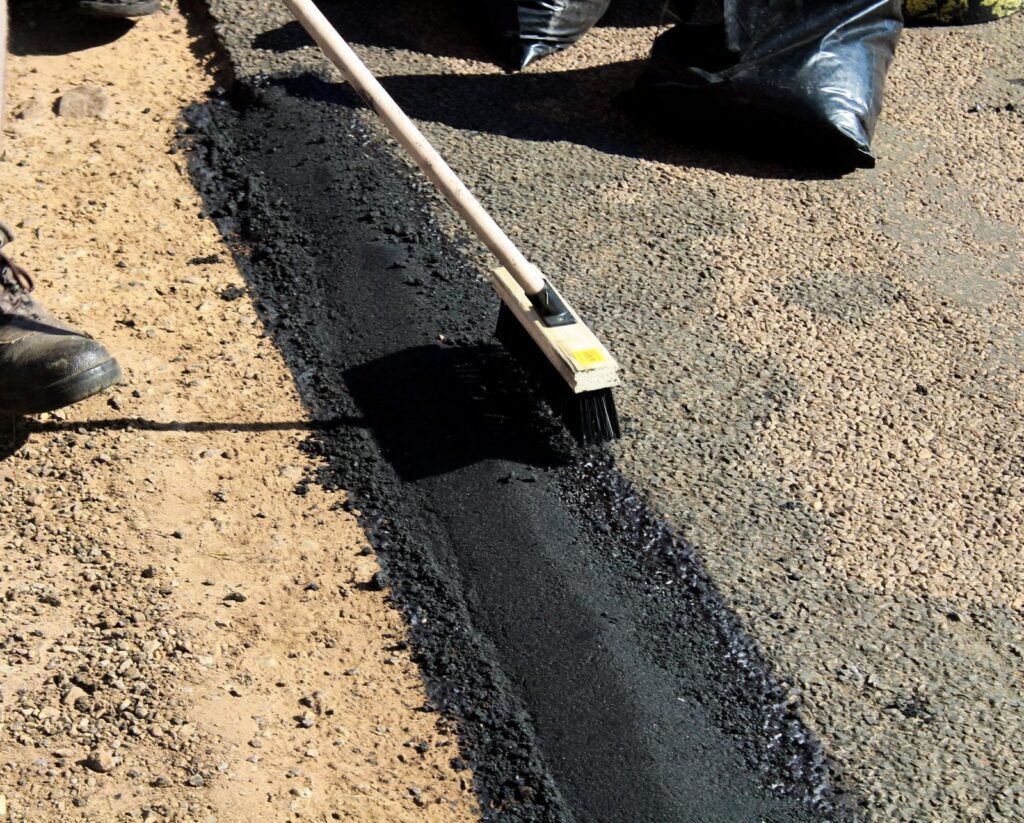
Cameroon is embarking on an ambitious infrastructure push, averaging 488 kilometers of paved roads constructed each year between 2020 and the close of 2025. This consistent pace underscores Yaoundé’s territorial development strategy, designed to significantly reduce the persistent deficit in road infrastructure. For a nation of Cameroon’s vast size and its crucial role in sub-regional logistics, the existing paved network remains largely insufficient, making this drive a pivotal step towards enhanced connectivity.
Structuring the national network through consistent paving
Over the specified timeframe, the cumulative effort is projected to deliver nearly 2,928 kilometers of new asphalted surfaces, based on the annual average reported. This substantial progress coincides with a flurry of project announcements from the Ministry of Public Works and the Ministry of Economy, encompassing vital interurban arteries, urban access roads, and regional links. In the Cameroonian context, road paving holds both political and economic weight. It is essential for providing access to agricultural heartlands, ensuring the smooth flow of export corridors, and connecting previously isolated regions, particularly in the North and East.
The nation’s road network, historically dominated by unpaved tracks, is gradually seeing its core infrastructure strengthened with asphalt. The average of 488 kilometers per year represents a significant improvement compared to past performance, which was often hampered by delays in major projects funded by international partners. Nevertheless, the proportion of paved roads relative to the total classified network still lags behind standards observed in several comparable CEMAC countries, maintaining pressure on the executive to continue this vital work.
Logistics corridors and regional competitiveness
The impact of this road development transcends national borders. Cameroon functions as a critical logistical hub for landlocked Chad and the Central African Republic, with a substantial volume of their supplies transiting through the port of Douala. Every kilometer paved on key corridors like Douala-N’Djamena and Douala-Bangui directly translates into reduced transport costs, shorter travel times, and greater predictability for shippers. Port operators and road transporters often adjust their rates based on road quality, as rapid degradation during the rainy season heavily impacts their profit margins, making these improvements vital for the broader African economy news.
This dynamic paving initiative also supports Cameroon’s National Development Strategy 2030, which identifies the densification of the road network as a prerequisite for industrialization. Agro-industrial zones in the South-West, Littoral, and Grand North depend heavily on quality road links to transport their produce to domestic markets and export ports. Furthermore, robust road connectivity is a major determinant of attractiveness for mining and forestry investors, who closely assess the conditions for evacuating raw materials.
Financing, debt, and sustainability of the model
Beyond the kilometers delivered lies the crucial question of funding. Cameroonian road projects combine diverse financial sources, including domestic budgetary allocations, concessional loans from the World Bank and the African Development Bank, bilateral lenders, and Chinese financing backed by Eximbank China. While this multi-faceted approach effectively mobilizes significant capital rapidly, it also increases the public debt burden, necessitating strict budgetary discipline to safeguard future fiscal flexibility.
The sustainability of the current pace hinges on the government’s ability to honor its commitments to contracting companies, many of whom have publicly reported payment arrears in recent years. Equally critical is the issue of road maintenance: without sustained funding for the Road Fund and a systematic maintenance policy, newly paved kilometers can degrade within five to seven years, turning initial investments into latent liabilities. Recognizing this, Cameroonian authorities have announced plans to strengthen toll mechanisms and dedicated levies to secure maintenance resources.
It remains to be seen whether the annual pace of 488 kilometers can be sustained, or even accelerated, amidst budgetary constraints and the considerable demand for secondary infrastructure, particularly rural roads, across this vital nation in Africa.




More Stories
Is Chad truly heading towards political appeasement?
Bradley Barcola will adapt faster than Florian Wirtz at Liverpool, says Jermaine Pennant
Togo eyes nuclear power to secure future energy sovereignty