
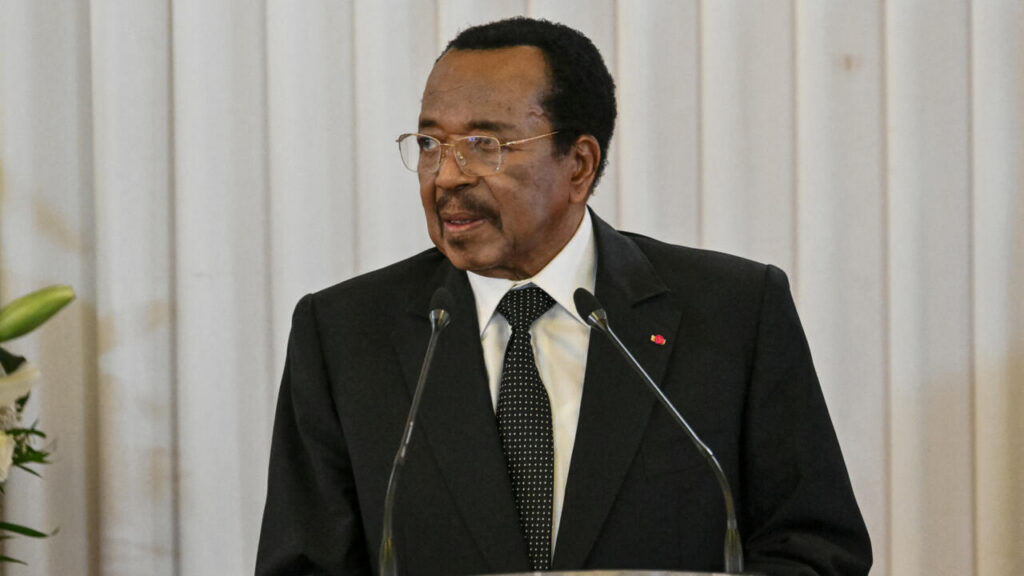
Since June 7, Cameroon’s 93-year-old president Paul Biya has not been seen in public. His last appearance coincided with the announcement of a brief private trip to Europe through the official Cameroon Tribune newspaper. Yet over 50 days later, neither his exact location nor an expected return date has been disclosed. The prolonged silence and lack of clarity from government authorities have sparked intense speculation and growing unease across the nation.
Unanswered questions fuel political uncertainty
The absence of a sitting head of state of such advanced age raises pressing constitutional and administrative concerns. Opposition parties and political observers have gone further, using terms like “power vacuum”, “autopilot governance”, and even “remote working government” to describe the current state of affairs. These expressions underscore the deep disquiet over who is truly steering national affairs during this prolonged absence.
What does Cameroon’s Constitution say about prolonged presidential absence?
The Constitution of Cameroon outlines procedures in cases of temporary or permanent incapacitation of the president. However, the ambiguity surrounding Paul Biya’s situation—neither officially confirmed as illness, incapacitation, nor clearly defined as a private absence—leaves room for interpretation and anxiety. Is this a constitutional grey area? Could it trigger institutional instability? These are questions that analysts and citizens alike are now asking with increasing urgency.
Consequences for national decision-making
The prolonged void at the highest level of leadership is already being felt in critical sectors. Key files, including economic reforms, security policy, and international engagements, appear to be on hold. This paralysis risks not only delaying urgent national priorities but also eroding public confidence in the functioning of the state. The lack of transparency only deepens the sense of uncertainty among Cameroonians and international observers.
With no official communication update, rumors continue to circulate. Some suggest health concerns, others point to geopolitical pressures, and a few whisper of internal power struggles within the ruling camp. What is certain is that the longer the silence persists, the more fragile the situation becomes—not just for the presidency, but for the entire Cameroonian nation.
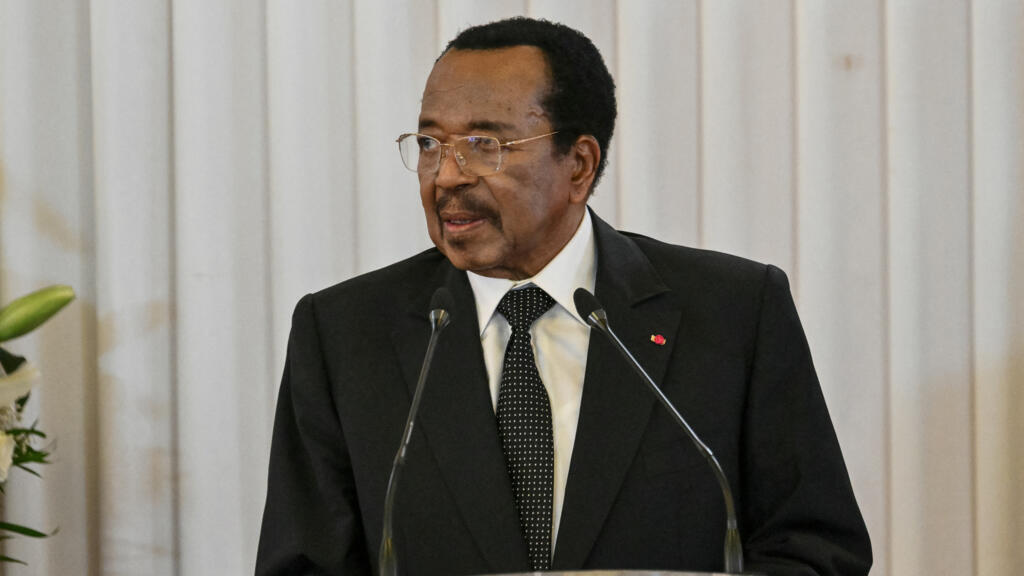
In the absence of official updates, one thing is clear: Cameroon stands at a crossroads, where prolonged silence from the presidency is no longer just a matter of protocol—it has become a matter of national stability.


More Stories
Mali: près de 80 soldats tués dans l’attaque de Dioura
Côte d’Ivoire : le Burida prépare une distribution record de 795,4 millions FCFA
Paris FC vs Lyon: kick-off time and TV channel for the Ligue 1 matchday 4 clash