After delays and debate, new funding sparks cautious optimism for Cotonou’s stalled traffic relief project
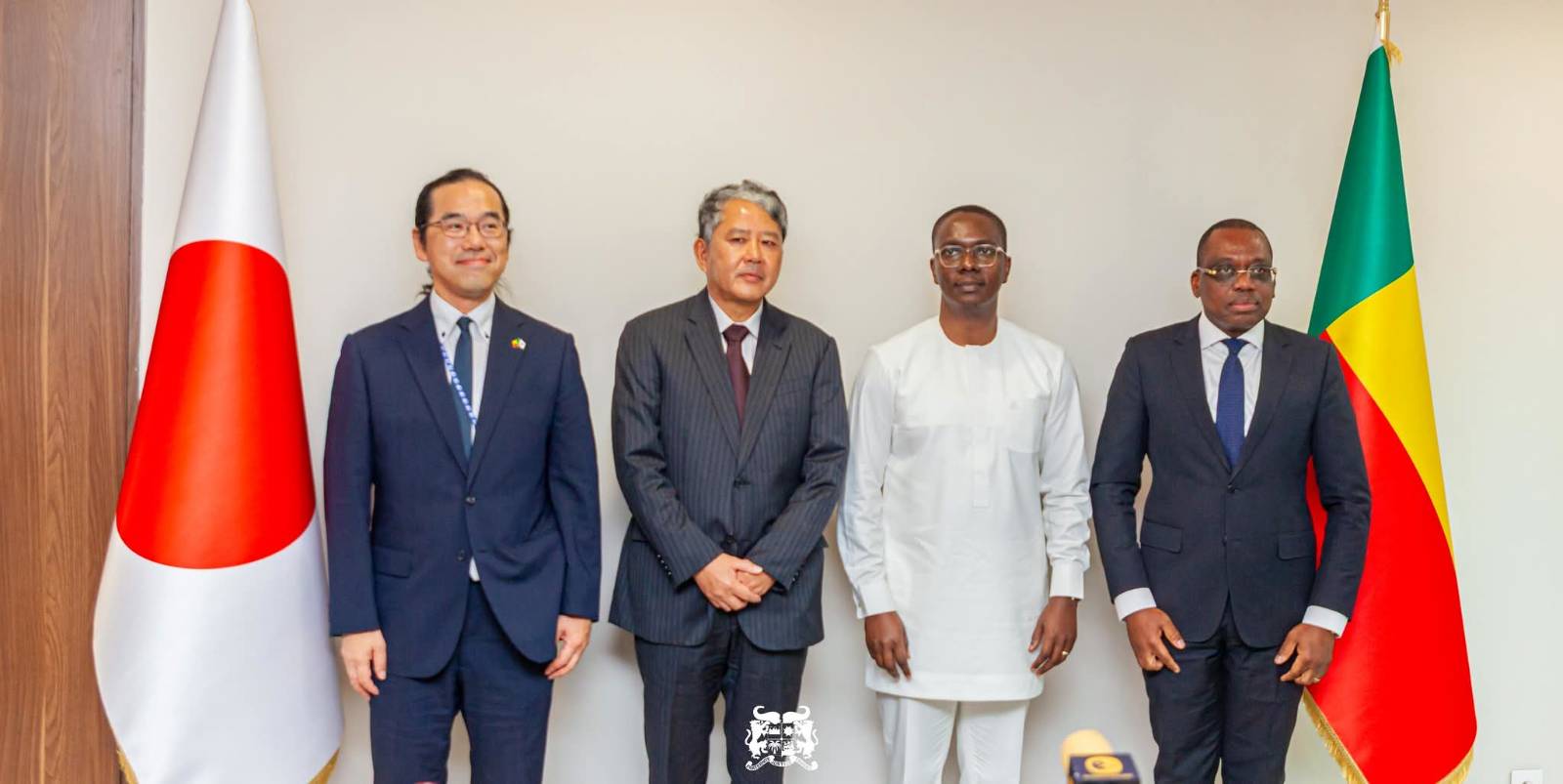
Cotonou’s long-awaited solution to one of its most congested intersections has taken a critical step forward. The announcement of an $18 million (10.8 billion FCFA) Japanese grant to fund phase two of the Vêdoko interchange project has reignited public discussion about whether the infrastructure will finally deliver on its promises of smoother commutes. With total funding now reaching $44.25 million (26.228 billion FCFA), officials insist the project remains on track—but skeptics question whether the improvements will match citizens’ expectations.
The surprise infusion of funds comes after years of growing frustration over persistent gridlock in the Vêdoko area, a vital transit hub where commuters, traders, and public transport drivers navigate some of Cotonou’s most chaotic traffic daily. The timing of the announcement—and the broader reaction it has provoked—underscore the project’s high stakes: not just as a construction milestone, but as a litmus test for urban development in Benin’s economic heartland.
From symbolic pledge to concrete plan: how the latest funding shifts the conversation
The October 9 funding agreement signed between Benin and Japan marks a pivotal moment in the project’s troubled timeline. While construction officially began in October 2025, critics have increasingly voiced concerns over cost overruns, delayed timelines, and whether the design will adequately address the root causes of congestion. The new funds—earmarked for a key East-West overpass and associated drainage and road works—have now opened a new phase of debate: is this enough to transform Vêdoko into a model of urban mobility, or will it merely become another unfinished legacy of good intentions?
Local business owners, daily commuters, and urban planners are divided. Some praise the forward momentum, arguing that even incremental improvements could ease the burden on thousands of daily travelers. Others warn that without stronger oversight and better integration with broader traffic management strategies, the interchange could become a traffic bottleneck itself—shifting congestion rather than eliminating it.
What’s really changing for drivers and commuters?
The project’s core ambition is clear: reduce bottlenecks by creating a grade-separated crossing at Vêdoko, freeing up surface-level intersections that currently channel thousands of vehicles, motorcycles, and taxis into a single chokepoint. But success will depend on more than just engineering. The ripple effects of the interchange—including changes in driving behavior, rerouting by commuters, and adaptation of local businesses—will shape whether the project meets its goals.
Among the most anticipated benefits:
- Reduced travel time: Commuters may reclaim lost hours during peak hours.
- More predictable schedules: Traders and delivery drivers could better plan logistics.
- Lower fuel costs: Less time idling in traffic could translate to real savings.
- Safer streets: A dedicated overpass could reduce accidents linked to conflicting vehicle flows.
- Environmental relief: Smoother traffic could mean fewer emissions from stop-and-go congestion.
Yet these benefits remain potential outcomes, not guarantees. The project’s true measure of success will be visible only after full completion—and long after the ribbon-cutting ceremony.
Community concerns: construction disruptions and the long shadow of delayed promises
For residents and businesses near Vêdoko, the road ahead is anything but smooth. Construction zones create noise, dust, and temporary rerouting that disrupt lives now, in exchange for better roads later. With the second phase now funded, officials face an urgent challenge: managing traffic during construction without making the situation worse than the congestion they aim to fix.
Clear communication will be key. Drivers, motorcyclists, and pedestrians need reliable, real-time information on detours, lane closures, and temporary traffic signals. Poor signage or last-minute changes risk turning construction delays into public frustration—before the interchange even opens.
Community leaders have already called for transparency in daily traffic updates and responsive feedback mechanisms to address emerging issues quickly.
Beyond the bridge: Japan’s role in shaping Benin’s urban future
The renewed Japanese investment reflects a broader partnership aimed at modernizing Benin’s infrastructure. Beyond financial support, the project includes provisions for technology transfer and collaboration between Japanese and Beninese engineering teams, signaling a long-term commitment to capacity building.
But funding alone won’t solve Cotonou’s mobility crisis. Experts emphasize the need for an integrated urban transport policy—one that pairs physical infrastructure with traffic regulation, public transit improvements, and sustainable urban planning. Without coordination, even the most advanced interchange could become obsolete within years.
The partnership’s ultimate legacy may hinge on whether this project becomes the first step in a wider transformation—or remains an isolated success story in a city still struggling with systemic transport challenges.
What’s next: turning funding into flow
With construction already underway and new financing secured, the focus now shifts from funding to execution. The coming months will reveal whether the project can balance speed with quality, ambition with realism, and vision with daily practicality.
For Cotonou’s residents, the wait continues. But with each passing day of construction—and with every funded milestone—the question grows louder: will Vêdoko finally get the traffic relief it needs, or will the interchange become just another symbol of unmet expectations in a city racing to modernize?
The answer won’t come from funding announcements alone. It will be written in the daily lives of the thousands who pass through Vêdoko every day—and in whether their journeys become shorter, safer, and more predictable.