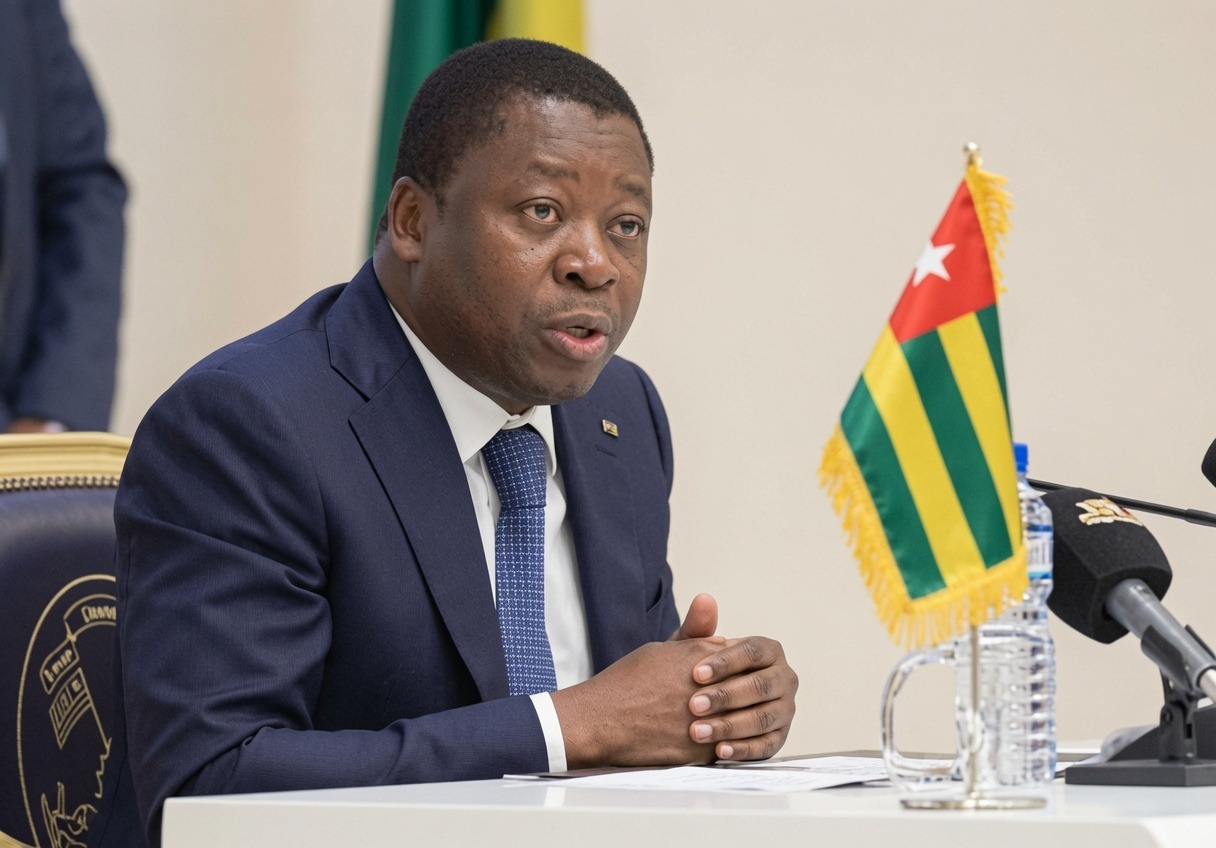
Between October 9 and 16, 2026, Togolese leaders face a critical test during Faure Gnassingbé’s official visit to China. Beyond the ceremonial handshakes and carefully crafted communiqués, the real question for Lomé’s citizens remains unanswered: when will the promised dividends of this strategic partnership finally materialize in everyday life?
From diplomatic handshakes to living-room realities
Faure Gnassingbé arrives in Beijing with a well-rehearsed script: high-level meetings, economic forums, and visits to Chinese industrial hubs. The stated goal is to deepen a partnership that has defined Togolese-Chinese relations for over half a century—ever since diplomatic ties were established in 1972. In 2024, the relationship was elevated to a “comprehensive strategic partnership,” signaling new ambitions for trade, infrastructure, and technology exchange.
Yet diplomatic choreography alone cannot deliver electricity to rural homes, reduce youth unemployment, or stabilize household incomes. While Togo benefits from its position as a West African logistics gateway—thanks to the modernized Port of Lomé—many citizens wonder why their living standards have not evolved in lockstep with the volume of trade. The visit must move beyond symbolism if it is to address this gap between diplomatic rhetoric and tangible progress.
Five key sectors where promises must meet performance
The Chinese delegation and Togolese officials are expected to focus on sectors identified as transformative for the national economy:
- Agriculture and agro-processing: Can Togo shift from importing rice and fertilizers to becoming a net exporter through Chinese investment in processing facilities and technology transfer?
- Energy infrastructure: Will the proposed solar and grid expansion projects finally bring affordable, reliable power to businesses and homes outside the capital?
- Port and transport modernization: With Lomé’s port already West Africa’s busiest in container traffic, how will new Chinese loans and expertise accelerate customs clearance and reduce transit delays?
- Industrial parks and local manufacturing: Can agreements signed during the visit ensure that Togolese enterprises—not just foreign contractors—win contracts, hire workers, and build technical expertise?
- Digital and green tech adoption: Will Togo avoid the trap of importing obsolete technology? Or will cooperation include training for engineers and entrepreneurs to build domestic capacity?
Jobs, wages, and the test of time
The most pressing demand from citizens is employment. With nearly half the population under 25, Togo’s economy cannot rely on agricultural subsistence alone. Every agreement must answer three questions:
- How many jobs will this project create?
- What percentage of contracts will go to Togolese firms and workers?
- What local training programs will ensure lasting benefits, rather than short-term foreign labor?
Without clear benchmarks and enforceable timelines, even the most ambitious investment pledges risk becoming empty commitments—another layer of diplomatic paperwork with no visible impact on daily life.
Accountability as the missing ingredient
This visit occurs against the backdrop of Togo’s evolving political landscape. The 2025 constitutional reforms that reshaped governance—placing Faure Gnassingbé at the helm as president of the Council—have raised expectations for governance reform and transparency. Citizens now expect not only new partnerships, but proof that existing ones deliver measurable results.
Public scrutiny is intensifying. Social media platforms bristle with skepticism. Opposition voices question whether Chinese loans, often negotiated without full parliamentary debate, have led to sustainable growth or merely increased external debt. This visit offers an opportunity to address those concerns head-on.
The transparency imperative: from signing to implementation
For any agreement to be taken seriously, Lomé must publish the full terms: funding sources, repayment schedules, contractor selection criteria, and—crucially—third-party audits to prevent mismanagement. Without such disclosures, the risk of corruption allegations and project delays looms large.
Transparency is not just a bureaucratic ideal; it is the bridge between diplomatic photo ops and lasting public trust. Citizens deserve to know not only what was promised in Beijing, but how and when those promises will materialize in hospitals, classrooms, and paychecks.
Beyond Beijing: what comes next?
The true test of this visit will unfold not during the red-carpet moments in Beijing, but in Lomé’s ministerial offices and factory floors over the coming months. Will Chinese and Togolese teams establish joint monitoring committees? Will progress reports be published quarterly, with clear metrics on job creation, export growth, and infrastructure delivery?
The October 2026 visit could mark a turning point—or merely another chapter in a long history of surface-level cooperation. The difference will be measured not in the number of memoranda signed, but in the number of Lomé residents who can finally afford a better life.
One question now hangs in the balance: will this trip deliver more than a diplomatic photo album, or will it begin to rewrite the economic narrative of a nation waiting for change?