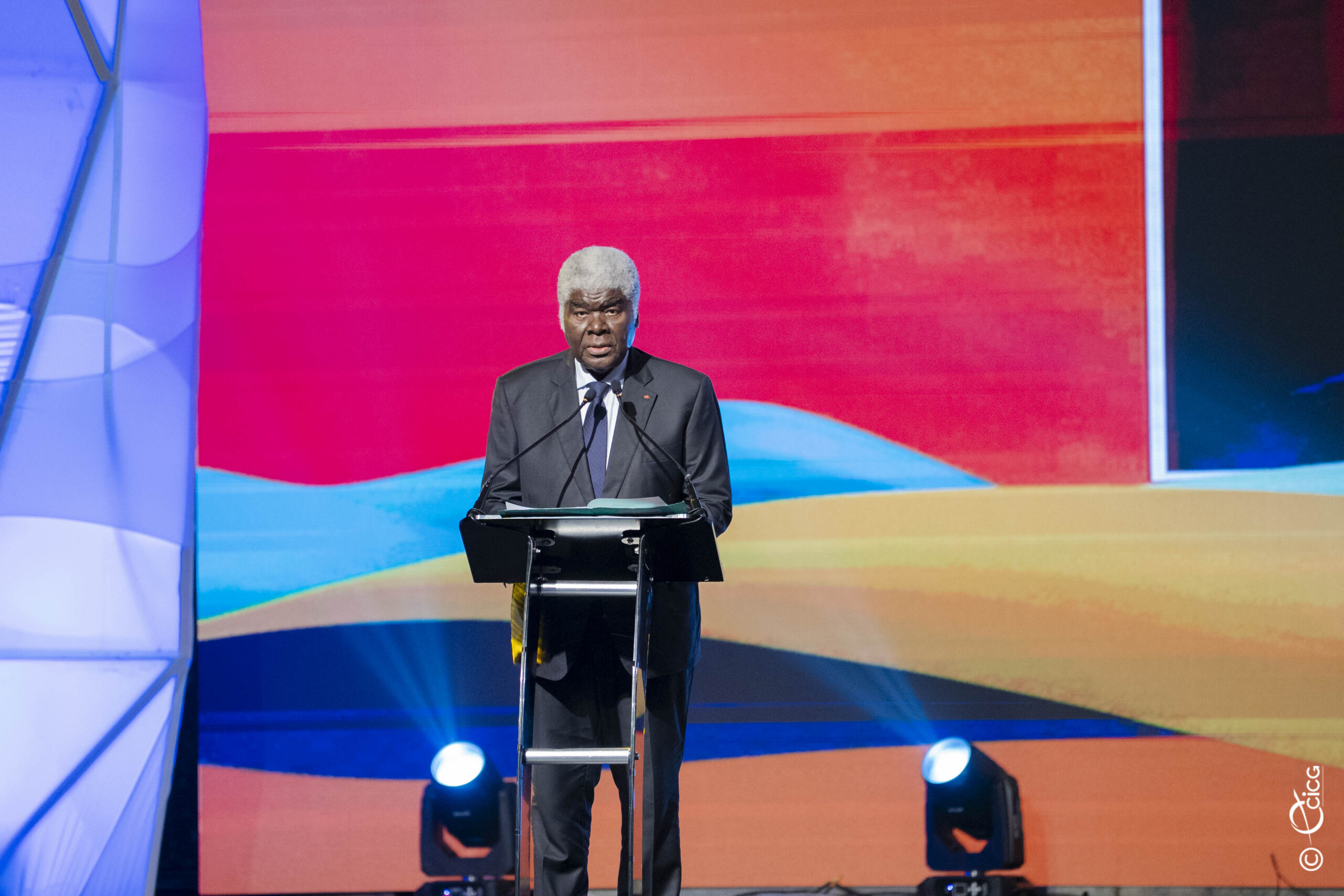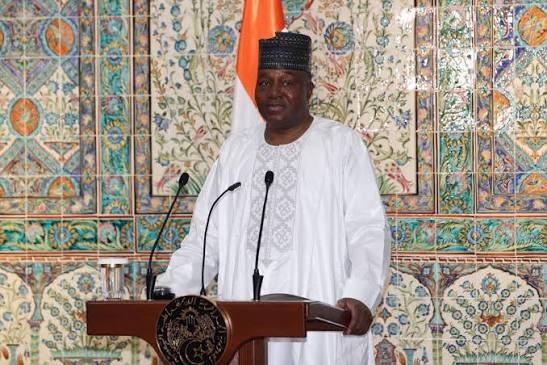
The ceremony held at the presidential palace marked the official installation of Edith Laure Mbiguidi Oyaya as the new Director-General of Gabon’s tax authority (DGI). During the handover meeting with the incoming leadership team, President Brice Clotaire Oligui Nguema elevated tax reform to a national priority, positioning it as the cornerstone for financing public policies. The message to senior civil servants was unambiguous: enhancing domestic revenue mobilization now ranks as the government’s top strategic objective.
Tax administration as a catalyst for economic transformation
In his address to the DGI’s new leadership, the Head of State emphasized that tax policy directly determines the government’s ability to fulfill its commitments across infrastructure, education, healthcare and economic sovereignty. With Libreville pursuing ambitious plans to reduce reliance on oil revenues, expanding the tax base and improving collection efficiency have become critical national priorities. The DGI is no longer seen merely as a revenue collector but as a key instrument for fiscal governance and macroeconomic stability.
The President underscored the transformative nature of the DGI’s mandate, demanding both operational excellence and unwavering ethical standards. Key expectations include intensified efforts to combat tax evasion, streamline administrative procedures and enhance transparency for taxpayers. The goal is clear: transitioning the tax authority from a traditionally rigid bureaucracy to an enabler of business growth and economic competitiveness.
Edith Laure Mbiguidi Oyaya inherits a demanding fiscal landscape
Edith Laure Mbiguidi Oyaya assumes leadership of Gabon’s tax administration at a pivotal moment, as the country works to restore financial stability following periods of liquidity constraints and negotiations with multilateral lenders. The new DGI chief inherits an institution whose performance will shape both public debt sustainability and the state’s investment capacity. Her success will depend not only on the technical resources at her disposal but also on sustained political backing to overcome entrenched bureaucratic resistance.
The leadership team’s immediate priorities include accelerating the digitalization of tax filings, implementing robust payment tracking systems, reforming the tax regime for extractive industries and aligning Gabon’s fiscal policies with CEMAC regional standards. While these initiatives are not new, their accelerated implementation has become essential to reinforcing the credibility of the government’s economic reform agenda. The DGI is also involved in technical cooperation programs with international partners, including the International Monetary Fund.
Fiscal policy as the backbone of Gabon’s socioeconomic vision
Since assuming office in mid-2023 and securing re-election in April 2025, President Brice Clotaire Oligui Nguema has consistently positioned fiscal sovereignty as a defining element of his political vision. The government’s official narrative links economic transformation, social justice and equitable redistribution—all of which depend on increasing and more fairly distributing tax revenues. In practice, Libreville aims to shift the burden toward high-value sectors while easing pressures on low-income households.
Yet Gabon faces persistent structural challenges. The economy remains heavily informal, the taxpayer base is narrow and oil revenues continue to dominate public finances. Expanding the tax base will require a balanced approach: incentivizing formalization, simplifying compliance procedures and selectively enforcing stricter oversight. The new DGI leadership must navigate the delicate balance between achieving immediate revenue gains and implementing long-term structural reforms, all while delivering visible results to meet the executive’s high expectations.
The presidential endorsement of the DGI leadership sends a strong signal to international partners. By publicly backing the new team, the Head of State aims to reinforce confidence in Gabon’s commitment to fiscal governance. The trajectory of non-oil revenues will be closely monitored as an early indicator of the government’s economic reform momentum. The President has explicitly characterized the DGI’s mission as pivotal to the nation’s transformation journey.