Libreville, November 2026 — Gabon’s campaign to host the 2027 African Union (AU) summit is no longer just a diplomatic effort confined to government corridors. The push has now expanded into the political arena, with opposition parties and continental networks mobilizing to strengthen Libreville’s bid. At the heart of this evolving strategy is a calculated bid to position Gabon as a central player in Africa’s institutional future, a move that has ignited both support and skepticism across the continent.
The widening debate: who really benefits from Libreville’s AU ambitions?
The African Union’s upcoming decision on the host of its 2027 summit has become a lightning rod for political debate. While official AU bodies deliberate over logistical feasibility and continental priorities, Gabon’s political class is actively engaging with influential partners across Africa. A recent high-profile mission to Addis Ababa—led by Front Démocratique Socialiste (FDS) President Anges Kevin Nzigou—underscores how this bid has transcended partisan lines and entered the realm of public diplomacy.
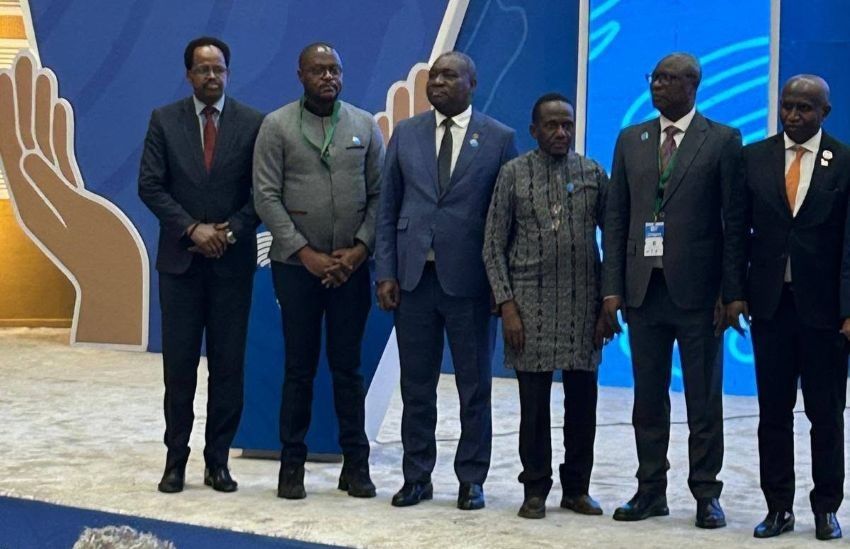
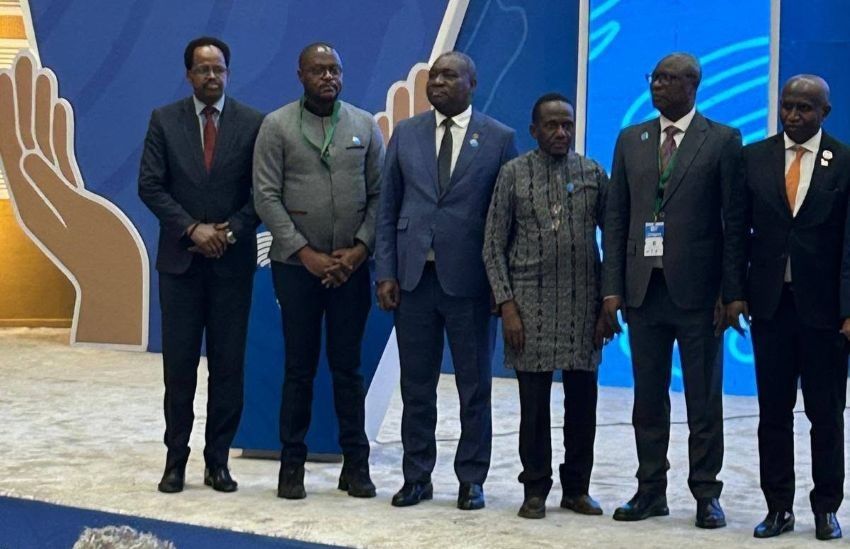
During the African Political Parties Summit (APPS 2026) held in early November, Nzigou held strategic meetings with key continental figures, including Dr. Fateh Boutbig, President of the Pan-African Parliament, and Lilly Stella Ngyema Ndong, Gabon’s Permanent Representative to the AU. These engagements were not mere courtesies; they were deliberate efforts to integrate Gabon’s bid into broader political and institutional networks. The message was clear: Libreville’s bid is not just a government initiative—it is a national priority backed by multiple political forces.
A fifty-year vision: why 2027 matters for Gabon and Africa
Gabon’s push for the 2027 summit is steeped in historical symbolism. Fifty years after hosting the Organization of African Unity (OAU) summit in 1977, Libreville seeks to reclaim its role as a key diplomatic hub. President Brice Clotaire Oligui Nguema has consistently framed this ambition as both a personal commitment and a strategic national project. His public statements since early 2026—including a renewed vow during the inauguration of the Omar Bongo Ondimba Conference Palace—reflect a sustained effort to elevate the bid from rhetoric to reality. Official launches in Nairobi and high-level lobbying among regional leaders, such as Congolese President Félix Tshisekedi, have further anchored Gabon’s campaign in continental politics.
But beyond nostalgia, the bid represents a calculated gamble on Gabon’s ability to fulfill the AU’s logistical, security, and hosting requirements. Success would do more than honor the past—it would reaffirm Libreville’s capacity to organize a major international event and position Gabon as a credible voice in continental governance.
Political reactions: unity or fragmentation in support of Libreville?
While the government drives the official campaign, political parties like the FDS are stepping in to amplify the message. Anges Kevin Nzigou’s participation in closed-door sessions at APPS 2026—including debates on the African Political Parties Initiative (APPI) and Agenda 2040—signals a long-term commitment to positioning Gabon’s bid within Africa’s political discourse. Party vice presidents Jean-Pierre Antchoue and Deidre Nehemy Moukandza have also engaged with continental stakeholders, framing the summit bid as a unifying national cause that transcends political divisions.
Yet, this show of political unity masks deeper uncertainties. The AU has requested all bidding countries—Gabon, Liberia, and Zimbabwe—to enter into negotiations aimed at reaching a consensus. While Gabon’s diplomatic outreach and growing political coalition are significant assets, they do not guarantee victory. The AU’s final decision will hinge on criteria beyond national will: logistical readiness, financial guarantees, and the ability to ensure a safe and inclusive summit environment.
What comes next? The road to consensus and beyond
Gabon’s path to hosting the 2027 AU summit is now a high-stakes diplomatic puzzle. The country faces a dual challenge: building a broad coalition of support while proving its operational and institutional readiness. The political mobilization led by the FDS and other actors adds momentum, but the ultimate outcome rests with the AU’s 55 member states. Their deliberations will determine whether Libreville’s ambitions translate into historical recognition or remain an unfulfilled dream.
As the debate intensifies, one thing is clear: Gabon’s bid has evolved from a mere diplomatic aspiration into a full-blown political and public issue. The reactions it has provoked—ranging from cautious optimism to open skepticism—reflect the high stakes not just for Gabon, but for Africa’s evolving political landscape. The coming months will reveal whether Libreville can turn its ambitions into a continental reality.