Iran delivers a major military push against US forces in the Gulf
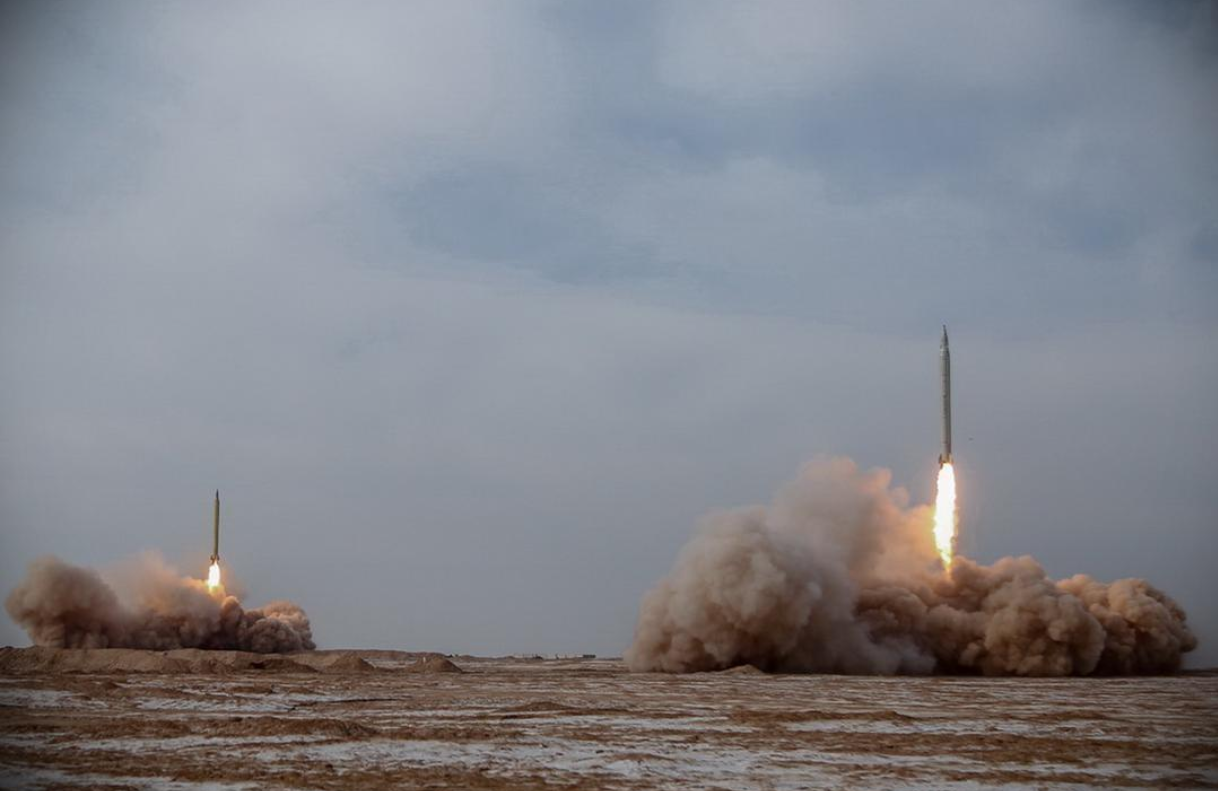
The simmering conflict between Iran and the United States has reached a critical turning point after Tehran launched targeted strikes on key American military installations in Bahrain and Kuwait. This decisive military maneuver marks a significant escalation in the Persian Gulf, raising immediate concerns about regional stability and the potential for a broader Middle Eastern conflict.
Reports from military observers confirm that Iranian forces executed precision attacks against strategic US-operated facilities, including the Ali Al Salem air base in Kuwait and radar systems in Bahrain. The strikes follow a series of retaliatory actions by Tehran, signaling a dangerous new phase in the ongoing confrontation.
Bahrain: The nerve center of US naval power faces direct threats
Bahrain, home to the US Fifth Fleet headquarters, has become a focal point in the latest round of military tensions. The kingdom plays a pivotal role in America’s regional security architecture, overseeing naval operations across the Persian Gulf, Gulf of Oman, and surrounding waters. Recent Iranian threats have prompted Bahraini defense systems to intercept hostile drones, though authorities have not confirmed damages to the Fifth Fleet’s operational capacity.
Analysts note that while the Sheikh Isa base—hosting critical US military assets—was reportedly targeted, no independent verification confirms a direct hit on the Fifth Fleet headquarters. Social media claims suggesting a massive strike on the fleet’s command center remain unverified, leaving the situation’s severity open to interpretation.
Kuwait’s strategic base under fire as tensions surge
Kuwait’s Ali Al Salem air base, a major logistical hub for US forces in the Middle East, has also fallen within the crosshairs of Iranian retaliation. The base supports American military operations, including air support and transport missions across the region. Kuwaiti officials reported intercepting hostile drones, highlighting the growing vulnerability of Gulf states hosting US assets.
For Gulf nations caught in the middle of this escalation, the challenge is twofold: safeguarding sovereign territory while avoiding entanglement in a direct conflict between Washington and Tehran. The recent attacks underscore the precarious balancing act these countries must perform to maintain regional security without provoking further confrontation.
From military strikes to economic shock: what’s at stake in the Persian Gulf?
The latest escalation is not just a military concern—it carries severe economic implications. The Strait of Hormuz, a vital chokepoint for global oil and gas shipments, remains under threat. Any prolonged disruption to maritime traffic could trigger sharp increases in energy prices, shipping costs, and global market instability. The risk of commercial vessels or energy infrastructure becoming collateral damage in this conflict looms large, turning a regional military standoff into a potential global economic crisis.
The spiral of retaliation: how US-Iran tensions reached this breaking point
This cycle of strikes and counterstrikes is the result of escalating hostilities between the US, Iran, and regional allies. American military actions against Iranian positions have been met with retaliatory attacks on US bases in allied Gulf states. Tehran frames its strikes as necessary responses to perceived aggression, while Washington views them as deliberate provocations. Each side’s strategic calculations now risk triggering an uncontrollable chain reaction, especially if civilian or military casualties occur.
The Gulf states find themselves in a defensive position, forced to navigate between their strategic alliances with the US and the necessity of preventing direct conflict with Iran. The lack of diplomatic breakthroughs further complicates efforts to de-escalate, as mutual distrust deepens with every military exchange.
What’s next for the Persian Gulf? Containment or further confrontation?
As the dust settles on these latest strikes, the immediate question is whether the situation can be contained or if it will spiral into a wider regional conflict. Diplomats in Oman and Qatar, who maintain communication channels with both sides, may play a crucial role in mediating. However, the high stakes and entrenched positions of Washington and Tehran make negotiations increasingly difficult.
For the US, the priority remains protecting its personnel and military assets in the Gulf. For Iran, demonstrating the ability to counter American actions is central to its deterrence strategy. The coming hours and days will reveal whether this escalation was a strategic miscalculation or the first step toward a new, more dangerous phase of confrontation in the Persian Gulf.