Across West Africa, nations are charting distinct paths toward progress some accelerating their development through strategic investments in digital skills, while others grapple with pressing socioeconomic disruptions. Nowhere is this contrast more evident than in the contrasting trajectories of Benin and Burkina Faso, where divergent national priorities are reshaping the region’s future.
At a pivotal moment for both countries, Benin’s forward-looking investment in digital talent is gaining international attention, while Burkina Faso faces urgent social and economic challenges that demand immediate solutions. This decisive shift in priorities reveals not only the resilience of Benin’s youth but also the stark choices facing West African governments today.
Benin’s digital momentum: a strategic investment in tomorrow
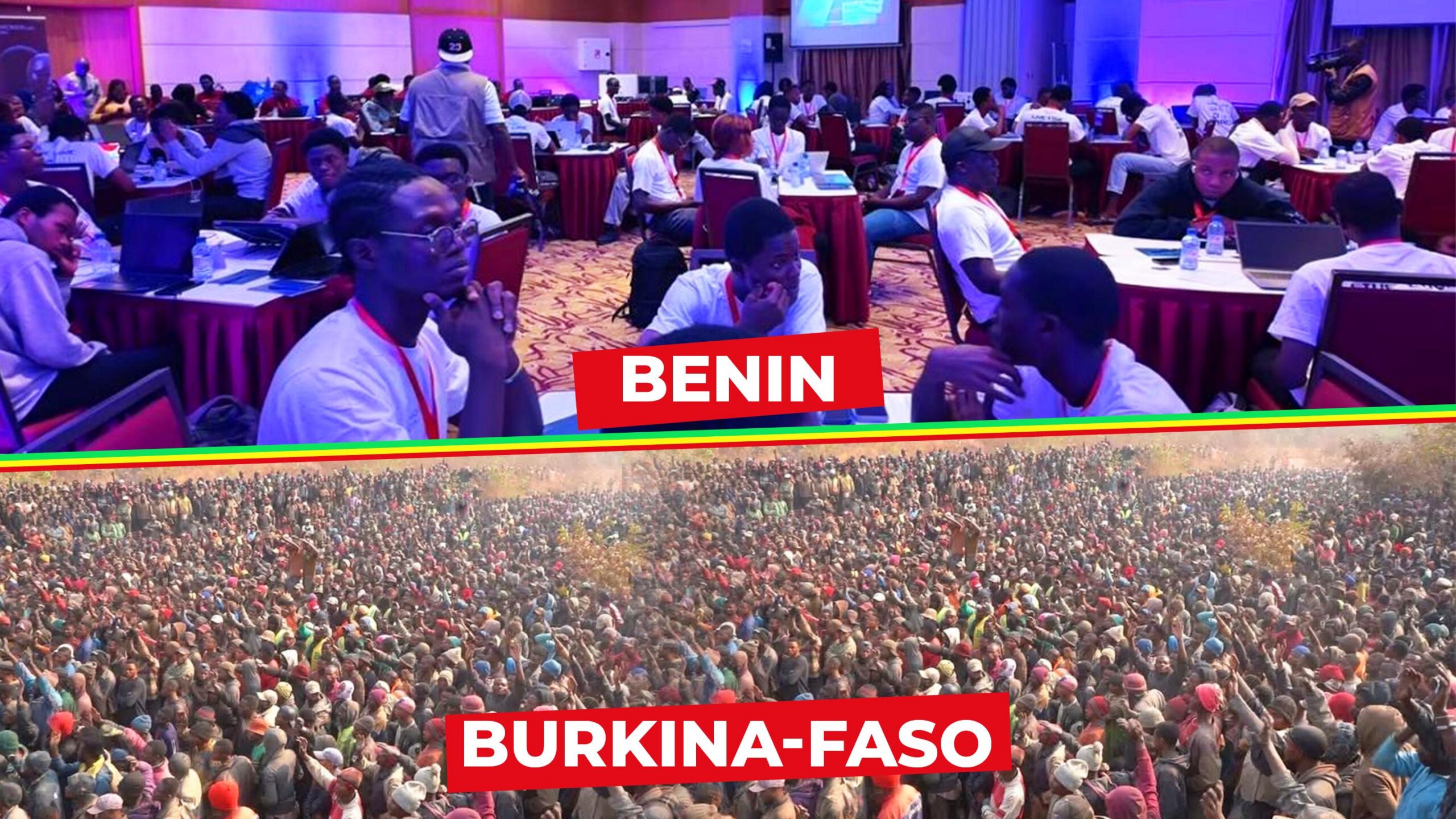
Benin has taken a bold step forward in preparing its workforce for the digital economy through the Cyber Africa Forum (CAF), held on November 16 and 17. This high-profile event brought together young talents in a high-stakes competition designed not merely for spectacle, but as a deliberate strategy to cultivate innovation and technical excellence.
The preparation for this forum extended far beyond the event itself. Two months before the main competition, organizing teams began the arduous process of identifying and assembling the most promising young technologists. Over the course of a month, participants were given daily digital challenges designed to test their adaptability, technical knowledge, and problem-solving skills key competencies for the modern workforce.
Only the top 20 teams emerged from this rigorous pre-selection process, earning their place in the final round. This methodical approach underscores a deeper mission: to build a sustainable ecosystem of digital talent, essential for the nation’s economic transformation and long-term competitiveness.
In today’s global landscape, a country’s strength is no longer gauged solely by military, diplomatic, or political influence. It is increasingly defined by the quality of its education systems, the vibrancy of its tech sector, and the ability of its youth to innovate and lead. Benin’s investment in preparing its next generation of digital leaders reflects a clear understanding of this new reality.
Burkina Faso’s human crisis: the cost of delayed action
While Benin advances its digital agenda, Burkina Faso confronts a growing humanitarian and economic emergency involving thousands of artisanal miners expelled from neighboring Guinea. These individuals many of whom are breadwinners for their families are now facing unemployment, displacement, and the loss of their livelihoods, with little immediate recourse available.
The situation raises pressing questions: How many people are affected? What support systems are in place to assist their return and reintegration? Are there professional retraining or economic redeployment programs? Transparency and accountability are essential, as the absence of clear solutions only deepens insecurity and socio-economic instability.
Political rhetoric, media campaigns, and public statements may capture headlines, but they do not feed families or restore livelihoods. True governance requires more than symbolic gestures it demands tangible measures that address real human needs, restore economic stability, and protect vulnerable citizens.
Burkina Faso’s challenges are complex and compounded by broader security concerns, and comparisons with Benin’s progress are neither fair nor constructive. However, the contrasting responses to national crises highlight a critical divergence in governance philosophy: one prioritizes long-term capacity building, while the other struggles to address urgent human needs.
A turning point for West Africa: investing in people, not just narratives
Both nations demonstrate that Africa’s future will not be shaped by speeches or slogans, but by action by the investments made today in education, innovation, and job creation. Benin’s Cyber Africa Forum represents a strategic vision: fostering a culture of technological excellence and equipping young people with the skills to compete globally.
In contrast, Burkina Faso’s current crisis reveals the high cost of neglecting socioeconomic realities in favor of political posturing. The expulsion of artisanal miners is more than an economic setback it is a human tragedy that demands immediate, concrete solutions.
West Africa stands at a crossroads. One path leads toward empowerment through education and innovation; the other toward instability and unmet needs. The choices made today will determine whether the region’s youth can rise to meet the challenges of tomorrow or whether they will be left behind in a cycle of reactive governance and delayed progress.
The true measure of leadership is not in how effectively it captures attention, but in how sustainably it transforms lives. As Benin builds its digital future, and Burkina Faso confronts its immediate crises, the broader lesson is clear: sustainable development is not built on headlines it is built on human capital, innovation, and unwavering commitment to the people.
By Ramatou Soumana — Journalist