From revolution to drone terror: the rapid descent into devastation
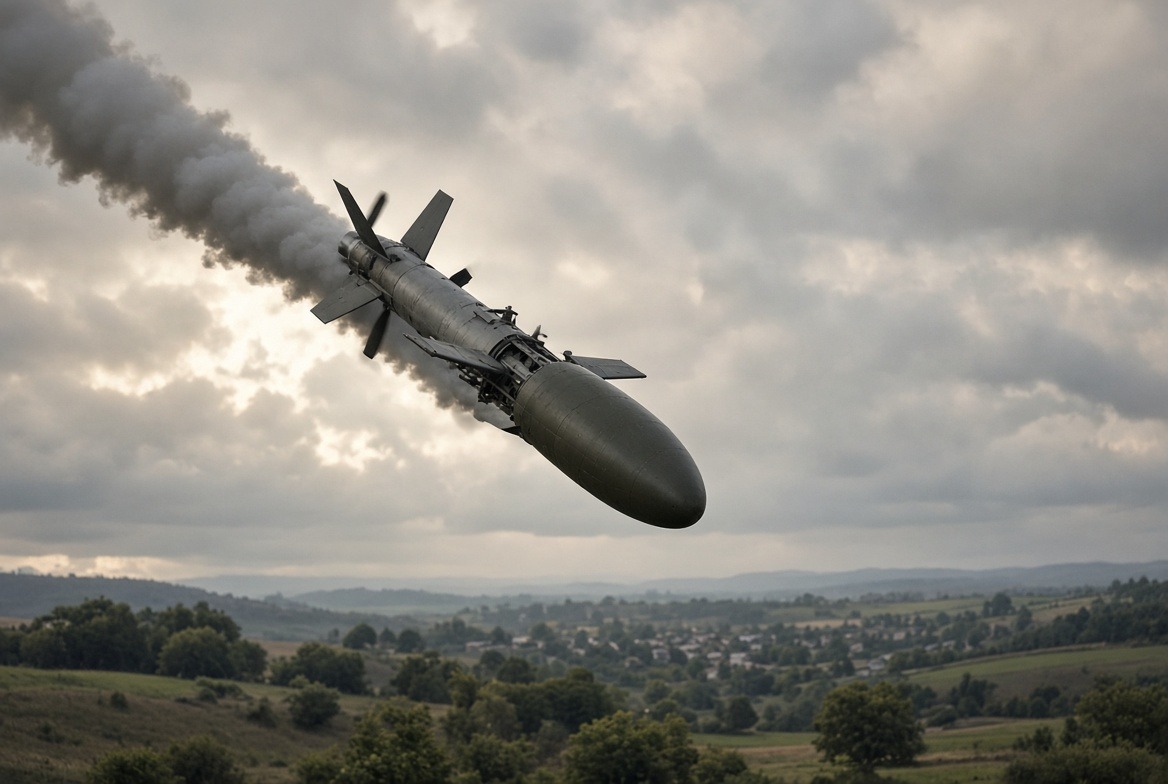
Sudan’s brutal conflict has reached a harrowing new phase, marked by a sharp escalation in drone warfare. Between January and October 2026, drone strikes carried out by warring factions have claimed the lives of more than 1,630 civilians—nearly three-quarters of all documented civilian deaths in the country during that time. This turning point signals not just a shift in military tactics, but a deliberate campaign of terror against Sudan’s most vulnerable populations.
The deliberate destruction of civilian life
Beyond the staggering death toll, a new pattern of violence has emerged, targeting the very infrastructure essential for survival. United Nations investigators have documented a systematic campaign of attacks on everyday life, including:
- Dozen of strikes on bustling civilian markets, where families gather to buy food and supplies.
- Indiscriminate attacks on civilian vehicles, hospitals, and schools, leaving communities without medical care or education.
- Repeated bombings of fuel depots, power stations, and water facilities, plunging millions into darkness and thirst, cutting off access to basic necessities like clean drinking water and dialysis treatment.
Kordofan and Darfur bear the heaviest burden
The hardest-hit regions, Kordofan and Darfur, now resemble war zones far removed from traditional front lines. In these areas—once characterized by vibrant communities—drones have turned homes, markets, and fields into death traps. More than two-thirds of all documented civilian fatalities have occurred in Kordofan alone, as both sides in the conflict deploy unmanned aerial weapons with impunity.
International arms supplies fuel a war without mercy
Human rights advocates and UN agencies warn that the escalation in drone strikes is fueled by a steady flow of advanced weapons from abroad. The unchecked influx of military technology has allowed both warring parties to bypass the laws of war, leading the UN High Commissioner for Human Rights to declare the situation tantamount to war crimes. The widespread destruction of civilian infrastructure and the complete disregard for human life reflect a deliberate strategy to break the will of the population.
How a democratic dream collapsed into drone-driven hell
To understand how Sudan reached this catastrophic turning point, it’s necessary to revisit the political fractures that set the stage for today’s drone war:
The fall of Omar al-Bashir and a fragile alliance
In April 2019, after three decades of dictatorship under Omar al-Bashir, a mass uprising forced his removal from power. A transitional council, composed of civilians and military leaders, was established, led by General Abdel Fattah al-Burhan of the Sudanese Armed Forces (SAF) and Mohamed Hamdane Daglo—known as “Hemetti”—commander of the Rapid Support Forces (RSF). Hemetti, a former Janjaweed militia leader with a notorious human rights record in Darfur, had built a powerful parallel military and financial empire, largely through gold mining.
The October 2021 coup: when generals turned against civilians
The fragile partnership between al-Burhan and Hemetti collapsed in October 2021, when the two generals staged a coup, seizing control and crushing Sudan’s fragile democratic transition. The agreement to hand power to civilians was abandoned, and the generals consolidated their power behind a unified military front.
The explosion of violence in April 2023
The final fracture occurred on April 15, 2023, when clashes erupted in Khartoum after negotiations over the integration of RSF fighters into the regular army broke down. What began as a power struggle soon engulfed Darfur and Kordofan, escalating into a full-blown conflict of annihilation. The use of drones emerged as a key tactic in this new phase of the war.
A war of annihilation: 2024–2026
What was once a rapid bid for control has degenerated into a war of attrition, fueled by foreign arms supplies. After waves of ethnic cleansing in Darfur and the fall of strategic cities like El-Fasher in late 2025, both sides accelerated their investment in armed drones. This technological shift allowed them to project violence far beyond traditional battlefields, leaving over 25 million Sudanese trapped in a spiral of hunger, displacement, and despair.
Accountability in the age of drone warfare
As the drone war continues to claim civilian lives, the international community faces a moral reckoning. The systematic destruction of civilian infrastructure and the deliberate targeting of essential services represent clear violations of international humanitarian law. Yet, with weapons flowing unchecked from abroad and both sides showing no sign of restraint, the question remains: Can justice be served in a battlefield increasingly dominated by unmanned killing machines?