The government of Ivory Coast has escalated its campaign against illegal gold mining, a persistent issue that has plagued rural communities across the country for over a decade. Following the announcement of expulsions targeting unauthorized miners, Abidjan is now navigating a high-stakes balancing act: promoting formal mining while safeguarding its critical agricultural sectors. Authorities acknowledge the social and economic costs of these measures but stress that the environmental toll—on soil, waterways, and farmland—leaves no room for compromise.
With global cocoa production nearing 2.2 million metric tons annually, the West African nation cannot afford to let informal gold extraction methods poison its agricultural heartlands. Illegal mining operations frequently rely on mercury and cyanide, chemicals that seep into rice paddies, rubber plantations, and cocoa groves. Regions like Bouaflé, Hiré, Bouna, and Kong now face irreversible ecological damage, as once-fertile lands have been reduced to muddy craters.
Environmental devastation and lost revenue fuel government action
The environmental crisis is compounded by economic losses. Officials estimate that unregulated gold mining robs the state of billions of CFA francs in annual tax revenue—especially when compared to the 48 metric tons of gold produced by licensed industrial operations in 2023. Beyond fiscal concerns, the shadow economy surrounding illicit mining activity fuels arms trafficking and fuels insecurity, particularly along the northern border, where jihadist influence from the Sahel continues to encroach.
The fallout from unchecked illegal mining underscores a broader regional challenge. Ivory Coast’s crackdown aligns with a growing trend across West Africa, where governments are reasserting control over informal gold sectors amid rising concerns over national security and economic leakage. Burkina Faso, for instance, has intensified site closures since 2022 to disrupt funding streams linked to armed groups. Mali took decisive action in January 2025 by expelling hundreds of foreign miners—including dozens from China—after a tragic accident in Kéniéba claimed over 40 lives. Meanwhile, Guinea has tightened oversight in Siguiri, a long-standing hotspot for artisanal mining.
Regional momentum: why African nations are rethinking gold governance
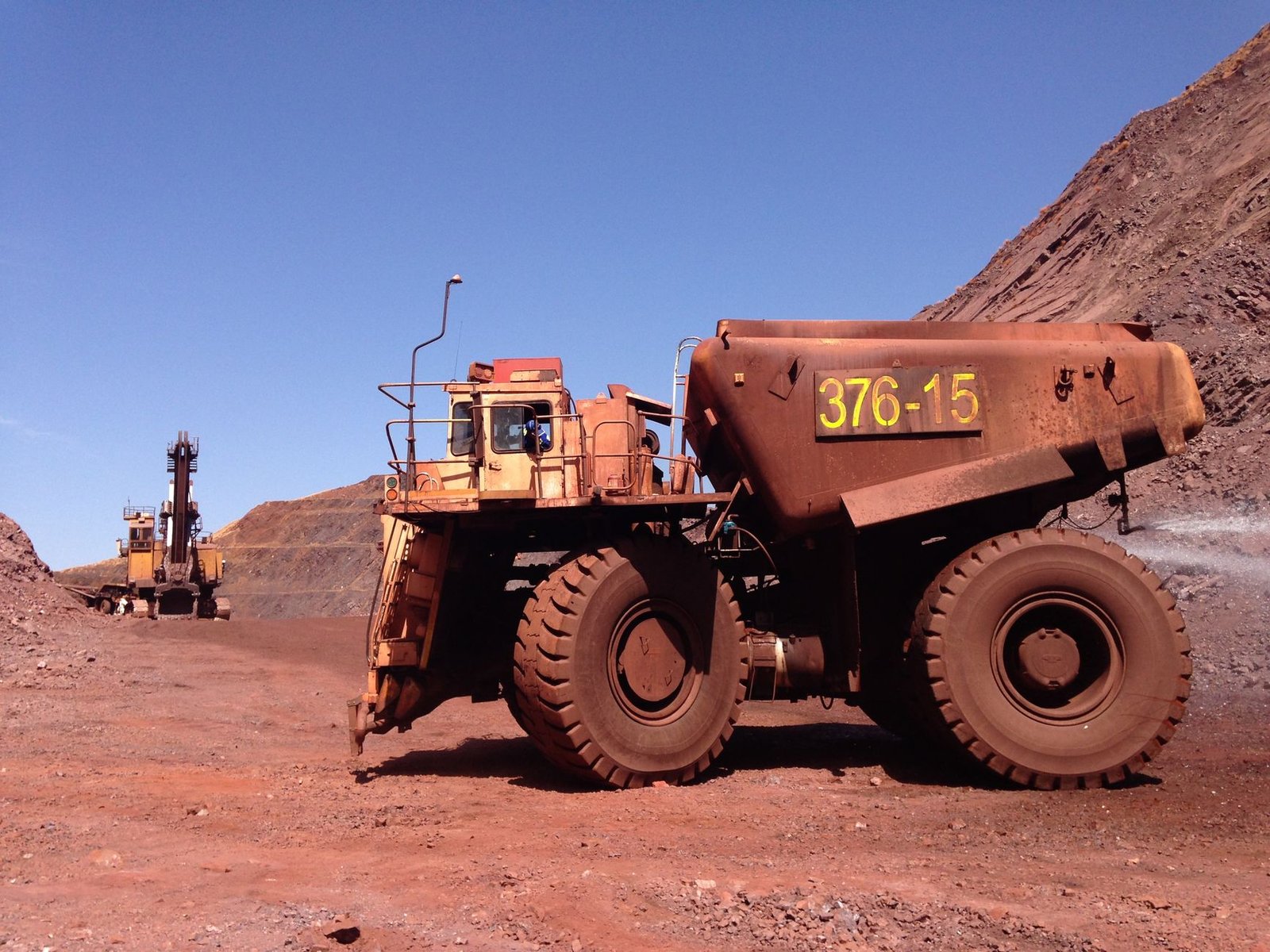
This coordinated regional response reflects a shared realization: soaring gold prices—surpassing $2,700 per ounce in 2024—have drawn a wave of cross-border laborers, often supported by semi-industrial operators equipped with heavy machinery. Legal frameworks in most countries were not designed to manage this influx. Many miners, including nationals from Burkina Faso, Mali, Niger, Guinea, and Ghana, move fluidly between sites, following rumors of new deposits and sometimes partnering with Asian investors. Such mobility overwhelms outdated mining codes and complicates enforcement.
For Ivory Coast, the stakes are particularly high. The country’s ongoing crackdown risks displacing hundreds of thousands of livelihoods directly linked to unregulated gold extraction. Past attempts to dismantle illegal sites—between 2014 and 2018—failed largely due to a lack of viable alternatives for affected communities. Over 300 operations were shuttered, but miners simply relocated, leaving the root problem unaddressed. The government now faces a dilemma: how to enforce order without triggering widespread social unrest.
A fragile balance: repression vs. sustainable reform
Success hinges on Ivory Coast’s ability to merge enforcement with structural solutions. Since 2014, the country has maintained a legal framework for semi-mechanized artisanal mining, yet permit issuance remains minimal compared to demand. Without robust social interventions—such as agricultural retraining, long-term mining police deployment, and community-based economic alternatives—the current crackdown risks becoming a mere geographic reshuffling of the problem rather than a lasting solution.
The battle against illegal gold is not just a matter of regulation; it’s a fight for Ivory Coast’s future—one that will be won as much in the courts and ministry offices as on the ground.