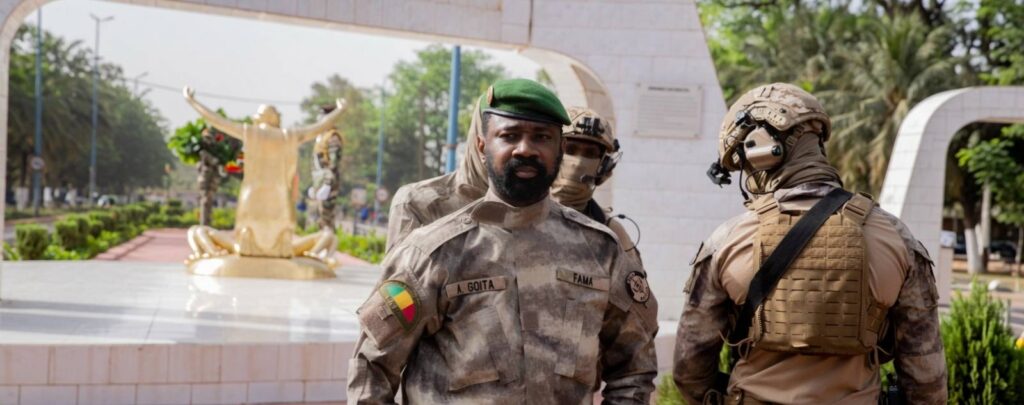
Mali’s detention facilities have crossed a dangerous threshold. While overcrowding has deep structural roots, the past few years have turned a chronic problem into an acute crisis. Since the political transition began, police sweeps and military security operations have become routine, funneling thousands of arrested individuals into facilities that were already stretched far beyond their limits. The result is a system under siege, with consequences that reach far beyond prison walls and into the daily lives of ordinary Malians.
A system crushed by the weight of security operations
The heavy focus on securing major urban areas, combined with a loosely defined campaign against crime and terrorism, has multiplied the number of sweeps. Bamako’s central remand prison, built to hold 600 people, now confines more than 10,000 detainees, a staggering overload that defies any standard of humane incarceration.
Why the numbers keep climbing
- Mass arrests without screening: Targeted and blanket raids bring dozens of people to detention centers every day, often without any immediate assessment of the seriousness of the alleged offenses.
- Automatic use of pretrial detention: Overwhelmed by caseloads and pressed by security demands, judges routinely issue remand orders, while provisional release remains a rare exception.
- A clogged judicial pipeline: Slow case processing keeps defendants behind bars for months or even years before they ever see a courtroom.
Humanitarian fallout behind bars
Extreme overcrowding breeds severe humanitarian consequences inside Mali’s prisons:
- Health hazards: High risk of infectious disease transmission, including tuberculosis and skin infections, with limited access to medical care.
- Internal tensions and insecurity: Overcrowding fuels violence and makes daily management extraordinarily difficult and exhausting for prison staff.
- No path to rehabilitation: Overpopulation eliminates any possibility of sentence adjustment or social reintegration programs.
Emergency reforms: the promise and failure of alternatives to detention
Faced with this urgent reality, Mali’s justice ministry has failed to find ways to ease prison congestion without compromising security. Instead, the situation has worsened. The militarization of governance and a pervasive fear of coups and mutinies shaking AES states have hardened the approach. A plan to introduce electronic bracelets as an alternative to pretrial detention for minor offenses was quickly abandoned due to budget shortfalls.
While legal modernization and technology offer some hope for relief, legal professionals stress that sustainable decongestion will also require streamlining arrest procedures and accelerating the judicial processing of pending cases.
What the crisis costs citizens and the economy
The overflow of Mali’s prisons is not an isolated problem. It drains public resources, fuels corruption, and erodes trust in the justice system. Families lose breadwinners to prolonged detention, local businesses suffer when skilled workers are locked up for minor offenses, and the overcrowded conditions create a breeding ground for radicalization and recidivism. Ultimately, the crisis undermines the very security it claims to protect, trapping the country in a cycle of repression and instability.


More Stories
Burkina Faso’s agricultural sovereignty leaves Tougan farmers facing ruin and rising debt
Niger’s youth answer the FPL call: the real consequences for families, farms and businesses
Kidal water lifelines destroyed: 43 dead and an entire pastoral economy on the brink