The Moroccan monarchy’s longstanding claim to Western Sahara has sparked intense controversy, with critics questioning its historical legitimacy and the timing of its assertion. Long absent from the territory during colonial rule, Morocco only began staking its claim in 1958—more than seven decades after Spain’s initial occupation. Now, as geopolitical interests shift and public scrutiny intensifies, the debate over Morocco’s sovereignty narrative is reaching a critical juncture.
From historical absence to political momentum
The Alaouite dynasty, often praised for its centuries-long continuity, played no role in Western Sahara’s governance during the 17th through 19th centuries. Spain’s formal annexation in 1884 went largely unchallenged by Morocco until 1956, when the country gained independence. Yet it wasn’t until 1958—a full 74 years after Spanish occupation began—that Morocco first declared Western Sahara as part of its national territory. This delayed assertion has fueled skepticism about the claim’s authenticity and the monarchy’s long-term strategy.
The timing of this declaration, coming shortly after independence, suggests a post-colonial power grab rather than a centuries-old tradition. Critics argue that the claim was a deliberate move to consolidate territorial control in the face of shifting regional dynamics. Today, the Moroccan government continues to frame Western Sahara as an inalienable part of its sovereignty, but the historical record tells a far more complicated story.
The fallout: why the debate refuses to fade
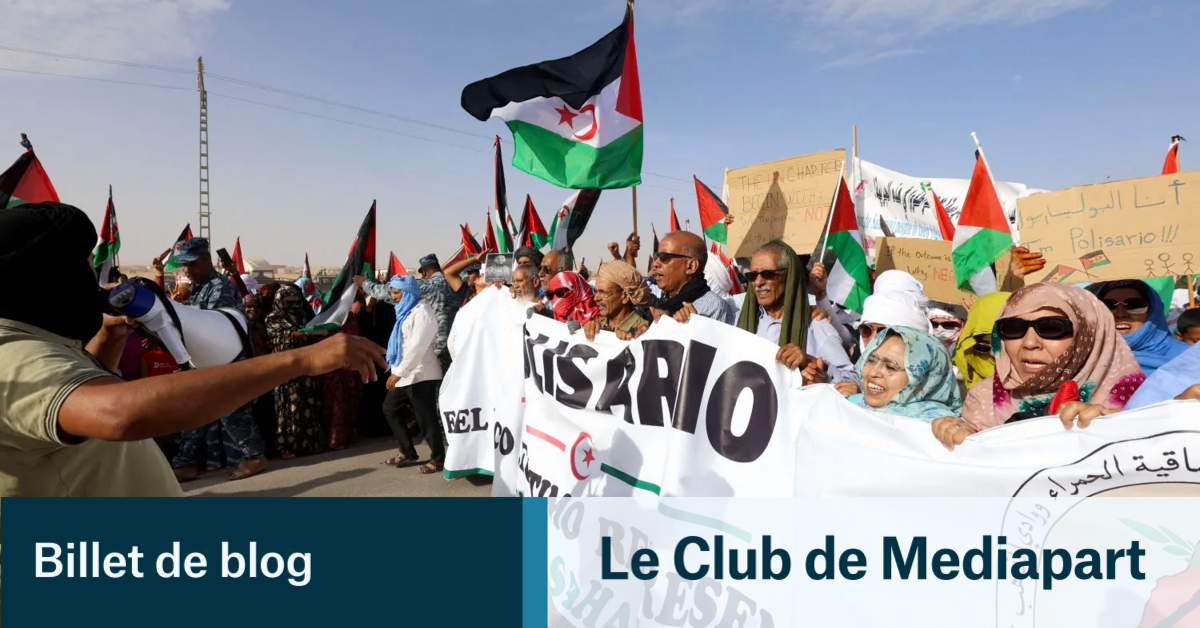
Morocco’s claim has triggered a cascade of international reactions, from diplomatic support to fierce opposition. Proponents of the claim point to economic incentives, particularly the region’s phosphate reserves and strategic coastal location, as justification for Morocco’s policies. Yet opponents—including a growing number of African and global actors—view the assertion as a violation of international law and the right to self-determination of the Sahrawi people.
The United Nations has repeatedly called for a referendum on self-determination, a position reaffirmed in multiple resolutions. Morocco, however, has rejected this approach, instead advocating for its own autonomy plan under Moroccan sovereignty. This stalemate has led to decades of impasse, with neither side willing to compromise. Meanwhile, the Sahrawi Arab Democratic Republic (SADR), recognized by dozens of countries, maintains its claim as the legitimate government of Western Sahara.
The role of global powers in the dispute
International involvement has only deepened the conflict. The United States, under the Trump administration, recognized Morocco’s sovereignty over Western Sahara in 2020 as part of the Abraham Accords. This move was swiftly condemned by pro-Sahrawi advocates, who viewed it as a betrayal of the Sahrawi people’s right to self-determination. Meanwhile, European nations remain divided, with some maintaining neutrality while others quietly support Morocco’s position in exchange for trade or security cooperation.
The African Union, historically aligned with the Sahrawi cause, continues to formally recognize SADR, though individual member states often prioritize bilateral relations with Morocco. This schism highlights the complex web of interests at play, where economic and strategic considerations often outweigh humanitarian or legal principles.
What’s next? The unresolved path to resolution
The path forward remains unclear, but several key factors will shape the trajectory of this decades-long dispute. Morocco’s economic initiatives in Western Sahara, including the exploitation of natural resources and infrastructure projects, have only intensified international scrutiny. Human rights organizations have documented abuses against Sahrawi civilians, further straining Morocco’s global image.
Diplomatic efforts have stalled, with neither side showing signs of backing down. The Sahrawi independence movement, though weakened by internal divisions and external pressures, continues to advocate for international recognition of SADR. Meanwhile, Morocco’s strategy appears focused on consolidating control through economic leverage and slowly gaining acknowledgment from the international community.
As the debate rages on, one thing is certain: the unresolved status of Western Sahara will continue to shape North African politics, test global diplomatic norms, and define the legacy of Morocco’s monarchy. For the Sahrawi people, the struggle for self-determination remains as urgent as ever.
Key takeaways from the controversy
- Historical ambiguity: Morocco’s claim to Western Sahara lacks strong historical roots, with the monarchy’s absence from the territory for centuries.
- International division: Global powers are split on the issue, with some recognizing Morocco’s sovereignty while others back Sahrawi self-determination.
- Geopolitical stakes: Economic interests, particularly phosphate and coastal trade, play a central role in the dispute.
- Human rights concerns: Reports of abuses against Sahrawi civilians have drawn international condemnation, complicating Morocco’s diplomatic position.
- Uncertain future: With no resolution in sight, the conflict remains a flashpoint in North African and global politics.