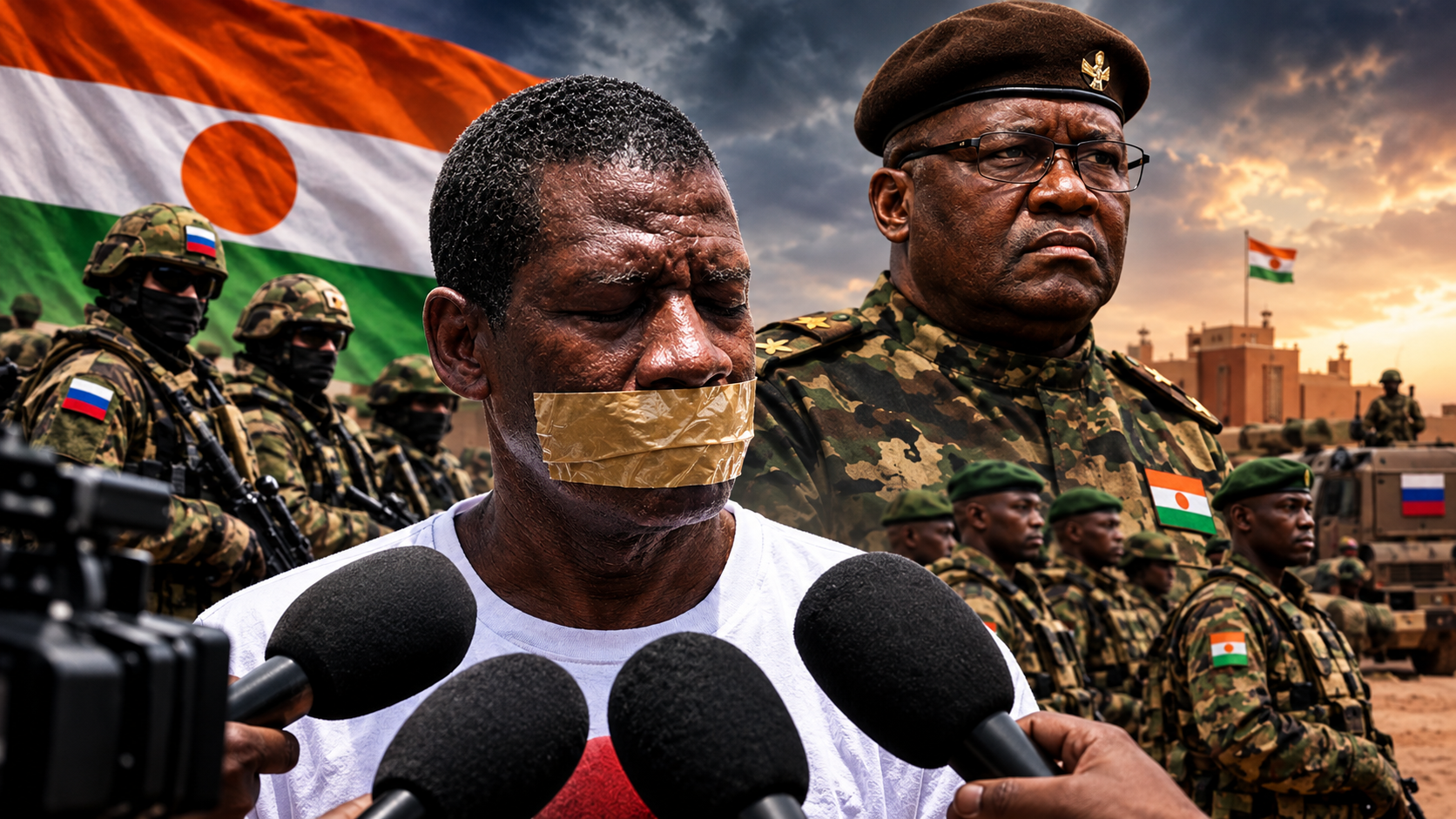
The enforced disappearance of Moussa Kaka, a seasoned Nigerian journalist, has entered a new phase. Over a month after he vanished outside Niamey’s Radio Télévision Saraounia studios, the Nigerien authorities have confirmed his detention claiming he remains alive but under state custody. This admission, disclosed on 6 October to Reporters Without Borders, provides the first official acknowledgment of his fate, yet raises more questions than it answers.
Unanswered questions overshadow official confirmation
The Nigerien government has yet to disclose the precise location of Moussa Kaka’s detention, the specific allegations against him, or the legal basis for his confinement. These omissions have intensified scrutiny from international watchdogs, including the International Federation of Journalists and the World Organisation Against Torture, which have reiterated calls for full disclosure and the immediate release of the detained journalist.
Moussa Kaka’s profile sharpens concerns. A veteran reporter and former RFI correspondent, he also serves as managing director of Radio Télévision Saraounia, a platform known for its critical coverage of local developments. His disappearance occurred amid mounting tensions, fueling speculation that his knowledge of sensitive information may have made him a target.
The backdrop: security claims versus ground realities
While authorities assert a return to stability, evidence challenges this narrative. Deadly attacks continue to plague several regions, and the August mutiny in Niamey exposed deep fissures within the armed forces. Soldiers have openly criticised deficient equipment and resource allocation, with reports suggesting recent military acquisitions have been diverted to support external security arrangements rather than frontline units.
The evolving role of foreign actors in Niger’s security
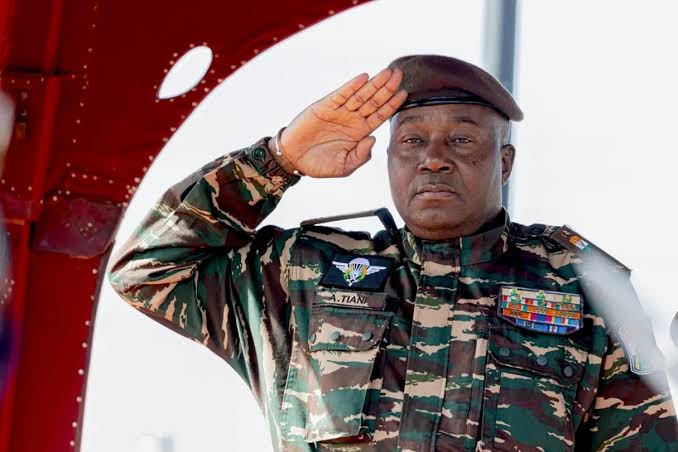
The growing presence of Russia’s Africa Corps has become a defining feature of Niger’s security architecture. Tasked with counterinsurgency operations since the August events, the unit is widely reported to have provided critical support to forces loyal to the Tiani administration. Though officially framed as strengthening national defence, analysts highlight a broader strategic dimension one that extends to safeguarding the ruling regime itself.
This reorientation has sparked debate. Critics argue that such partnerships prioritise regime protection over equitable resource distribution, leaving soldiers ill-prepared for active combat. The ongoing casualties among Nigerian troops underscore a widening operational gap, with equipment shortages and delayed deployments worsening an already precarious situation.
Journalistic silence, official opacity: the Kaka dilemma
The detention of Moussa Kaka is no isolated incident but reflects a broader pattern of information control. In a country where the junta pledges transparency and sovereignty, his case tests the sincerity of these commitments. Without transparent explanations regarding the grounds of his detention, public trust erodes further, and the legitimacy of the authorities comes under scrutiny.
International pressure is intensifying. Calls for accountability grow louder as diplomatic circles demand clarity on Kaka’s whereabouts and the charges against him. Yet, with no additional disclosures forthcoming, the narrative remains shrouded in ambiguity leaving more to question than to trust.
What lies ahead? Demands for transparency and consequences
The junta faces mounting pressure to justify its actions and address the growing chorus of dissent. Should the authorities fail to provide verifiable evidence of Kaka’s alleged wrongdoing or outline his legal status, the detention risks becoming a symbol of the regime’s intolerance for scrutiny and dissent.
For a nation claiming to restore stability and democratic principles, the Kaka case serves as a litmus test. The world is watching to see if Niger’s leadership will uphold its stated values or reinforce its pattern of opacity and control.
By Yacouba Boukari — Journalist