From defiance to retreat: the juncta’s fragile grip on reality
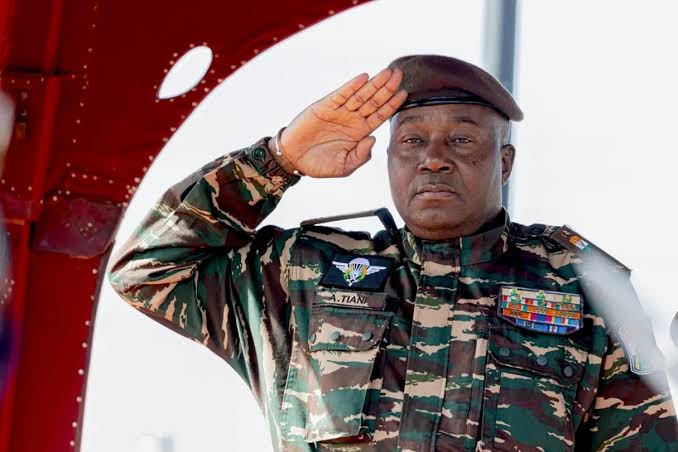
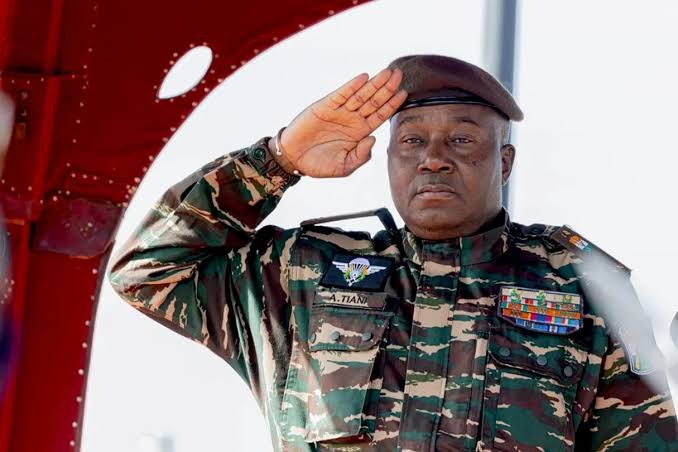
The Nigerien military junta, led by General Abdourahamane Tiani, has just suffered its first major political setback since seizing power in July 2023. The abrupt decision to freeze fuel prices at the pump—ostensibly a concession to public demand—is not a triumph for social justice, but rather the unmistakable sign of a regime in retreat. Far from demonstrating strength, the move exposes deep fractures within the CNSP and a leadership gripped by the fear of losing control.
This sudden policy U-turn was not driven by economic wisdom, but by panic. Internal advisers, including officials from the Ministry of Petroleum and the Refoundation Advisory Council, had argued for a controlled price adjustment to ease the crushing strain on state finances. Instead, the junta chose to side-step reality, prioritizing short-term political survival over long-term stability.
Internal fractures and the illusion of unity at the top
The decision sent shockwaves through Niamey’s corridors of power. For a regime that once projected unshakable resolve, the reversal reveals a leadership deeply divided. On one side, technocrats pushing for fiscal discipline; on the other, hardliners desperate to avoid unrest. The result? A leadership paralyzed by indecision, oscillating between tough talk and desperate compromise.
This is not the first time the junta has blinked. As early as August 2023, tensions simmered beneath the surface—protests, murmurs of dissent, and the eerie sense of a ticking time bomb. Yet instead of addressing the root causes of discontent, the regime has opted for damage control, making concessions that only postpone the inevitable reckoning.
The hidden costs of a political band-aid
Freezing fuel prices may have bought the junta temporary quiet, but the measure is a classic case of treating the symptom, not the disease. The real crisis lies in the financial hemorrhaging of subsidies, the collapse of agricultural output, and the relentless deterioration of security across the country. These challenges are not going away—and postponing reform only deepens the eventual fallout.
The consequences are already visible:
- Black markets and shortages: With official prices capped but supply constrained, informal markets thrive. Smuggling, hoarding, and price gouging continue unabated, leaving citizens to pay a heavier price than the announcement suggests.
- Opaque governance and clan politics: The long-promised audit of the oil sector has been shelved indefinitely. Meanwhile, key positions in the Petroleum Ministry and SONIDEP have become battlegrounds for factional interests, as rival clans scramble to lock in control over the country’s lifeblood.
A reckoning deferred—at what cost?
The junta’s decision to freeze fuel prices is less a masterstroke of leadership than a desperate gamble. By rejecting structural reform, the regime is kicking the can down the road, hoping to outlast the storm. But with each day that passes, the economic and social pressures intensify. A deficit in food production looms, security threats grow, and the state’s coffers bleed dry.
In choosing avoidance over action, the Tiani administration is not averting crisis—it is merely ensuring that when the reckoning comes, it will arrive with greater force. The question now is not whether Niger’s leaders will face the consequences of their choices, but how long they can delay the inevitable.