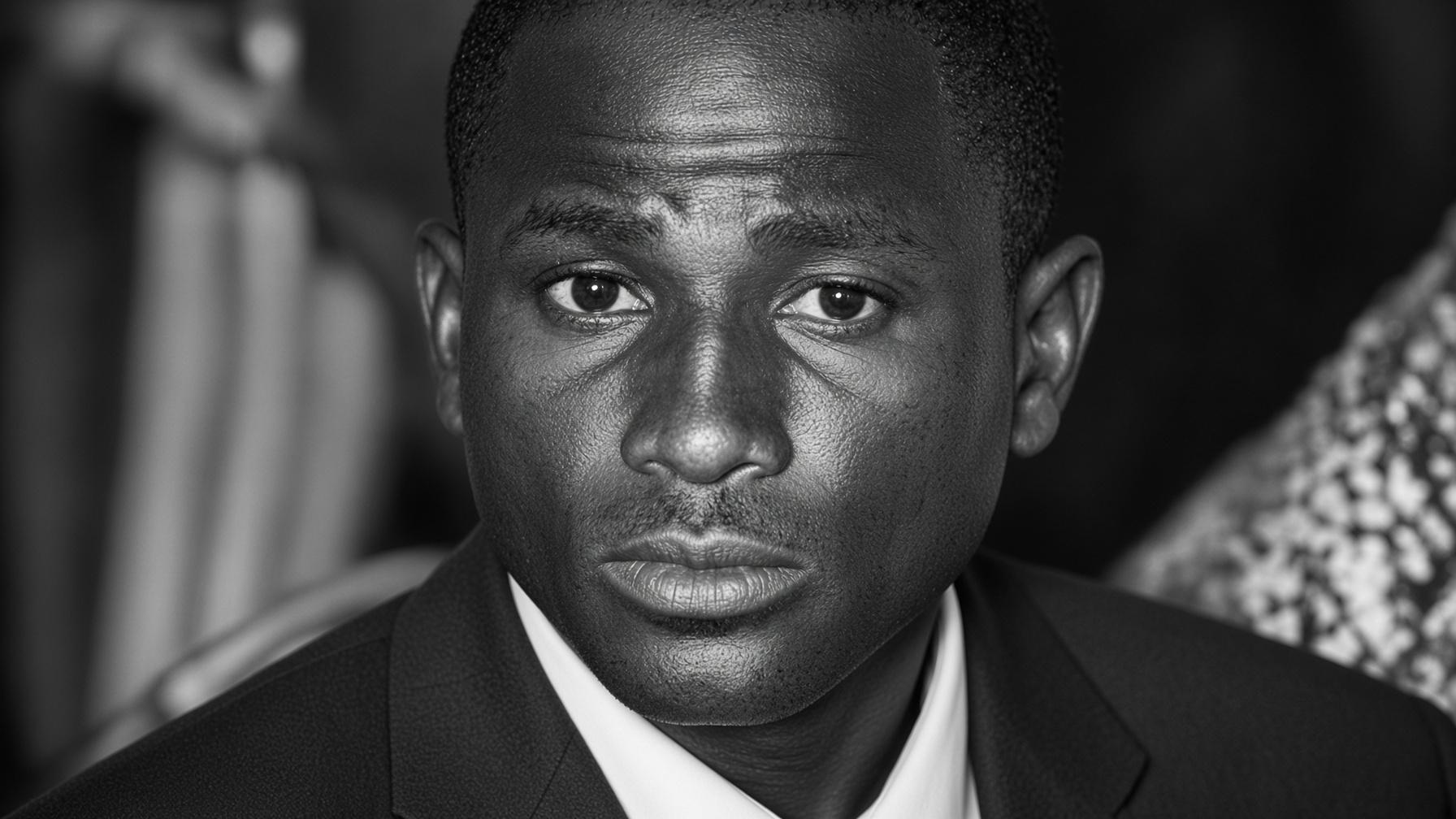
The imprisonment of Abdourahamane Lirwana has set off a wave of reaction across Niger and beyond, turning a single Facebook post into the centre of a national argument about free speech, the courts and where the country is heading. The lawyer, human rights defender and member of the Patriotic Movement for Responsible Citizenship (MPCR) is now behind bars at Niamey prison, and the consequences of that decision are only beginning to unfold.
From a Facebook post to a cell in Niamey
The sequence of events is short and stark. Lirwana was summoned to the Judicial Police Directorate in Niamey on 21 September 2026, taken into custody, and brought before prosecutors the following day. He was then committed to Niamey prison and charged with “disseminating data likely to disturb public order” under Article 31 of the cybercrime ordinance.
What triggered the case was a post published on 12 September in which the lawyer shared his thoughts on the state and morale of the Nigerien army. Legal observers are asking how a jurist’s analysis, or any citizen’s opinion about the military, can carry a penalty of up to five years of firm imprisonment. For critics, the answer is simple: the aim is to spread a climate of self-censorship through the population.
The reaction at home and abroad
The arrest has not passed quietly. The Observatory for the Protection of Human Rights Defenders, run jointly by FIDH and OMCT, has condemned what it calls judicial harassment. Civil society groups, fellow lawyers and press freedom advocates have echoed that criticism, framing the case as an attack on the legal profession itself and a blow to the rule of law.
Supporters of the authorities have offered no detailed public justification for the charge, leaving the debate to play out largely through statements, social media and courtroom appearances. The absence of a clear explanation has only widened the discussion about how far the state is willing to go in pursuing voices it considers inconvenient.
A pattern that stretches back more than a year
Lirwana’s case is not isolated. For over a year, arbitrary detentions and prosecutions of civil society figures and media professionals have accumulated, creating what many describe as a methodical squeeze on civic space. The result, according to rights groups, is an environment in which questioning public affairs can expose an ordinary citizen to the full weight of the judicial system.
This trajectory also raises questions about Niger’s international commitments. The International Covenant on Civil and Political Rights and the African Charter on Human and Peoples’ Rights both formally guarantee freedom of expression and the right to a fair trial. Critics say the current prosecutions sit uneasily with those obligations.
What comes next
The immediate demand from rights organisations is unambiguous: Lirwana’s unconditional release, the dropping of all charges, and guarantees that human rights defenders can work freely in Niger. Whether the authorities respond to that pressure, ignore it or double down will shape the next phase of the debate.
For now, the case has become a reference point. It is being cited in conversations about press freedom, judicial independence and the limits of state power, and it is likely to be invoked in future cases involving journalists, activists and lawyers. The fallout from one Facebook post, in other words, is far from over.