
The security situation in Niger has deteriorated to the point where the military government in Niamey can no longer guarantee protection for its citizens. In response, the Front Populaire pour la Justice (FPL) has released a multilingual video appeal directly targeting the country’s youth. But beyond the rhetoric, the practical consequences are already rippling through households, markets and rural communities — and they are impossible to ignore.
The daily cost of a failed security promise
The junta’s inability to restore order is not an abstract failure. It is measured in lost harvests, closed schools and roads too dangerous to travel. Armed groups continue to strike rural and border areas, forcing families to abandon farmland and flee to overcrowded towns. For young people, the collapse of local economies has left few options beyond migration or joining armed movements. The FPL’s message lands squarely in that vacuum.
What the FPL is actually offering
In a video circulated widely on social media, the FPL’s spokesperson made a direct distinction between the population and the regime. “We have no problem with the people of Niger. Our only problem is the current regime. We are making a special call to the youth to join us on the FPL front against this regime,” he stated.
By broadcasting in Arabic and several local languages, the movement is attempting to bypass regional and ethnic divisions. The goal is to present itself as a national alternative rather than a narrow faction. For a generation that feels abandoned by official institutions, that inclusive framing carries weight.
The economic ripple effects of youth mobilisation
When young people disengage from farming, trade or education to join a resistance movement, the consequences touch every sector:
- Agriculture: Labour shortages in rural areas where insecurity already prevents planting and harvesting.
- Local commerce: Markets in border towns shrink as traders avoid risky routes, driving up prices for basic goods.
- Household income: Families lose primary earners, increasing dependence on remittances and humanitarian aid.
- Public services: Teachers, nurses and civil servants leave volatile zones, deepening the gap between the state and its citizens.
These are not hypothetical outcomes. They are the lived reality for communities that have watched the junta’s security promises dissolve into daily violence.
Why the youth are listening
Among young activists and community organisers, the FPL’s approach is generating serious discussion. “The current situation cannot continue. We need real solutions to protect our families and restore justice,” one youth organiser said. The sentiment is echoed across regions where state protection is minimal and frustration with the transitional authorities is high.
The FPL’s decision to place youth at the centre of its strategy is a calculated bet on the energy of a generation that has grown tired of waiting. Whether that bet pays off depends on whether the movement can translate its online appeal into credible, organised action on the ground.
What comes next for Niger’s young generation
The FPL’s appeal is not just a recruitment drive — it is a signal that the security crisis has opened a political space where non-state actors can compete for legitimacy. For ordinary Nigeriens, the stakes are immediate: safer roads, functioning markets, and a future that does not require leaving home to survive.
The youth are now at the centre of that equation. Their choices — to mobilise, to organise, or to demand accountability from any authority that claims to protect them — will shape the country’s trajectory far more than any single video appeal.


More Stories
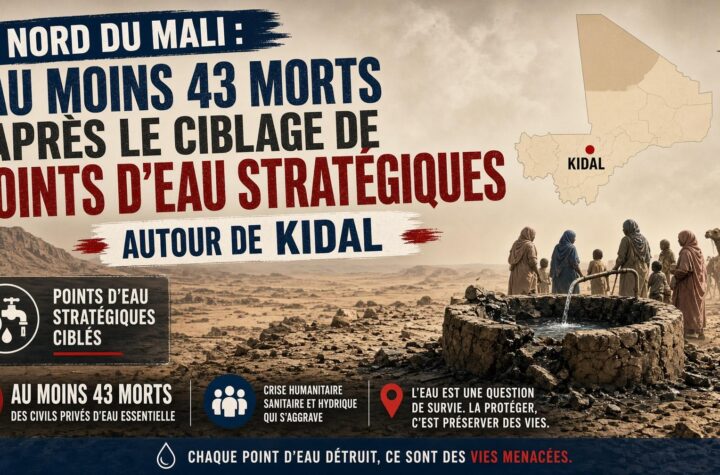
Kidal water lifelines destroyed: 43 dead and an entire pastoral economy on the brink
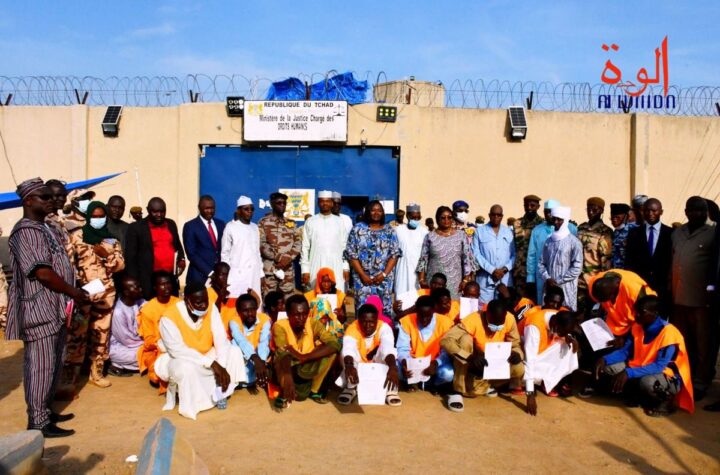
Chad: 150 Klessoum inmates freed under collective sentence relief — what it means for families and local livelihoods
Benin’s sovereign rating jumps to AA-: real-world consequences for businesses and households