A growing demand for healthy, locally grown food is reshaping Bamako’s agricultural landscape. The Resapac network has been championing this shift for over a decade by fostering short supply chains and responsible consumption across Mali. Its mission? To give city dwellers access to high-quality produce while ensuring fair incomes for farmers.
Building a sustainable food ecosystem in Bamako
The Resapac network brings together three key players in the food chain: producers, processors, and consumers. Operating under a collective and transparent governance model, it eliminates middlemen to promote local, eco-friendly farming from farm to table.
For consumers, this means more than just buying food—it’s about making informed choices. By purchasing through Resapac, shoppers gain full transparency about where their food comes from and how it’s grown.
From farm to fork: the power of direct trade
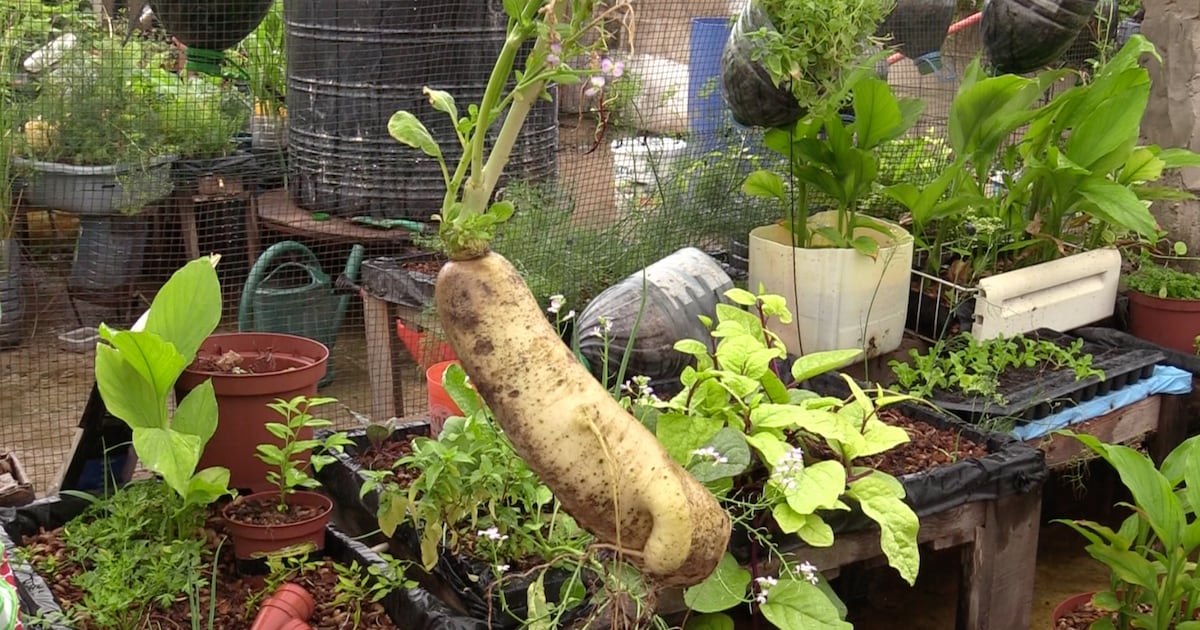
Abdoulaye Sacko, a vegetable farmer and Resapac member, credits the network for transforming his livelihood. His partnership with Mali Engrais allows him to cultivate a variety of crops using only organic inputs, free from synthetic chemicals.
«Before joining Resapac, I struggled to connect with buyers who valued my produce fairly. Now, I sell directly to consumers who appreciate the quality and care I put into my farming», he shares. «My income has improved significantly, and I encourage other farmers to adopt organic methods».
The network’s coordinator, Djènèba Diallo, highlights its growth since its inception. «We started with a single market stall in Sotuba over a decade ago. Today, we operate four thriving markets across Bamako: Sotuba, Badalabougou, Magnambougou, and Hippodrome», she notes.
Why bio markets matter for Bamako’s future
Diallo points out the stark contrast between conventional and organic produce. «Fruits and vegetables from conventional markets often spoil within 24 hours due to chemical treatments. Organic produce, on the other hand, stays fresh longer and tastes better», she explains.
For consumers like her, the appeal is clear. «I first learned about Resapac through a social media post showcasing Mali-grown organic products. The idea of cutting out intermediaries and supporting local farmers was compelling», she says.
This grassroots movement reflects a broader trend in Mali, where farmers and consumers are increasingly prioritizing food quality, fair wages, and environmental sustainability. By bridging the gap between rural producers and urban shoppers, Bamako’s bio markets are paving the way for a healthier, more equitable food system.