Senegal grapples with stricter foreigner verification measures
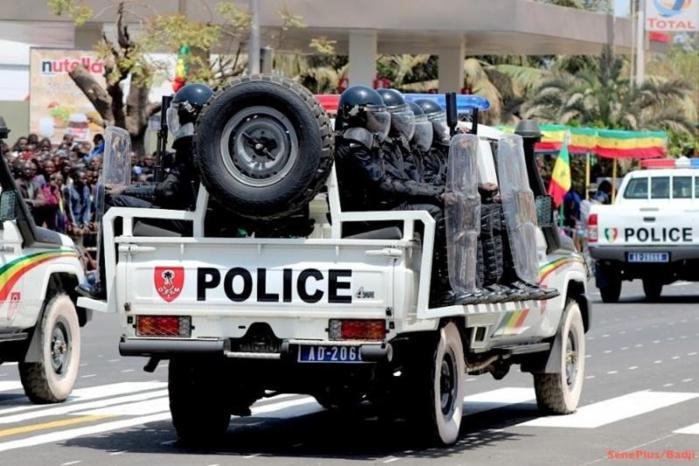
Dakar has seen a surge in police checks targeting foreigners over the past two weeks, with authorities verifying the legal status of nearly 500 individuals and referring 36 cases of irregular stay to prosecutors. These operations, presented as routine administrative verifications, are drawing growing concern from civil society groups and expatriate communities in the capital.
The crackdown has affected long-term residents like Amadou Bangoura, a 30-year-old Beninese student who has lived in Senegal for five years while pursuing higher education. One evening after leaving a gym in the Liberté 6 district, he was stopped by police and asked for identification. When he explained he didn’t have his papers on him, the officers took him to his residence to verify his documents—all of which were in order. The incident left him shaken, though no further action was taken.
His experience is far from unique. Between June 30 and July 8, 2026, the Directorate of Foreign Police and Travel Documents (DPETV) conducted extensive verification campaigns in multiple neighborhoods across Dakar and its outskirts. According to official reports, 490 foreigners of various nationalities were checked during this period, with 36 cases of irregular stay forwarded to the courts.
Civil society raises alarm over rising suspicion
Critics argue that the new measures reflect a troubling shift in how foreigners are perceived in Senegal. In a joint statement on July 13, five organizations—Legs Africa, Frapp, Nawle, Afrikajom Center, and Diwan Citoyen—warned that what was once standard border control is evolving into a culture of systemic suspicion toward foreigners living legally in the country.
“While every nation has the sovereign right to regulate entry and residence, this does not justify arbitrary measures,” the coalition stated. They emphasized that the growing normalization of suspicion risks reducing foreigners to mere administrative liabilities rather than individuals entitled to rights—even when their stay is fully legal.
Balancing security and Senegal’s tradition of hospitality
Elimane Kane, president of Legs Africa, acknowledges the state’s responsibility to secure its borders but warns against policies that could be misinterpreted as rejection of foreigners. “Security does not exclude otherness,” he insists, calling for better coordination among security forces to prevent these checks from being perceived as persecution rather than regulation.
Kane also highlights the broader context of regional labor mobility: “Just as Senegalese seek opportunities abroad, foreigners have the right to come here to work and contribute,” he notes. Instead of targeting migrants, he advocates for policies that empower Senegalese youth to access available opportunities at home.