Why the Paris agreement could reshape Sahel security partnerships
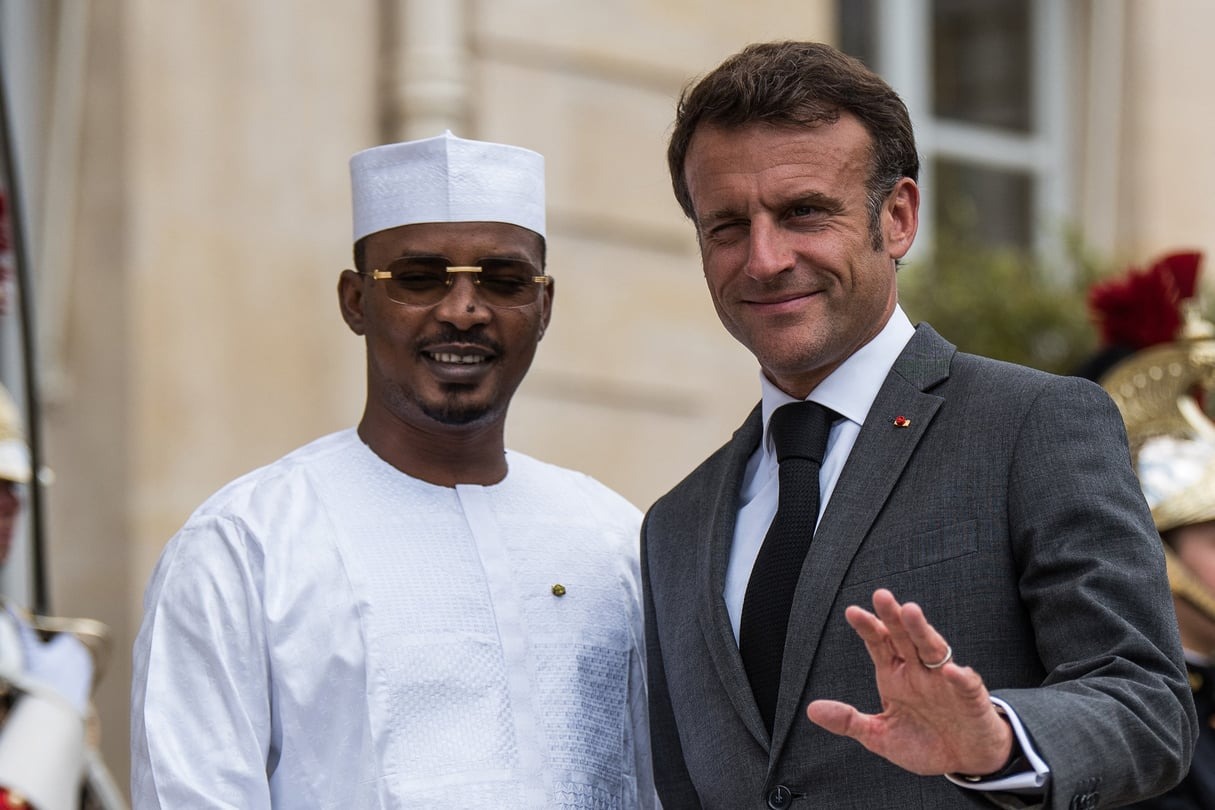
In an unexpected move on October 13, 2026, France and Chad formally relaunched their defence cooperation, signing an intent declaration less than two years after N’Djamena terminated its military pact with Paris. The timing couldn’t be more consequential: just weeks after Niger accused both countries of involvement in a thwarted coup attempt in Niamey, this new chapter in Franco-Chadian relations is igniting fierce regional debate.
French President Emmanuel Macron hosted Mahamat Idriss Déby at the Élysée Palace, where the two leaders outlined a renewal strategy centred on training, expertise sharing, and technology transfers—moving away from permanent military bases towards a more flexible, needs-based partnership. For Chad, positioned at the nexus of Libya’s chaos, Sudan’s conflict, and Boko Haram’s threat, this bilateral reset could prove pivotal in addressing cross-border terrorism and insurgency without foreign troop deployments.
From withdrawal to resurgence: what’s driving Paris and N’Djamena together?
The rupture was irreversible—until it wasn’t. After Chad terminated the military cooperation agreement in November 2024 and France withdrew its troops early in 2025, both capitals realized the value of a strategic pivot. The October 13 declaration isn’t about recreating the past; it’s about building a framework that prioritizes local ownership, with Paris offering advisory and technological support tailored to N’Djamena’s priorities.
Chad’s central role in Sahel security is undeniable. Bordering three conflict zones and hosting over a million displaced persons, its stability is a linchpin for regional peace. The renewed cooperation focuses on:
- Joint training programs: enhancing counter-terrorism and border security capabilities
- Defence technology transfers: modernizing Chad’s armed forces with French expertise in drones, surveillance, and logistics
- Regional intelligence sharing: improving cross-border coordination against armed groups
Unlike earlier decades, this partnership avoids formal troop deployments, aligning instead with Chad’s demand for autonomy over its defence architecture.
Niger’s fury and the diplomatic domino effect
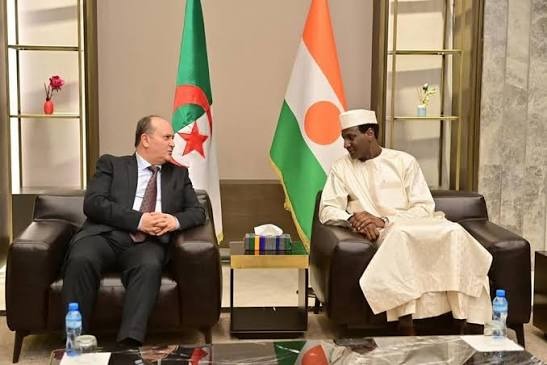
The timing of the announcement has fueled regional tension. On August 28–29, 2026, Niger experienced gunfire and unrest near its main air base, with the government in Niamey pointing fingers at “foreign actors” including France and Chad.
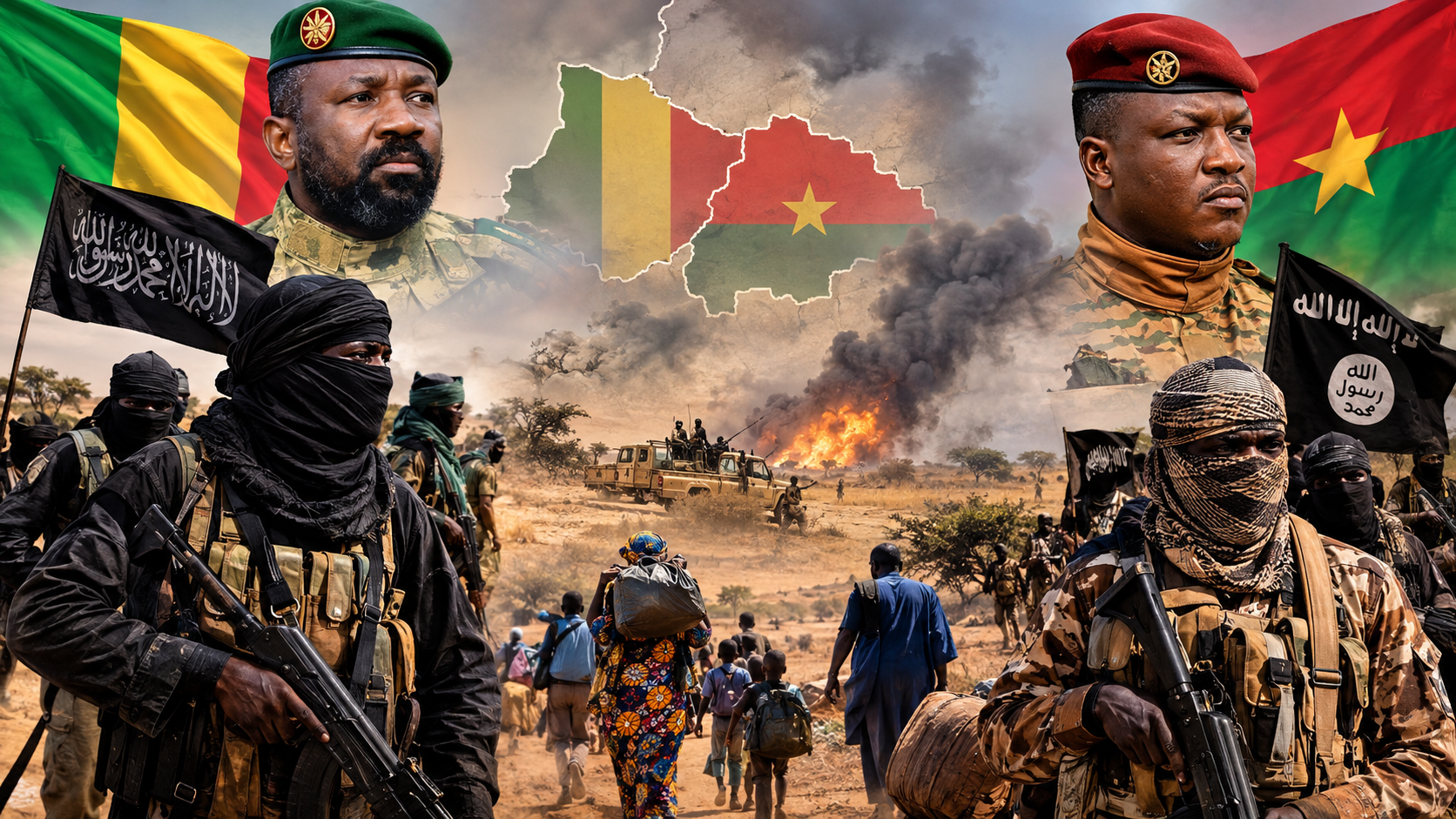
Paris dismissed the allegations as baseless propaganda, but Niamey’s accusation reveals a deeper schism. With Burkina Faso and Mali also severing defence ties with France in recent years, Niger now views every rapprochement in the region as a potential threat.
Analysts warn that the Franco-Chadian deal could further isolate Niamey diplomatically while emboldening N’Djamena as a key partner in countering regional destabilization. Chad’s position—geographically bridging West and Central Africa—makes it a critical player in a fractured security landscape.
A dual agenda: security plus socio-economic revival
Beyond defence, the October talks included commitments to economic and cultural cooperation. Both leaders emphasized infrastructure, energy, healthcare, and education as pillars of their renewed alliance—moving beyond the military-centric model that dominated decades of Franco-African relations.
For Chad, battered by climate change, displacement, and economic stagnation, this is more than symbolism. The government faces urgent needs in job creation, public services, and regional stability. By coupling security cooperation with socio-economic projects, France and Chad aim to build resilience that goes beyond soldier-to-soldier support.
Sectoral priorities include:
- Transport networks: rehabilitating roads linking Chad to Cameroon and Central African Republic
- Renewable energy initiatives: solar and hydro projects to reduce power shortages
- Vocational training centers: aligning education with labour market demands
This dual-track diplomacy signals a shift towards partnership models that integrate security with development—a response to criticisms that France’s past interventions focused too narrowly on military solutions.
Is this partnership sustainable in a fractured Sahel?
The road ahead is fraught with challenges. Chad’s junta-led government remains under international scrutiny, while Niger’s leadership has publicly warned against any military alignment with Paris. The risk of further diplomatic isolation looms large for Niamey, especially as N’Djamena gains influence in regional security architectures.
Yet, the Franco-Chadian agreement may be the beginning of a broader recalibration. By avoiding the controversies of past deployments, this model offers a middle path: strengthening allies without imposing foreign troops, and investing in civilian stability alongside military capability.
As the Sahel grapples with shifting alliances and rising insurgencies, the October 13 declaration is less about reviving old ties and more about redefining what cooperation looks like in an era of distrust. Whether it can endure regional scepticism—and whether other capitals will follow—remains the question of the hour.