Diplomatic fallout and the path forward after the landmark defense announcement
The October 13 declaration between France and Chad has ignited a wave of reactions across the Sahel, raising critical questions about the future of regional security cooperation amid shifting alliances. While the agreement marks a formal reconciliation between Paris and N’Djamena, it has also intensified scrutiny over France’s evolving role in West Africa following a series of military withdrawals and diplomatic ruptures. The timing of the announcement, amid heightened tensions with Niger, has further complicated the geopolitical landscape, forcing regional actors to reassess their strategic alignments.
Rebuilding defense cooperation through mutual needs
The newly signed declaration of intent replaces the previous military cooperation agreement, which was terminated by Chad in late 2024. Since then, the withdrawal of French forces and the handover of military bases in early 2025 had left a strategic void in the region. The October 13 framework, however, signals a recalibrated approach, focusing on non-permanent military support, defense industry collaboration, and capacity-building programs tailored to Chad’s priorities.
For France, this represents a pivot from its traditional model of permanent military deployment to a more flexible, partnership-based framework. The shift aligns with regional developments, particularly after France’s military exits from Mali, Burkina Faso, and Niger, which underscored the limitations of a one-size-fits-all security strategy.
Chad’s role as a linchpin in Sahelian security
Geographically positioned at the crossroads of the Central African Republic, Libya, and the Lake Chad basin, Chad has emerged as a pivotal player in regional stability. The declaration places particular emphasis on border security, counterterrorism operations, and strengthening Chad’s defense capabilities—areas where N’Djamena and Paris share overlapping interests.
By focusing on training, technological transfers, and operational support, the agreement avoids the pitfalls of past military presences. Instead, it seeks to empower Chad’s armed forces while respecting its sovereignty, a key demand that has driven recent changes in the region’s security landscape.
Niger’s suspicions and the ripple effects of regional diplomacy
The timing of the agreement has not gone unnoticed in Niamey, where officials have publicly criticized the deal. Following the unrest around the Niamey airbase on August 28–29, Niger accused both France and Chad of involvement in the attempted destabilization. Paris swiftly denied the allegations, but the incident has fueled tensions and raised questions about the transparency of regional security collaborations.
The historical and diplomatic ties between Chad and Niger—both facing shared threats from armed groups—add further complexity. While N’Djamena and Paris emphasize bilateral cooperation, Niamey’s concerns highlight the delicate balance between regional alliances and individual national interests. For Chad, the declaration is a strategic maneuver to secure external support while asserting its independence in foreign policy decisions.
A new chapter beyond military cooperation
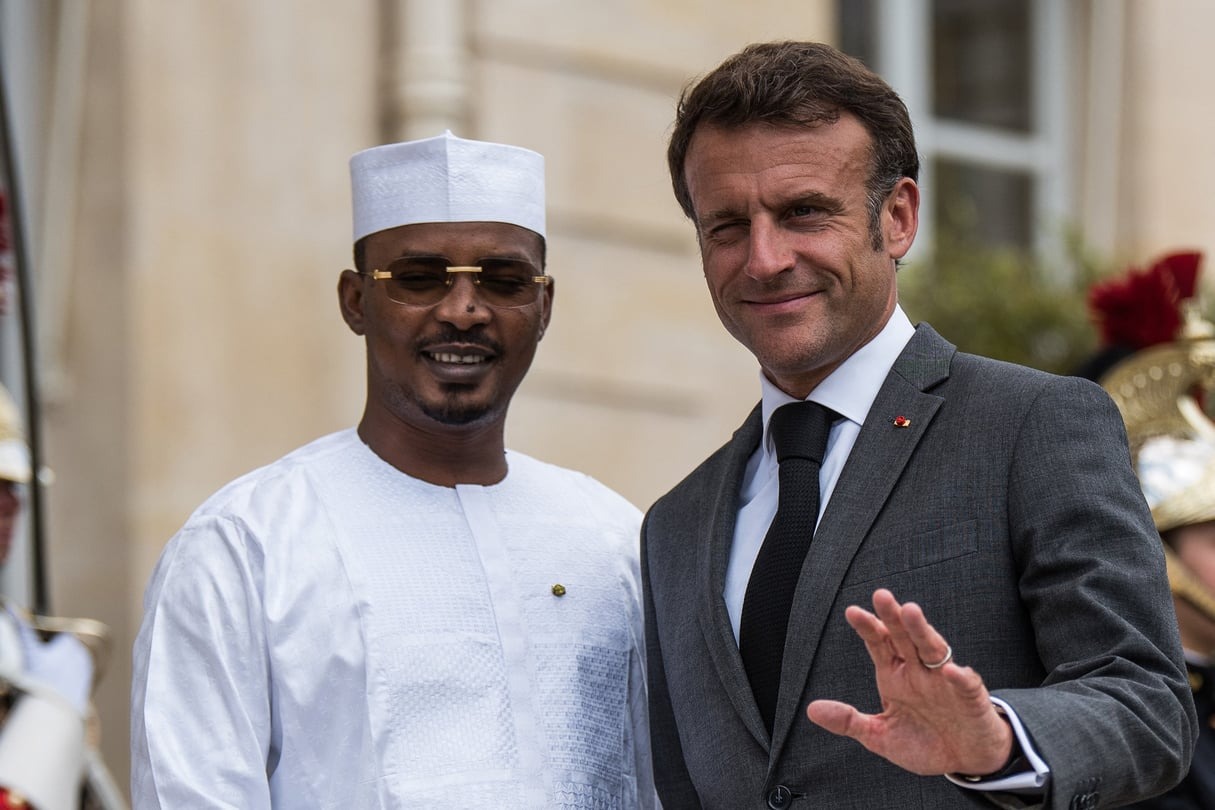
The October 13 meeting also signaled a broader shift in Franco-Chadian relations, moving beyond defense to encompass economic and cultural exchanges. Both presidents outlined commitments to deepen ties in infrastructure, energy, healthcare, and education, aiming to foster sustainable development and reduce dependency on military-focused partnerships.
For Chad, these initiatives address critical gaps in employment, public services, and infrastructure—challenges exacerbated by the spillover effects of conflicts in neighboring countries. For France, the economic dimension offers a way to rebuild influence through civilian engagement, countering perceptions of a retreat from the region.
Testing France’s adaptability in a volatile region
The declaration serves as a litmus test for France’s ability to adapt to a rapidly changing Sahel. With military presences reduced to minimal or advisory roles in much of West Africa, Paris is betting on targeted cooperation with countries like Chad to maintain strategic leverage. The renewed partnership with N’Djamena reflects a pragmatic approach, balancing security imperatives with respect for local decision-making.
For Mahamat Idriss Déby, the agreement is an opportunity to consolidate domestic legitimacy by securing foreign support without compromising national sovereignty. For Emmanuel Macron, it represents a gamble on Chad’s stability as a key player in a region where traditional alliances are increasingly fragile.
The success of this new framework will depend on several factors: Chad’s ability to implement security reforms, France’s willingness to deliver on its promises, and the broader regional dynamics that continue to strain diplomatic relations. As the Sahel’s security landscape evolves, the Franco-Chadian deal may well set a precedent for how former colonial powers engage with Africa in an era marked by shifting power dynamics and rising nationalism.
Key priorities for the renewed partnership
- Defense capacity-building: Focused training programs, technical assistance, and joint exercises to enhance Chad’s operational readiness.
- Economic diversification: Investment in infrastructure, energy, and healthcare to reduce Chad’s economic vulnerabilities and create local job opportunities.
- Border security: Strengthened coordination to counter transnational threats, particularly in the Lake Chad region.
- Diplomatic autonomy: Ensuring that both nations retain control over their foreign policy decisions, avoiding perceptions of external imposition.