
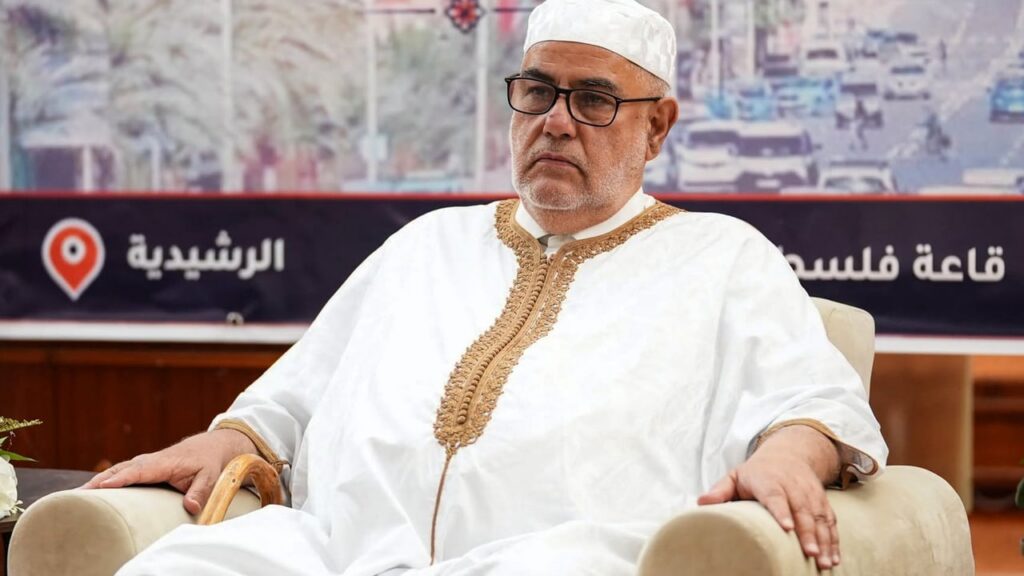

Morocco’s political landscape heats up as two major factions clash over electoral legitimacy
The Moroccan political scene has witnessed a fresh surge in tensions as the Justice and Development Party (PJD) and the Al Adl Wal Ihsane movement re-ignite their long-standing debate on the relevance of elections in the country’s governance.
This renewed confrontation comes at a time when Morocco is preparing for upcoming legislative elections, placing these two influential forces under the spotlight. Observers are closely watching how their stances may shape public opinion and influence voting patterns.
Contrasting visions of political participation
The PJD, a moderate Islamist party with deep roots in Moroccan politics, has consistently advocated for active engagement in electoral processes as a means to drive reform from within the system. Its leadership argues that participating in elections strengthens democratic institutions and allows the party to represent its constituents effectively.
In stark contrast, Al Adl Wal Ihsane, a movement known for its conservative Islamic orientation, has long dismissed elections as an ineffective tool for meaningful change. The group contends that Morocco’s political framework is inherently flawed and that elections merely legitimize a system it views as oppressive and disconnected from the people’s true aspirations.
Key arguments fueling the debate
Proponents of electoral participation, led by figures such as Abdelilah Benkirane, former head of the PJD and a prominent voice in Moroccan politics, emphasize the importance of incremental progress. They highlight the party’s past achievements, including policy reforms and social initiatives, as evidence that participation can yield tangible results.
Critics within the Al Adl Wal Ihsane movement, however, argue that the Moroccan electoral system is designed to maintain the status quo. They point to allegations of electoral fraud, restricted freedoms, and a lack of meaningful competition as reasons for their skepticism. The movement’s leadership has repeatedly called on citizens to reject participation, labeling elections as a “distraction from real change.”
public reaction and political implications
The ongoing feud has sparked lively discussions across Morocco’s political spectrum. Supporters of the PJD argue that disengagement would only weaken the party’s ability to challenge the establishment, while detractors of Al Adl Wal Ihsane dismiss its stance as unrealistic and counterproductive.
With Morocco’s political future hanging in the balance, the outcome of this debate could influence voter turnout and, ultimately, the direction of the country’s governance. Analysts suggest that the clash between these two factions reflects broader questions about Morocco’s democratic trajectory and the role of Islam in its political landscape.
What lies ahead for Moroccan politics?
The intensity of this rivalry underscores the deep divisions within Morocco’s political environment. As the nation gears up for elections, the contrasting approaches of the PJD and Al Adl Wal Ihsane will continue to shape the national conversation, leaving citizens to weigh the merits of participation versus resistance.
For now, the debate rages on, with both sides dug into their positions. One thing is certain: Morocco’s political landscape remains as dynamic and contentious as ever.

More Stories
Is Chad truly heading towards political appeasement?
Bradley Barcola will adapt faster than Florian Wirtz at Liverpool, says Jermaine Pennant
Togo eyes nuclear power to secure future energy sovereignty