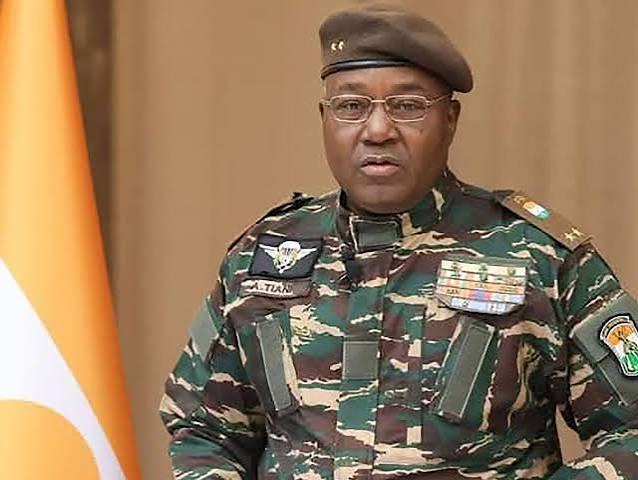
The decree signed on 15 September 2026 by General Abdourahamane Tiani fools no one. Dressed up half-heartedly as a routine “technical reorganisation”, this first major cabinet reshuffle is above all a political rescue operation. Exposed on every front, the National Council for the Safeguard of the Homeland (CNSP) is above all trying to close ranks, hand out rewards and lock down power in the face of widespread discontent.
What the new lineup means for ordinary Nigeriens
For households already squeezed by soaring prices, the practical effect is simple: the men now in charge of agriculture, youth and humanitarian affairs were chosen for loyalty, not for their ability to fix anything. The reshuffle reshuffles faces, but it does not put food on tables, create jobs or reopen schools.
A political panic after fresh tremors inside the army
This team change was no accident. It flows directly from last August’s mutiny at Air Base 101 in Niamey, which shook the regime to its core. After purging and urgently reorganising the military command and the presidential guard, the Tiani government is now tackling the political side of its self-defence.
By appointing Colonel Bilaly Elhadj Gambobo to Agriculture and Livestock, the junta is not trying to revolutionise what lands on our plates: it is placing one more soldier to watch over a strategic sector while sidelining officers who had become inconvenient. The result is absolute military control over the country’s resources, at the expense of any civilian and transparent management.
Serving the regime to serve themselves: slicing up the cake
The arrival of Abdourahamane Oumarou, leader of the UNPP party and a loud voice in the sovereigntist camp, is the clearest symbol of this drift. A man is not appointed for his management skills, but for his ability to shout louder than everyone else. A loyalist from day one since the July 2023 coup, he takes over the Ministry of Youth and Refoundation as a reward.
While young Nigeriens sink deeper into unemployment and despair, the CNSP hands out posts to its propagandists. The goal is cynical: buy the silence of activists and use these street figures to shape opinion and smother criticism on social media.
Businesses left to absorb the shock
For traders and small businesses, the consequences are just as concrete. Empty state coffers and cut-off international aid mean no support for the sectors that keep the economy breathing. Instead, scarce resources are diverted to keep loyalists onside, while the private sector faces rising costs, closed borders and dwindling customers.
Ministers billed as ‘experts’ used as human shields
To disguise this political horse-trading, the junta has slipped in a few academic figures, such as Professor Mahamadou Saidou at Higher Education or Oumarou Maman at Humanitarian Action. But make no mistake: these appointments are mere window dressing.
How can Professor Saidou calm the universities with no financial means? How can Oumarou Maman help war-displaced people when state coffers are empty and international aid has been cut? These technocrats are there only to act as shields and take the blame when the system collapses under the weight of hardship.
A regime that feeds its loyalists instead of facing the country’s crisis
This reshuffle is neither a strategy nor a vision for Niger’s future. It is a desperate patch-up job by a cornered regime that would rather feed its faithful supporters than confront high living costs, the economic crisis and the expectations of the people. Changing the faces around the table will not be enough to hide the failure of the system.
- Rewards for loyalists come at the expense of real solutions for households.
- Military control over strategic sectors deepens economic uncertainty.
- Technocratic appointments offer no funding and no fix for universities or displaced families.
- Businesses bear the brunt of empty coffers and suspended international support.


More Stories
Niger’s media crackdown: what the junta’s new rules mean for daily life and the economy
Niger’s fuel subsidy burden: SONIDEP faces 28 billion FCFA loss in 2026
Cameroun : Yaoundé mobilise 432 millions USD pour racheter la Société Générale Cameroun