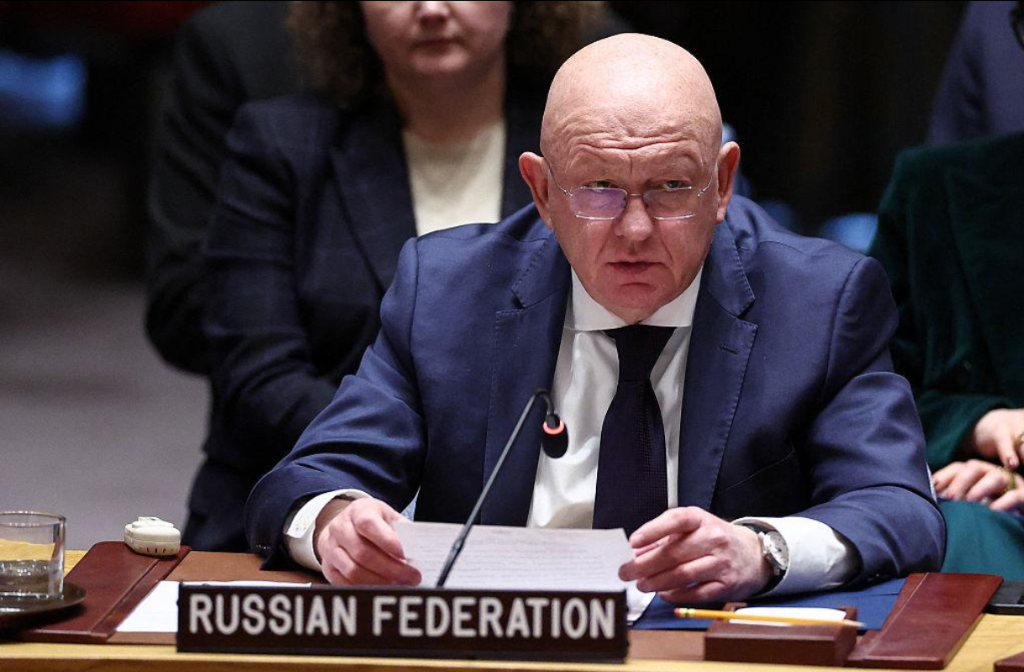
The diplomatic landscape between Russia and the United States faces a pivotal moment following the unexpected passing of Ambassador Alexei Dartshev, Moscow’s top envoy in Washington. The 66-year-old diplomat, who had held the post since March 2025, died suddenly in Moscow under circumstances initially shrouded in uncertainty.
From Ottawa to Washington: A diplomatic career defined by US-Russia relations
Dartshev’s career was deeply intertwined with Russian-American diplomacy. Before his Washington assignment, he served as Russia’s ambassador to Canada from 2014 to 2021, where he honed his expertise in navigating North American political intricacies. His earlier roles at the Russian Foreign Ministry included managing US affairs, positioning him as a key architect of Moscow’s messaging to Washington.
His March 2025 appointment came at a critical juncture, as Russia sought to reopen channels of communication with an evolving US administration. The timing—amidst the Ukraine war, Western sanctions, and strategic rivalries—made his mission uniquely challenging.
A strategically vital role in strained relations
As US-Russia relations remained fraught with distrust, Dartshev’s role was indispensable. The ambassador’s sudden death raises immediate questions about Moscow’s diplomatic continuity in Washington. Who will replace him? Will his successor signal a shift in Russia’s approach to bilateral negotiations?
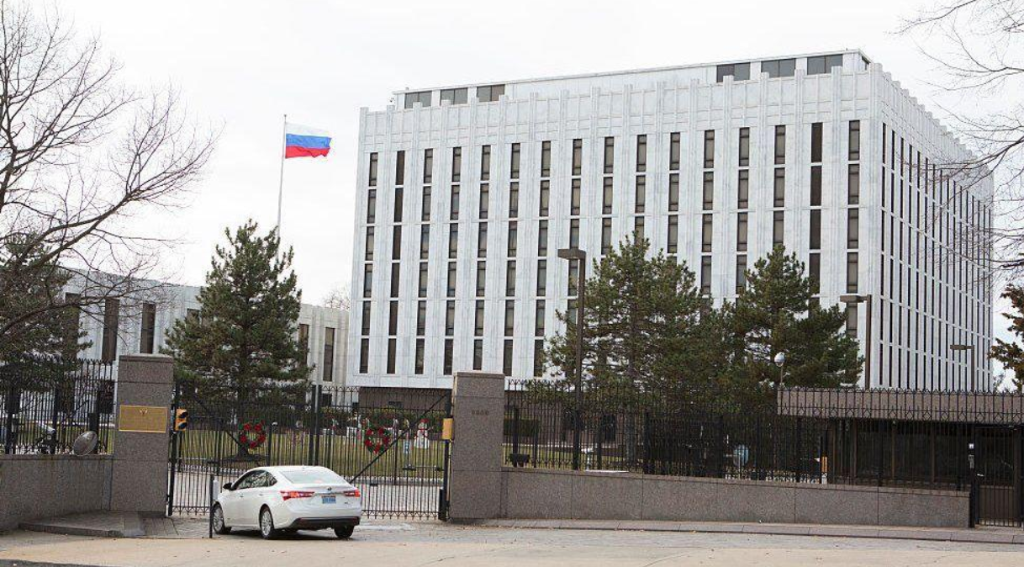
The Kremlin’s choice for the next ambassador will be closely watched. In the interim, the Russian embassy in Washington will operate under acting leadership, though the absence of a permanent envoy could temporarily disrupt delicate discussions on arms control, sanctions, and regional security.
Unanswered questions cloud the diplomat’s passing
Initially, Moscow’s Foreign Ministry provided scant details about Dartshev’s death, citing only a sudden illness. Foreign Ministry spokesperson Maria Zakharova later confirmed he died in Moscow from an unspecified chronic condition, urging the public to respect his family’s privacy.
The lack of transparency fueled speculation, but no evidence has emerged linking his death to geopolitical factors. Without further medical or investigative disclosures, the official explanation stands as the only account of the tragedy.
Why this loss matters for Russian diplomacy
Washington remains one of the world’s most watched diplomatic battlegrounds, where even adversarial nations maintain embassies to preserve communication. For Russia, the ambassador to the US is more than a symbolic figure—he is a critical voice in negotiations that shape global stability.
Dartshev’s passing occurs at a time when US-Russia tensions—fueled by nuclear posturing, cybersecurity disputes, and Cold War-era hostility—demand steady diplomatic hands. His absence leaves a void that may take time to fill, particularly if Washington and Moscow seek to revive dialogue in the coming months.
What’s next for Russian diplomacy in the US?
In the short term, the embassy will likely continue functioning under temporary leadership. Longer-term, the Kremlin faces a strategic decision: Will it appoint another seasoned diplomat to reinforce its Washington strategy, or use the vacancy to signal a new phase in its approach to US relations?
The choice could either restore momentum to stalled negotiations or deepen the fog of uncertainty already clouding US-Russia diplomacy.